
How to Diagnose a P0191 Code Like a Professional
Step-by-Step P0191 Code Diagnosis Process
Quick Summary
A P0191 code means the engine computer is detecting fuel pressure readings that don’t match its expectations. Here’s the reality from years in the shop:
• P0191 is a fuel rail pressure sensor circuit performance code, not always a bad sensor
The most common causes are:
• Failing fuel pressure sensor
• Wiring harness/connector issues
• Actual low fuel pressure
Misdiagnosis of this code is common because people
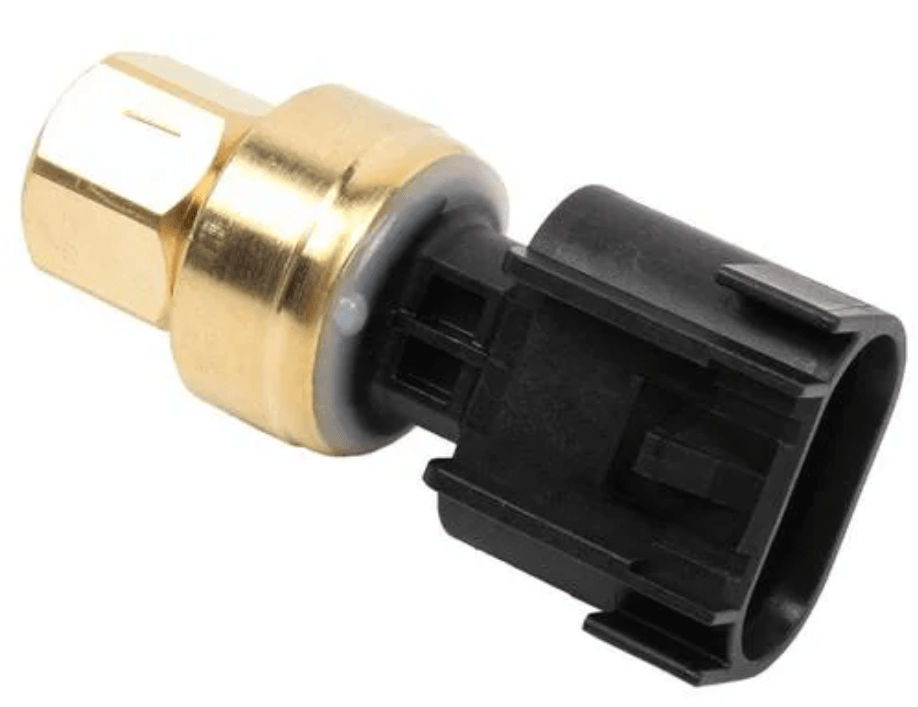
Fuel pressure sensor
automatically assume they have a sensor problem and don’t even consider wiring/connector issues or fuel delivery problems before replacing the fuel pressure sensor. To avoid that kind of mistake, you have to diagnose the actual problem by testing the system in a logical order—starting with wiring and connectors before moving on to test fuel pressure. A proper diagnosis saves you from replacing a fuel pump unnecessarily
What the P0191 Code Really Means (In Plain English)
A P0191 is defined as: P0191 Code: Fuel Rail Pressure Sensor “A” Circuit Range/Performance. In layman’s terms, it means the ECM is unhappy with the signal from the fuel rail pressure sensor.
More specifically, the computer is comparing:
• Requested and actual engine load
• RPM (which ties directly into signals from components like the crank angle sensor)
• Expected fuel pressure
And when the sensor signal doesn’t line up with those conditions, it sets the code. The most important point that DIYers miss is that this doesn’t automatically mean the fuel pressure sensor is bad.
The issue could be caused by:
• The sensor
• The wiring
• Or the actual fuel system
That distinction is everything when you diagnose it properly.
Why the Fuel Pressure Sensor Is Only Part of the Story
I’ve seen plenty of cases where someone replaced the fuel pressure sensor without doing any testing, only to have the P0191 code come right back. That’s because the sensor is just reporting what’s happening. If fuel pressure is actually low, the fuel pressure sensor is doing its job correctly.
In other words:
• The fuel pressure sensor doesn’t create the problem—it reports it.
That’s why I always verify whether the issue is electrical or mechanical before replacing anything.
The Most Common Causes of a P0191 Code (From Real Experience)
After diagnosing many of these, patterns start to emerge. A failing fuel pressure sensor is the most common cause. Over time, it can send inaccurate or unstable signals, especially under load.
Right behind that, I look at the wiring. The connector at the fuel pressure sensor sits in a harsh environment—heat, vibration, and moisture all take their toll. Corrosion or a loose connection can easily trigger a P0191 code.
Then I consider actual fuel pressure issues. A weak fuel pump might hold pressure at idle but drop under load. A clogged fuel filter can restrict flow and create the same symptoms.
Less common, but still possible:
• Faulty fuel pressure regulator
• Leaking injectors
The key is simple:
You don’t guess—you test and confirm.
How I Diagnose a P0191 Code Step-by-Step
When I diagnose a P0191 code, I follow a structured diagnostic process that eliminates guesswork.
Step 1: Perform a visual inspection — I unplug the fuel pressure sensor connector and check for corrosion, bent pins, or loose terminals. I’ll also gently move the harness to see if there’s a hidden break in the wiring.
Step 2: Check for power and ground at the fuel pressure sensor connector — With the key on, I verify that the fuel pressure sensor is receiving the correct reference voltage—typically around 5 volts—and that the ground is solid. If those aren’t correct, I know the issue isn’t the sensor itself.
Step 3: Check fuel pressure using a mechanical gauge — I connect it and measure the actual fuel pressure at the rail. This is where the real diagnosis happens.
If pressure drops under load, I’m looking at:
• A weak fuel pump
• A restricted filter
If pressure stays within spec but the P0191 code persists, the fuel pressure sensor is the likely culprit.
What Happens If You Ignore a P0191 Code
I’ve seen people ignore a P0191 code because the car still runs—and sometimes it will, at least for a while.
But eventually, the symptoms show up:
• Hard starting
• Stalling
• Poor performance
• Reduced fuel economy
If the issue is low fuel pressure, it can even lead to engine damage over time.
This isn’t a code I recommend ignoring.
How I Confirm the Repair
Once I’ve made the repair—whether it’s replacing the fuel pressure sensor, fixing wiring, or addressing a fuel system issue—I always verify the fix.
I clear the P0191 code, start the engine, and monitor live data. I’m looking for stable fuel pressure readings under all conditions.
Then I road test the vehicle. If the data stays consistent and the code doesn’t return, I know the repair is complete.
Final Thoughts on the P0191 Code
If you take one thing from this, it should be this: The P0191 code is not always a parts problem. It can be electrical or mechanical.
When you approach it correctly—checking the fuel pressure sensor, verifying wiring, and testing actual fuel pressure—you’ll fix it right the first time.
©. 2026 Rick Muscoplat
Posted on by Rick Muscoplat