
How an Electric Brake Booster Pump Works
The End of Manifold Vacuum: Why Cars Needed an Upgrade
As an automotive technician who’s spent years diagnosing modern braking systems, I’ve seen firsthand how much technology has changed. One of the biggest advancements is the electric brake booster pump.
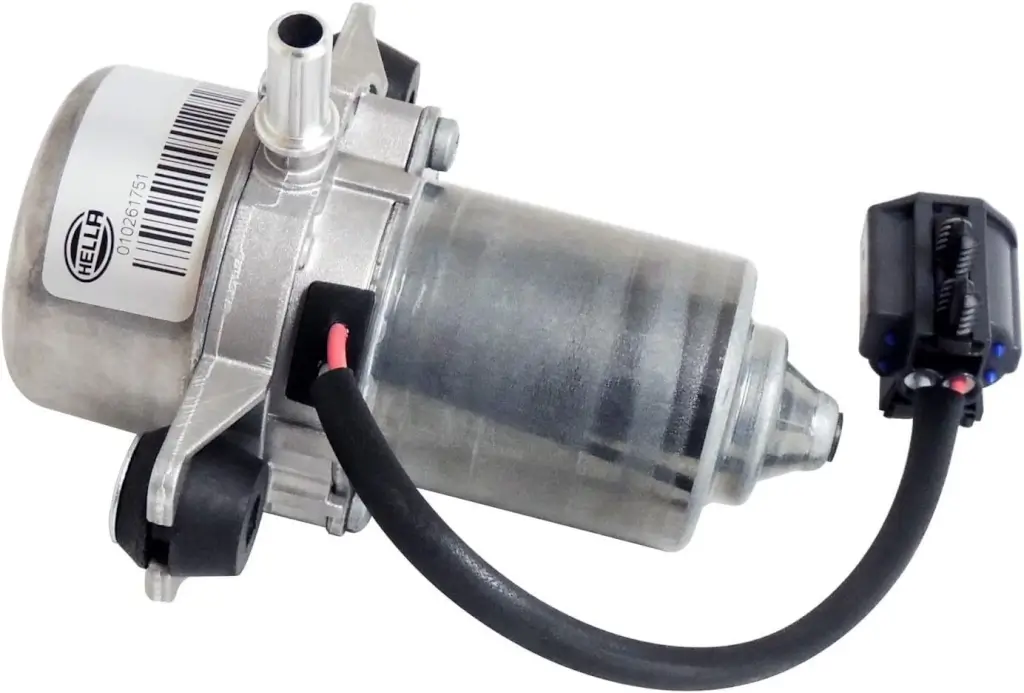
Electric brake booster vacuum pump
This small but powerful component has replaced the traditional vacuum-powered booster system that cars relied on for decades. Let me explain why this change was necessary, how the electric vacuum pump works, and what it means for your car’s braking performance.
Why Traditional Brake Boosters Need Engine Vacuum
For years, cars used manifold vacuum to assist braking. When you pressed the brake pedal, a diaphragm inside the brake booster used engine vacuum to multiply your foot pressure, increasing the hydraulic pressure to the brake calipers. It was a simple, elegant system — until engines changed.
Modern engines are smaller, more efficient, 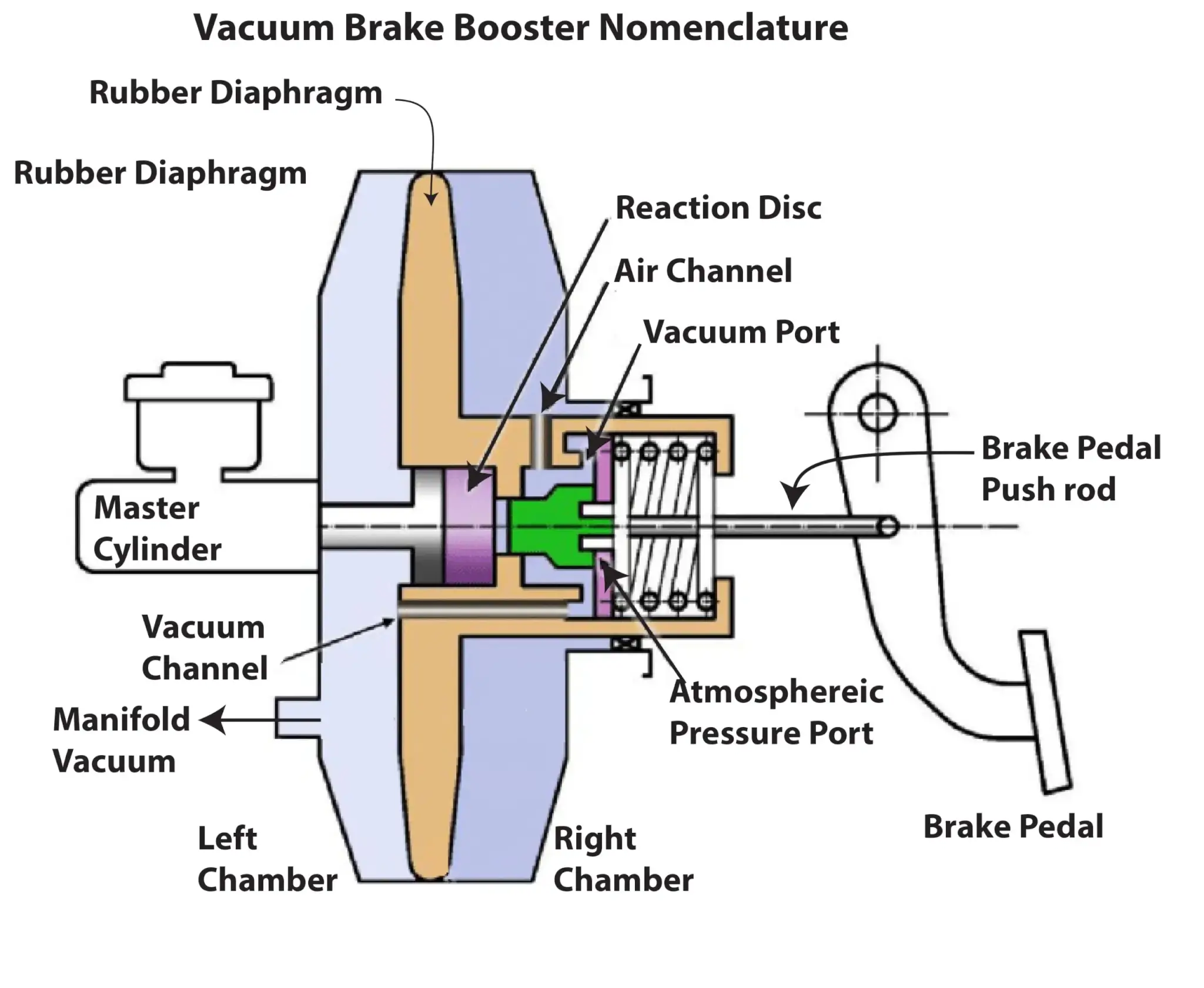 and often turbocharged. That’s great for power and fuel economy, but it means they no longer produce a strong or steady vacuum.
Turbocharged engines actually have positive pressure in the intake manifold under boost, which is the exact opposite of what a vacuum-operated brake booster needs.
To solve that problem, carmakers started adding an electric brake booster pump — a compact, self-contained electric vacuum pump that generates its own vacuum independent of the engine.
How an Electric Brake Booster Pump Works
Understanding how this system works helps explain why it’s become standard in modern vehicles. The electric brake booster pump works under the control of the vehicle’s engine control module (ECM).
Here’s the process in detail:
• A vacuum pressure sensor is mounted between the brake booster vacuum pump and the brake booster.
• The ECM continuously monitors this pressure and compares it to the brake pedal position switch.
• When vacuum pressure drops below the required level, the ECM energizes a relay that powers the electric vacuum pump.
• Once sufficient vacuum is restored, the ECM cuts power to the relay to stop the pump.
• This closed-loop system maintains the exact amount of vacuum needed for optimal brake assist without wasting electrical energy.
Here’s why carmakers have embraced the electric brake booster pump
• Stable and consistent braking — The electric vacuum pump provides the same vacuum every time you press the brake pedal, so pedal feel and braking force are uniform.
• Improved safety during engine stop — Cars equipped with start-stop systems, hybrids, or EVs need braking power even when the engine isn’t running. The electric brake booster pump ensures full braking capability at all times.
• Faster vacuum recovery — After hard braking, when the vacuum reserve is depleted, the electric vacuum pump can rebuild full vacuum pressure twice as fast as engine manifold vacuum. That translates to quicker, more confident stops.
Other Systems That Depend on Vacuum
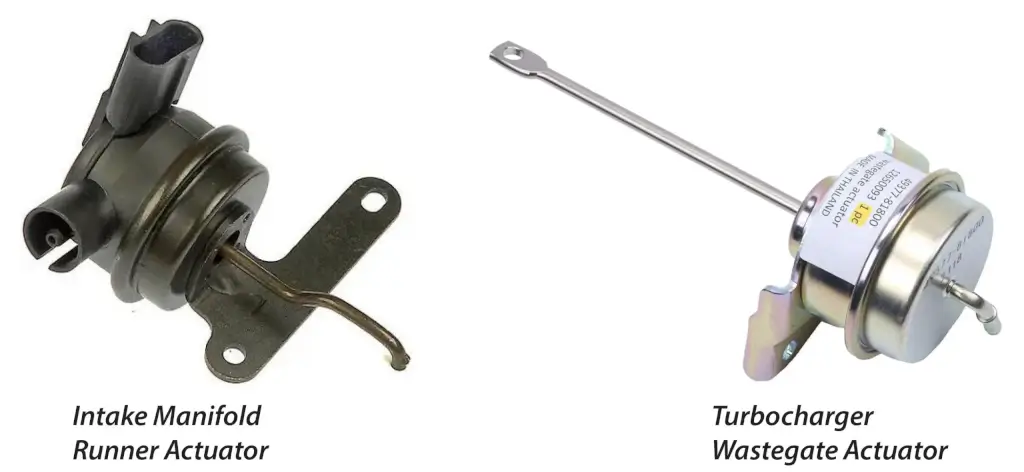
Vacuum isn’t just used for brakes. Many modern vehicles use vacuum-operated solenoids, actuators, and turbocharger wastegates. Without a reliable vacuum source, these systems wouldn’t function properly. The electric vacuum pump supplies vacuum not only to the brake booster but also to emissions controls and engine management systems that depend on precise vacuum regulation.
See this post to Learn the symptoms of a bad brake booster electric vacuum pump.
The Disadvantages of an Electric Vacuum Pump
Like any modern component, the electric brake booster pump isn’t perfect. It adds complexity and cost compared to traditional vacuum-assisted systems. There’s an electric motor, relay, sensor, and control circuitry — all potential failure points.
However, automakers accept those trade-offs because the advantages far outweigh the downsides. The system improves safety, supports hybrid and EV technology, and ensures compliance with ever-tightening emissions and fuel-efficiency standards. From my perspective, it’s a key piece of the evolution toward smarter, cleaner, and more reliable braking systems.
Find a high-performance vacuum pump at Jegs
©, 2024 Rick Muscoplat
Posted on by Rick Muscoplat