
Bad Brake Booster Vacuum Pump Symptoms
Learn the most common symptoms of a bad brake booster vacuum pump
Carmakers use a brake booster electric vacuum pump to supply vacuum to operate the brake booster on vehicles with small displacement engines or engines equipped with a turbocharger. A bad electric brake booster vacuum pump can fail in predictable ways. Here’s a list of the most common booster vacuum pump symptoms
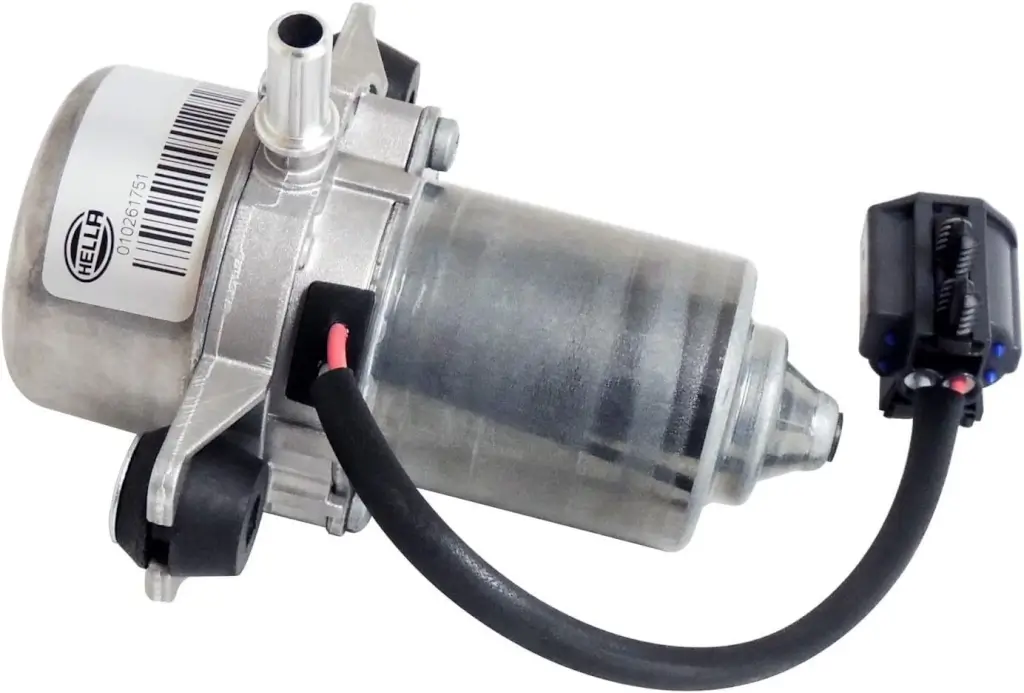
brake booster electric vacuum pump
A stiff brake pedal is the most common symptom
One of the first symptoms of a potential problem with the brake booster vacuum pump is a stiff brake pedal. The brake booster vacuum pump supplies the vacuum required for the power brake booster to work. If it fails or has a problem, the vehicle will be left without assisted braking. Without the brake booster, the brake pedal will be stiff and will require considerably more effort to stop the vehicle.
Intermittent power brakes
A less common symptom is intermittent power brakes. This can be caused by a vacuum leak in the hose, overheating, and shutdown of the pump, a stuck power relay, a faulty vacuum pressure switch, or a wiring harness issue. Most pumps are designed to run continuously to provide a constant supply of vacuum so that the power brakes will work at all times.
Oil leaks from the electric vacuum pump
The pump is permanently lubricated. Any leak is a sign of impending pump failure and must be addressed quickly.
What causes brake booster electric vacuum pump failures
Contamination or Corrosion — The pump can fail if contaminants such as dirt, debris, or moisture enter the system. Contamination can damage the pump’s internal components, affecting its performance. Regular maintenance and cleaning can help prevent this.
Pressure switch failure — The vacuum pressure switch is installed between the vacuum pump and the vacuum brake booster. If it fails, the ECM can’t determine how much vacuum is in the line and will set a trouble code.
Electrical Issues —A faulty motor, wiring issues, or a malfunctioning relay causes pump failure.
Overheating — Electric vacuum pumps can overheat if they are subjected to excessive use or if there is insufficient cooling. This can lead to damage to the motor or other internal components. Ensure that the pump is properly cooled and that there are no obstructions to airflow around the pump.
Seal Leaks — Leaks in the seals of the vacuum pump can result in a loss of vacuum pressure. This can be caused by wear and tear over time. Regular inspection of seals and prompt replacement, when needed, can prevent this issue.
©, 2024 Rick Muscoplat
Posted on by Rick Muscoplat