
How to Fix a P1456 Code Without Guesswork
What Causes a P1456 Code in the EVAP System
Quick Read
A P1456 code means your vehicle has detected a leak in the EVAP (evaporative emissions) system. Most of the time, the cause is minor—like a gas cap that isn’t sealing, a cracked vapor hose, or a stuck purge or vent valve. The key to fixing a P1456 code is understanding how the EVAP system tests itself and then checking the most failure-prone components in the right order before replacing expensive parts.
Article
P1456 Code: What It Means, Why It Happens, and How to Fix It
When the check engine light comes on, and a scan tool shows a P1456 code, most drivers immediately worry about fuel leaks or major engine problems. The good news is that a P1456 code has nothing to do with engine performance or drivability. The bad news is that EVAP leaks can be tedious to track down if you don’t understand how the system works.
I’ve diagnosed more EVAP faults than I can count, and fixing a P1456 code is almost always about patience and process—not guesswork. Let’s break it down the right way.
A P1456 code means the engine computer has detected a leak in that closed system. In other words, the system was supposed to hold a vacuum, but it couldn’t. The computer doesn’t know where the leak is—it only knows that the system didn’t seal properly.
How the EVAP System Knows There’s a Leak
After refueling and during certain driving conditions, the engine computer runs an automatic leak test. The exact sequence varies by manufacturer, but the logic is the same.
The computer opens the purge valve and vent valve so engine vacuum can pull fuel vapors out of the charcoal canister. You’ll often see a brief RPM change during this phase. Once the canister is purged, the vent valve closes while the purge valve remains open, placing the entire fuel and EVAP system under vacuum. Then the purge valve closes as well.
At that point, the computer watches the fuel tank pressure sensor. If the vacuum decays too quickly, the computer knows there’s a leak. How fast that vacuum drops tells it whether the leak is small or large. When the decay exceeds the allowable threshold, the P1456 code is stored.
Understanding this process is critical if you want to fix a P1456 code efficiently.
Symptoms You’ll Notice With a P1456 Code
In most cases, the only obvious symptom is the check engine light. Occasionally, you may notice a faint fuel odor around the vehicle, especially near the rear or after refueling. The engine will usually run perfectly fine, which is why many drivers ignore the problem until inspection time.
The Most Common Causes of a P1456 Code
In real-world repairs, I find that most P1456 code complaints are due to minor, inexpensive issues.
A loose, missing, or damaged gas cap is by far the most common culprit. Even a slightly hardened or nicked O-ring can prevent the system from sealing. Rust or debris on the fuel filler neck can create the same problem, even if the cap itself is new.
Stuck-open purge valves and vent valves are another frequent cause. If either valve fails to close when commanded, the system can’t hold vacuum. Cracked or brittle vapor hoses—especially near the charcoal canister or vent valve—are also prime suspects, particularly on older vehicles or those driven in harsh climates.
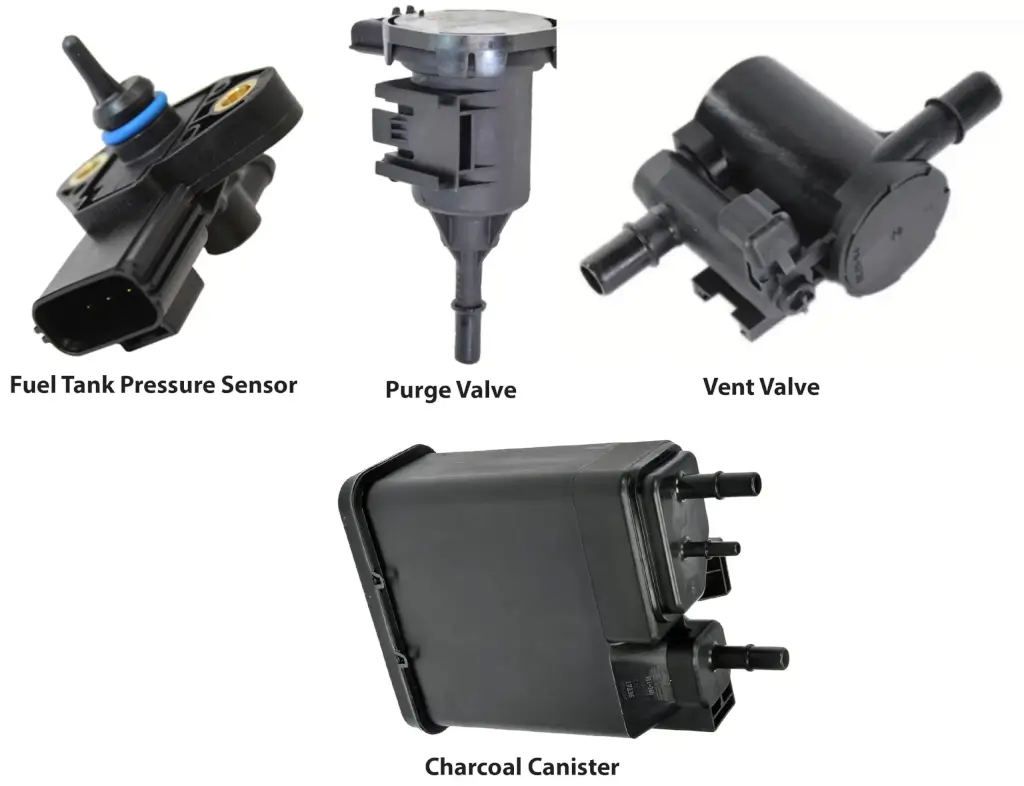
More expensive causes do exist, but they’re far less common. A cracked charcoal canister can allow air to enter the system, and, in severe cases, charcoal pellets can migrate into the vapor lines, damaging the purge valve. Fuel tank pressure sensors can fail internally, reporting false leak data. In rare cases, the fuel tank itself may be cracked or leaking at a seam.
More expensive causes
• Damaged charcoal canister that’s allowing air into the system. In a worst case scenario where the charcoal container is breached, charcoal particles can spread through the vapor hose and clog the purge valve.
• Leaking or damaged fuel tank pressure sensor
• Leaking fuel tank
How I Diagnose a P1456 Code
Professional shops use nitrogen-fed EVAP smoke machines and high-intensity lighting to safely locate leaks. Because fuel vapors are explosive, standard smoke machines aren’t suitable. That puts DIYers at a disadvantage—but not out of options.
When I’m diagnosing a P1456 code without a smoke machine, I start with the basics and work methodically.
First, I inspect the gas cap closely, focusing on the rubber seal. Any flattening, cracking, or shiny wear marks are enough to justify replacement. I also inspect the filler neck flange for rust. Light rust can be removed with fine-grit sandpaper after stuffing the neck with a rag to keep debris out of the tank.
Next, I follow every vapor hose from the tank to the charcoal canister, then forward to the purge valve and vent valve. Small cracks often hide near hose bends or connection points.
If everything looks intact, I move on to valve testing. Using a handheld vacuum pump, I check whether the purge valve and vent valve hold vacuum when they’re supposed to be closed. If they don’t, they’re leaking internally and need replacement. I also apply power and ground to confirm that the valves open and close properly.
If I find charcoal particles inside the purge valve or hoses, that’s a dead giveaway that the charcoal canister has failed. In that case, fixing a P1456 code requires replacing the canister, flushing the lines, and installing a new purge valve to prevent repeat failure.
The Right Way to Fix a P1456 Code
The smartest way to fix a P1456 code is to start cheap and simple, then work your way up. Replace or reseat the gas cap, clear the code, and drive the vehicle through a few warm-up cycles. If the code returns, move on to hose inspection and valve testing.
What I don’t recommend is firing the parts cannon. Randomly replacing EVAP components gets expensive fast and often doesn’t solve the problem. EVAP systems are simple in concept but picky about sealing, which is why methodical testing matters.
Final Thoughts on the P1456 Code
A P1456 code is rarely an emergency, but it’s not something you should ignore forever. Left unresolved, it can cause failed emissions tests and persistent warning lights. The good news is that most repairs are straightforward once you understand how the system tests itself.
If you approach the problem logically, fixing a P1456 code is well within reach for an experienced DIYer—and even faster for a shop that knows EVAP diagnostics.
© 2012 Rick Muscoplat
Posted on by Rick Muscoplat