
How to Remove a Stripped Lug Nut
Stripped Lug Nut Removal: What Works and What Makes It Worse
Quick Summary
Learning how to remove a stripped lug nut starts with identifying the real problem. In many cases, the lug nut isn’t actually stripped—it’s a chrome-capped lug nut that has swollen from corrosion. Knowing how to remove a swollen lug nut can save you time, money, and frustration. In this guide, I’ll show you the same methods I’ve used for years, including half-size sockets, lug nut removal sockets, and a simple trick that often saves even badly damaged lug nuts without damaging the wheel or wheel stud.
How to Remove a Stripped Lug Nut the Right Way
Few automotive repairs are more frustrating than trying to remove a lug nut that refuses to cooperate. I’ve seen plenty of DIYers reach for bigger breaker bars, longer pipes, or even torches before taking a minute to figure out why the lug nut won’t come off.
That’s almost always the wrong approach.
Before you start forcing anything, spend a minute diagnosing the problem. The solution depends on whether you’re dealing with:
• A rounded or stripped lug nut
• A swollen chrome-capped lug nut
• A rusted lug nut
• A locking lug nut with a missing key
• Cross-threaded or seized wheel studs
Once you know which problem you’re facing, the repair usually becomes much easier.
Is It Really a Stripped Lug Nut?
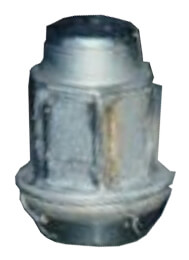
One of the biggest misconceptions I see is that
Stripped lug nut cap
every lug nut that won’t come off is “stripped.”
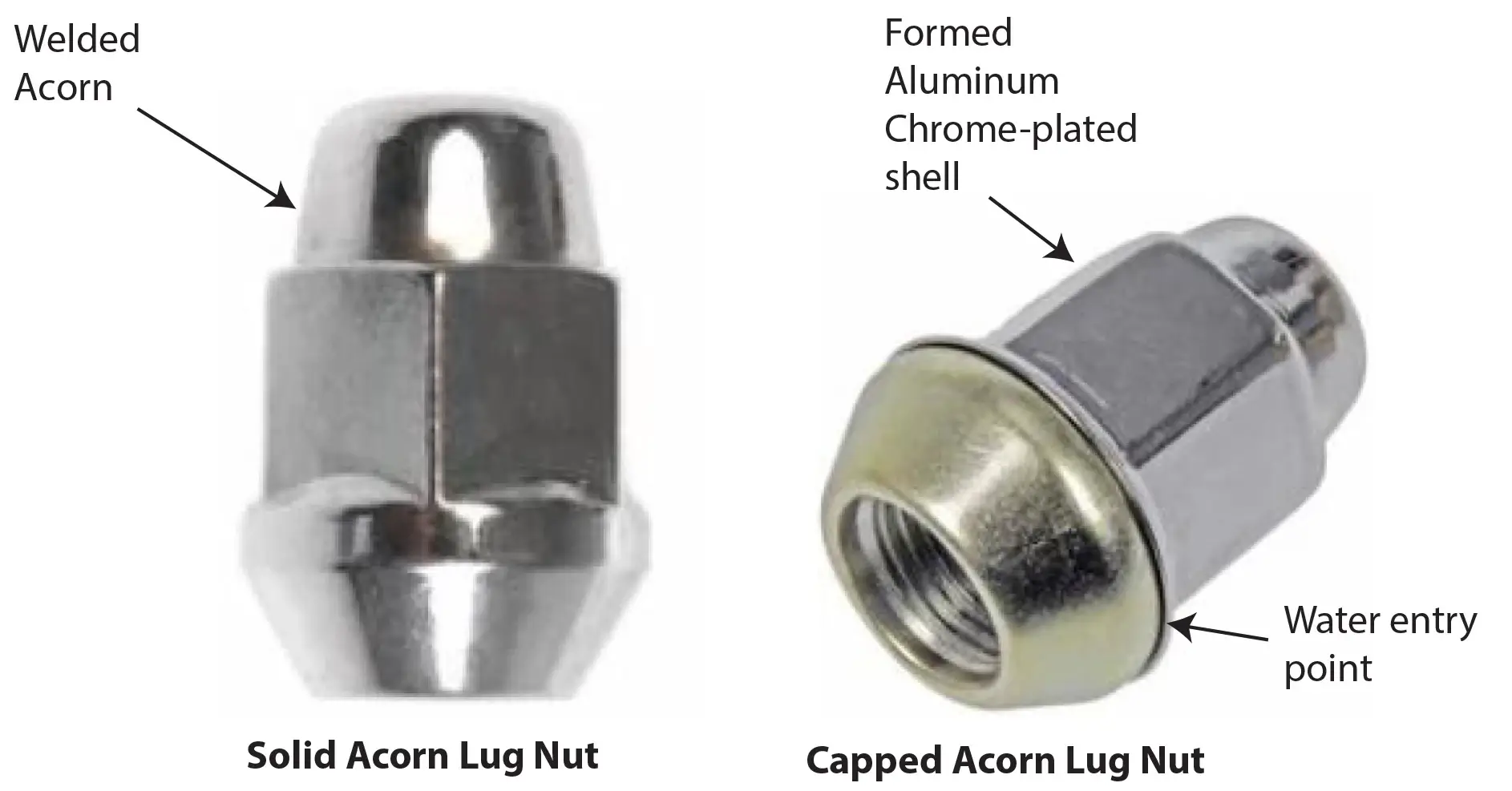
In reality, many late-model vehicles use decorative chrome-capped lug nuts. These lug nuts have a thin chrome shell pressed over a steel core.
Over time:
• Moisture gets under the cap.
• Rust develops on the steel.
• The steel expands.
• The chrome cap swells outward.
Now your 19 mm lug nut may measure 19.5 mm—or even larger. A standard socket no longer fits correctly, slips, and rounds off the chrome cap.
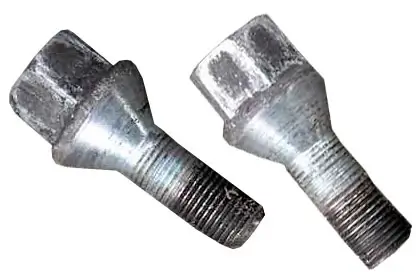
These aren’t capped lug bolts. They’re just regular, solid steel lug bolts that are rounded over
This is why knowing how to remove a swollen lug nut is just as important as knowing how to remove a stripped one.
Method 1: Use a Half-Size Socket
This is my first choice whenever I suspect a swollen chrome cap. Manufacturers now sell half-size impact sockets specifically for this problem.
For example:
• 19 mm swollen lug nut → 19.5 mm socket
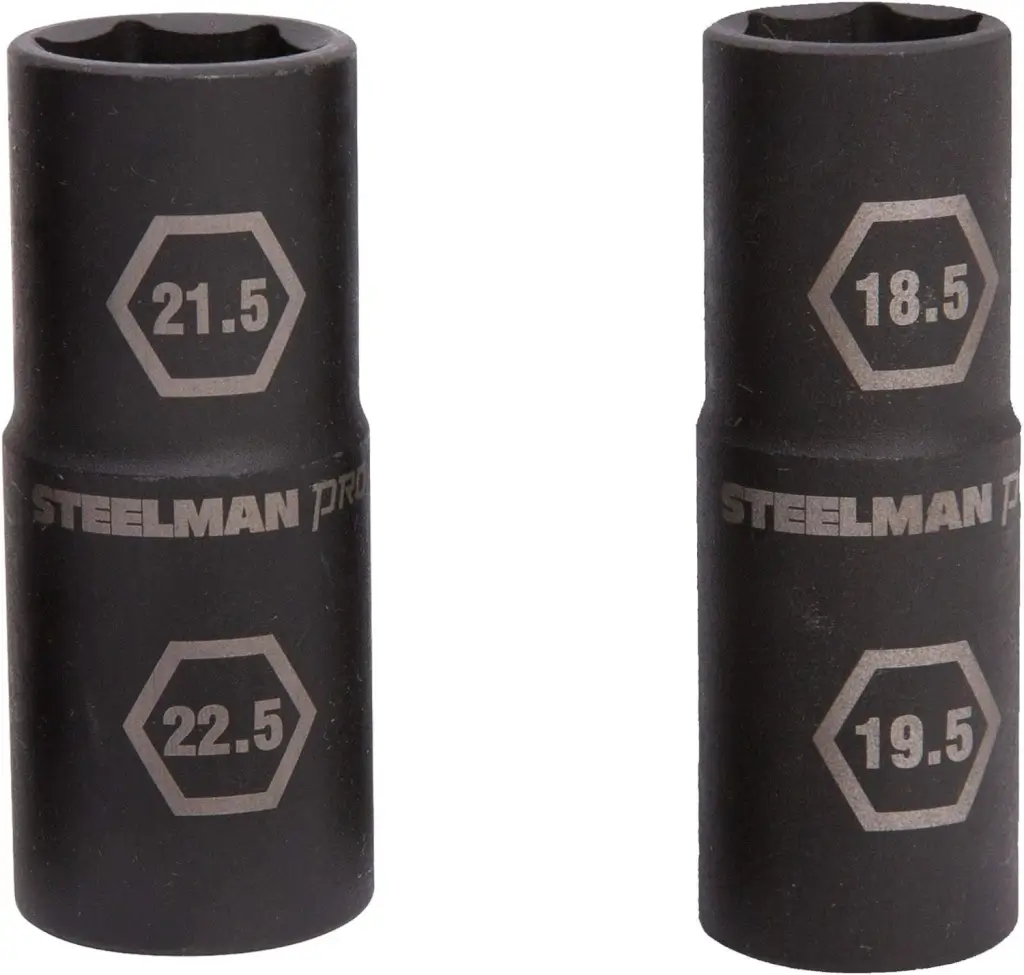
Steelman Pro 1/2-Inch Drive 6-Point Thin Wall Double Ended Impact Flip Socket Bundle, 18.5mm x 19.5mm and 21.5mm x 22.5mm Sizes
• 21 mm swollen lug nut → 21.5 mm socket
• 22 mm swollen lug nut → 22.5 mm socket
These sockets fit the swollen cap tightly without damaging the wheel.
If you work on newer Ford, Chrysler, Jeep, Dodge, or GM vehicles, a half-size socket can quickly pay for itself.
Method 2: Try an SAE or Metric Socket
Sometimes all you need is a slightly tighter fit. If the lug nut is rounded but not badly damaged:
Try the nearest SAE socket on a metric lug nut.
Or try the nearest metric socket on an SAE lug nut.
Occasionally, the slight size difference provides enough grip to remove the lug nut.
If the socket slips even once, stop. Every attempt rounds the corners a little more.
Method 3: Use a Reverse Spiral Lug Nut Removal Socket
If the lug nut is badly rounded, this is usually the best solution.
Reverse spiral extraction sockets are designed with hardened internal flutes that bite deeper as you turn the ratchet counterclockwise.
The harder you turn, the tighter the socket grips.
These tools work well on:
• Rounded lug nuts
• Swollen lug nuts
• Rusted lug nuts
• Damaged wheel locks
• Lug bolts
Many professional technicians keep a dedicated lug nut removal kit because it works far better than locking pliers or pipe wrenches.
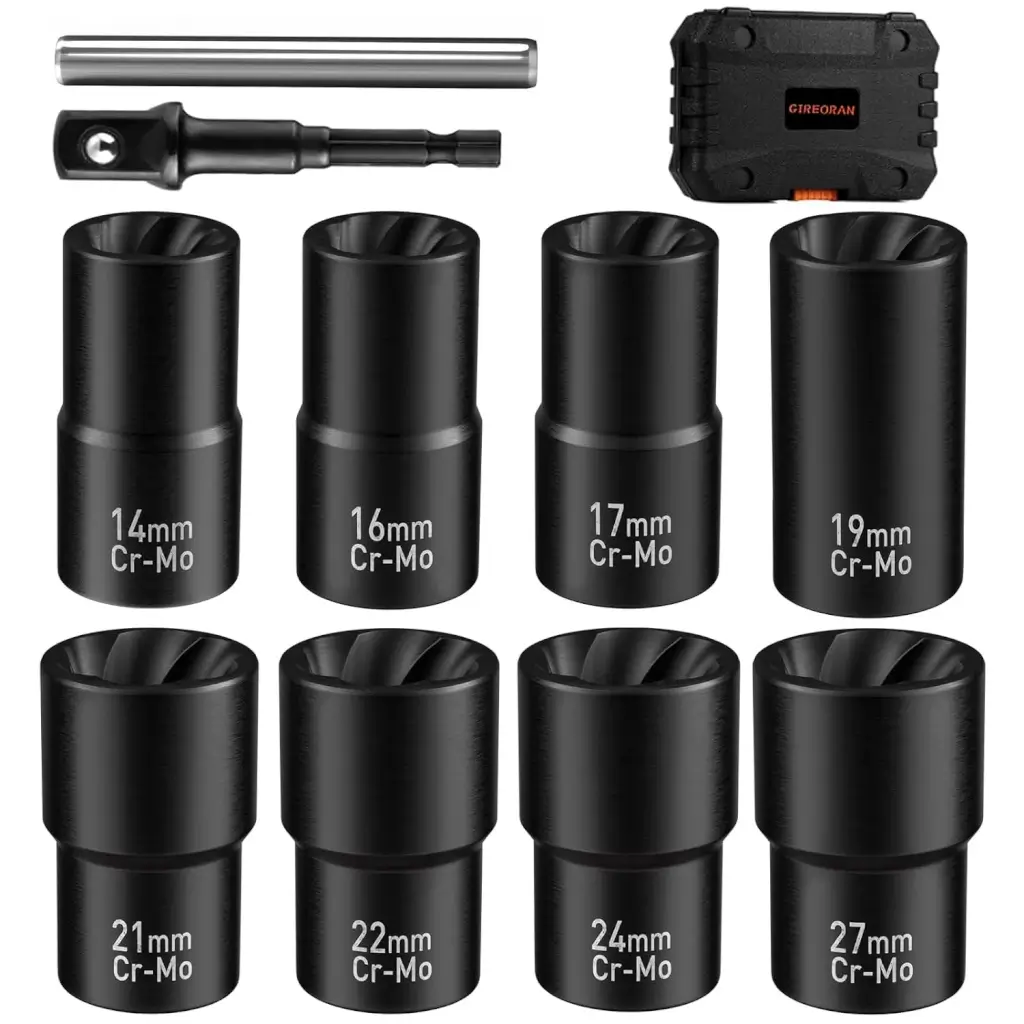
GIREORAN Wheel Lock Removal Kit, 10 Piece Lug Nut Remover, 1/2-Inch-Drive Impact Easy Out Bolt Extractor Socket Set for Removing Damaged, Frozen, Rusted, Rounded-Off Bolts, Nuts & Screws
Method 4: Remove the Chrome Cap
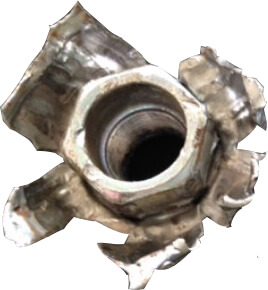
Here’s one of my favorite tricks. If the lug nut
Find a perfectly good lug nut under the decorative cap.
has a swollen decorative cap, don’t fight it. Remove the cap instead.
Using a small cold chisel and hammer, carefully split the thin chrome shell and peel it away. Once it’s removed, you’ll usually expose the original steel lug nut underneath. The steel nut often has sharp, undamaged corners that accept a normal socket.
I’ve saved countless wheel studs—and customers hundreds of dollars—using this simple technique.
Method 5: Removing a Locking Lug Nut Without the Key
Lost wheel lock keys are another common problem. Several manufacturers now offer locking lug nut removal sockets that grip the outside of the lock using reverse threads or spiral flutes. These sockets usually remove the lock without damaging the wheel.
If the wheel lock is extremely expensive or the wheels are custom finished, consider having a tire shop remove it to avoid cosmetic damage.
Don’t Make These Common Mistakes
When people get frustrated, they often make the problem worse.
Avoid these mistakes:
• Using a 12-point socket instead of a 6-point socket
• Using chrome hand sockets with an impact wrench
• Heating aluminum wheels with a torch
• Continuing after the socket slips
• Hammering excessively on expensive alloy wheels
• Using locking pliers that round the lug nut further
Taking a few extra minutes usually prevents broken wheel studs or damaged wheels.
Prevent Swollen Lug Nuts in the Future
Many factory chrome-capped lug nuts eventually fail. Whenever I replace tires or brakes on a vehicle with swollen lug nuts, I recommend using solid one-piece lug nuts.
Solid lug nuts:
Don’t swell
Resist corrosion better
Accept sockets properly
Last much longer
Make roadside tire changes easier
Although they cost a little more initially, they eliminate one of the most common headaches in wheel service.
When Should You Replace the Wheel Stud?
Sometimes the lug nut isn’t the only damaged part.
Replace the wheel stud if:
• Threads are stripped.
• Threads are stretched.
• The stud bends during removal.
• Cross-threading is visible.
• The stud spins inside the hub.
Installing a new lug nut on a damaged stud almost guarantees future problems.
Final Thoughts
Over the years, I’ve learned that patience beats brute force almost every time. Before grabbing the biggest breaker bar you own, determine whether you’re dealing with a rounded lug nut, a swollen chrome cap, or a locking lug nut. The right tool—a half-size socket, a reverse spiral extractor, or simply removing the chrome cap—can turn an impossible job into a five-minute repair.
If you remember one thing, let it be this: stop forcing the wrong socket onto a damaged lug nut. Diagnosing the problem first is the fastest and safest way to remove it without damaging the wheel or breaking a wheel stud.
©, 2012 Rick Muscoplat
Posted on by Rick Muscoplat