
The Right Way to Handle Fuel Pump Replacement
Fuel Pump Replacement: What Every Car Owner Should Know
Quick Summary
A proper fuel pump replacement almost always means replacing the entire in-tank pump and sending unit module assembly, not just the pump motor. Cutting corners, running the tank low, or skipping tank cleaning are the fastest ways to destroy a new pump. When done right, a fuel pump replacement restores fuel pressure, drivability, and reliability for the long haul.
Article
Fuel Pump Replacement and Fuel Sending Unit Replacement—What Really Makes Sense
On modern fuel-injected vehicles, the fuel pump is located inside the gas tank. There are no exceptions. Carmakers moved pumps into the tank decades ago for cooling, noise reduction, and longevity reasons—and that decision affects how replacement should be handled today.
Why Fuel Pump Replacement Almost Always Means Replacing the Entire Assembly
I’m often asked whether it’s really necessary to replace the whole
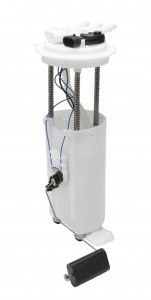
Fuel Pump Assembly with Fuel Level Sending Unit
fuel pump module assembly when only the fuel gauge sender has failed. Technically, no—you can disassemble the module and replace just the sending unit. Practically speaking, it’s a bad idea.
The fuel pump, pulse dampener, and sender are all mounted to the same plastic frame. To replace the sender alone, you have to disconnect the fuel lines, disturb the sealing rings, and reuse O-rings that are often 10 or more years old. Those seals are rarely available separately from the dealer, and if one leaks after reassembly, the tank must be lowered.
From a shop’s perspective, the risk isn’t worth it. Labor for a fuel pump replacement often runs close to three hours. If the pump fails shortly after replacing just the sender—or if a seal seeps—you’ll be right back at the service counter blaming the repair. That’s why professional shops replace the entire module every time. Frankly, I do the same thing.
Dropping the Tank and Why Fuel Level Matters
On vehicles without an access panel under the rear seat or cargo area, the fuel tank has to be lowered to perform a fuel pump replacement. When that’s the case, I always recommend draining as much fuel as possible first. Lowering a tank that’s half full means wrestling with 60 to 80 pounds of sloshing gasoline, and that’s both unsafe and unnecessary.
If you’re planning, schedule your fuel pump replacement when the tank is nearly empty—but not because driving on empty is suitable for the pump, quite the opposite.
The #1 Reason Fuel Pumps Fail—and Why It’s Self-Inflicted
Fuel pumps live inside the tank for one reason: gasoline cools the electric motor. When you habitually drive with the fuel gauge hovering near empty, you’re depriving the pump of its cooling source. I’ve seen countless pumps fail early simply because the owner treated “empty” as a normal operating condition.
Run the tank low often enough, and the pump overheats. Run the tank dry even once, and you risk immediate internal damage from running the pump without lubrication. Considering a typical fuel pump replacement can cost $700 to $900 installed, driving on fumes doesn’t make sense.
Why Tank Cleaning Is Critical During Fuel Pump Replacement
Here’s a mistake I see DIYers and even some shops make far too often: installing a new fuel pump without cleaning the tank. Pump manufacturers have issued service bulletins stating that a large percentage of “defective” returned pumps were actually destroyed by debris left in the tank.
Rust flakes, sediment, and degraded fuel residue get stirred up during a fuel pump replacement and are immediately sucked into the new pump. That debris chews up the pump vanes and clogs the strainer in short order.
My rule is simple. If the tank is out, it gets cleaned—or replaced. Often, a new fuel tank costs less than professional cleaning and eliminates all doubt. Skipping this step is gambling with your time and money.
Fuel Filter Replacement Is Not Optional
Whenever I perform a fuel pump replacement, I also
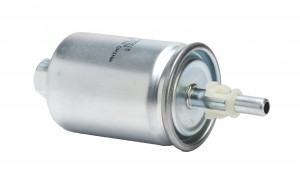
Fuel Filter
replace the fuel filter. A partially clogged filter increases pump load and heat, reducing the new unit’s service life. Installing a new pump and leaving an old filter in place is like changing an engine and reusing the old oil—it defeats the purpose.
Choosing the Right Fuel Pump Matters More Than You Think
Over the years, I’ve had consistently bad luck with cheap aftermarket fuel pumps. Noise complaints, low pressure, and premature failures are common. At this point, I stick with genuine OEM pumps whenever possible.
The good news is you don’t always have to pay full dealer prices. For example, Ford owners can look up Motorcraft part numbers on FordParts.com, then shop with online dealers for the best price. I’ve saved hundreds of dollars doing exactly that while still installing factory-quality components.
When it comes to fuel pump replacement, the quality of the part matters just as much as the labor.
For a full step-by-step post on how to perform a fuel pump replacement, click here.
Final Thoughts on Fuel Pump Replacement
A proper fuel pump replacement isn’t just about swapping parts—it’s about understanding why pumps fail and preventing repeat failures. Replacing the entire assembly, cleaning or replacing the tank, installing a new fuel filter, and using a quality OEM pump are the differences between a one-time repair and doing the job twice.
When done correctly, a fuel pump replacement restores proper fuel pressure, smooth acceleration, and long-term reliability. When done correctly, a fuel pump replacement restores proper fuel pressure, smooth acceleration, and long-term reliability. Done cheaply, it becomes an expensive lesson.
© 2012 Rick Muscoplat
Posted on by Rick Muscoplat