
What Dash Warning Lights Mean & What To Do
What To Do If a Dashboard Warning Light Comes On in Your Car (Ultimate List)
Quick Summary
Your dashboard contains warning icons that are part of your car’s early-warning system. They’re telling you something is wrong—sometimes minor, sometimes catastrophic. Understanding what car warning lights mean and knowing what to do when one comes on can prevent breakdowns, avoid thousands of dollars in damage, and keep you safe on the road. In this article, I’ll break down the most common lights, what each one means, and exactly how to respond.
Article
Over several decades as a diagnostic technician, I’ve learned one undeniable truth: some dashboard warning lights mean “check this soon,” while others mean “stop RIGHT NOW before you destroy something expensive.” The challenge for most drivers is knowing which is which.
Below is the professional, no-nonsense breakdown I give to customers when they ask whether a warning light is serious enough to pull over and call a tow truck.
The Rule of Thumb: Red Means STOP, Flashing Means STOP, Yellow Means CHECK SOON
Dashboard lights generally follow a universal severity pattern:
• Red light — Red means the car is warning you  of imminent mechanical damage or safety failure. You’ll see a RED warning light for a brake or charging system problem. If you ignore a solid red light for brakes or the charging system, you’ll soon have no brakes and your battery will die, leaving you stranded.
• Flashing yellow —A flashing yellow check engine light means the engine is suffering from misfire conditions
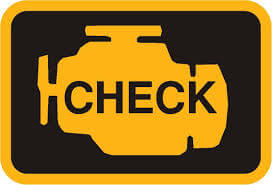
A check engine light indicates that trouble codes are stored in the computer. A flashing check engine light means the engine is experiencing a serious misfire that could damage your expensive catalytic converter.
that are serious enough to damage the expensive catalytic converter in your car. The light flashes most often when the engine is under heavy load and a misfire is present. If the light stops flashing as you back off the accelerator and you can drive the car in with light acceleration, you can continue to drive, but only to get it to a shop. If the flashing doesn’t stop, pull over immediately and call a tow truck. The tow will cost a fraction of a new catalytic converter.
• Solid yellow — Proceed with caution and schedule service. Solid yellow means a fault is present but not yet catastrophic.
This rule solves 90% of confusion—but you still need to know which red and yellow lights matter most.
What does an oil can dash warning light mean
The oil light will automatically illuminate when you turn your key to the RUN position. This confirms that the bulb works. However, once the engine starts and reaches the proper oil pressure, the oil light should shut off.
Most new drivers think this warning just means you’re 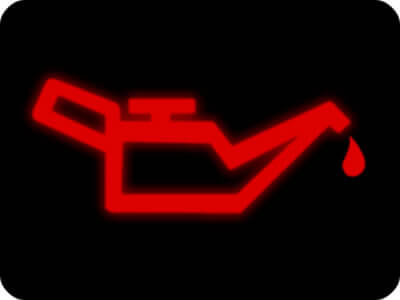 low on oil. Wrong. The vast majority of cars and trucks aren’t equipped with an oil level sensor. But all engines are equipped with an oil pressure sensor and an oil pressure warning light or oil pressure gauge.
If your oil light comes on, it means your oil pressure is dangerously low. If you continue to drive with low oil pressure, you can destroy your engine, which could easily cost $5,000 or more.
What to do if your Oil Warning Light comes on
Pull over immediately, and shut off your engine. If you’re on the highway, turn on your hazard lights and pull over to a safe place on the shoulder. Pop the hood and check the oil level on the oil dipstick. If the oil is in the safe zone, then you’ve got a serious oil pressure problem and you need a tow truck. Do not drive to the next exit. Driving even a short distance with no oil pressure can permanently damage your engine.

If there’s no oil on the dipstick, add more. If the oil on the dipstick is between the low and full markings but the oil light is on, call a tow truck.
However, if the dipstick shows you’re seriously low on oil, call a friend to bring oil to your location. Again, don’t drive when you’re low on oil. If the light is still on after adding oil, call a tow truck.
Engine hot light or gauge
Your vehicle’s cooling system keeps your engine
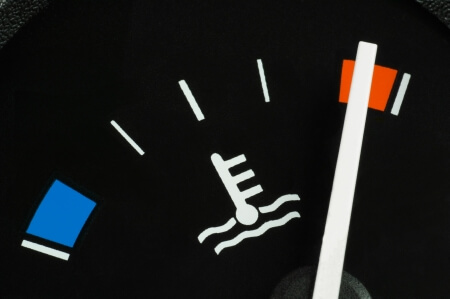
If your car overheats, pull over and call a tow truck
at a safe operating temperature. If something fails in the cooling system, like a leak or a water pump failure, your engine can reach temperatures high enough to cause major damage.
If your engine’s hot light comes on, pull over immediately and shut off your engine. If you’re on the highway, turn on your hazard lights and pull over to a safe place on the shoulder. Then call for a tow. Do not drive to the next exit. Driving even a short distance with no oil pressure can permanently damage your engine, costing thousands to repair.
Traction control/stability control dash warning light
The traction control/stability control light will automatically illuminate for a few seconds every time you start your engine to verify that the bulb works. Once the computer completes its internal checks, the traction control will shut off.
Late-model vehicles are equipped with a traction control/stability system that cuts engine power to slipping wheels to improve traction. The light will come on any time the traction control system operates. So you’ll see it flicker when taking off from a stop in slick or snowy conditions or when accelerating on slick pavement.
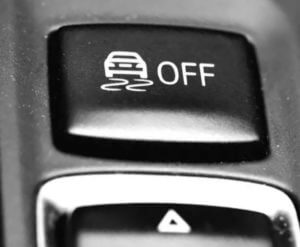
Traction control switch
However, there are some conditions where you don’t want the traction control system to operate. Traction control can actually prevent you from driving out of a ditch because it senses wheel slip and reduces the power needed to drive out. In those cases, locate the TCS button and temporarily turn off traction control. That will help you accelerate out of a ditch or away from a stop sign in snowy conditions. The traction control will automatically reset to the ON position the next time you start your car.
TPMS dash warning light
The TPMS light will automatically illuminate for a few seconds each time you start your engine to confirm that the bulb works. 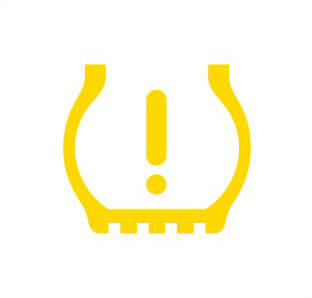 Once the TPMS system completes its internal checks, the TPMS light will shut off.
A tire pressure monitoring system (TPMS) light means the TPMS system has detected severely low tire pressure (at least 20% below the recommended pressure) in at least one tire. Driving with a tire low on pressure can cause it to fail. If that failure happens at highway speeds, it can blow apart, causing you to lose control of the vehicle. If the TPMS light comes on while you’re driving, check and refill your tires at the nearest service station.
If your TPMS Light flashes for 30–90 seconds, then stays solid
It means the TPMS module can’t properly read one or more of the tire-pressure sensors because of:
• A dead TPMS sensor battery (most common)
• A damaged or corroded sensor
• A sensor that wasn’t relearned after tire replacement
• Incorrect wheels installed (wrong frequency sensors)
• A failed TPMS module
• Sensor communication interference
This flashing pattern tells you “the system is broken—NOT that the tires are low”.
Airbag (SRS) dash warning light
The airbag/SRS light will automatically illuminate for a few seconds each time you start your engine to verify that the bulb works. Once the airbag system completes its internal checks, the airbag/SRS light will shut off.
An airbag/SRS (supplemental restraint system) light  indicates that the airbag computer has detected a fault in the system and shut down the airbag system. You can continue to drive while this light is on, but you won’t have any airbag protection in the event of a crash.
Get the vehicle to a shop for diagnosis and repair as soon as possible to restore this critical safety system.
ABS dash warning light
The ABS light will automatically illuminate for a few seconds each time you start your engine to confirm that the bulb works. Once the ABS computer completes its internal checks, the ABS light will shut off.
The antilock brake warning light comes on 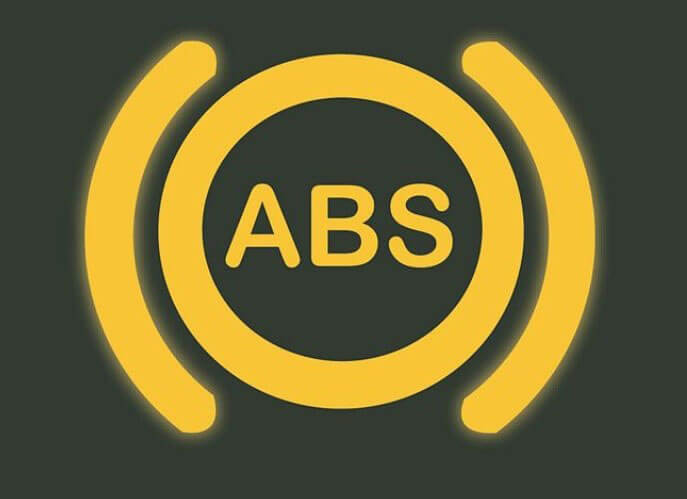 any time your ABS activates during a stop. However, if the ABS light stays on, there’s a problem with the antilock braking system. You can continue to drive, but you will not have antilock braking. Get the vehicle to a shop for diagnosis and repair as soon as possible to restore this vital feature.
©, 2020 Rick Muscoplat, Alex Steil
Posted on by Rick Muscoplat