
What to Do If Your Car Is Flooded (Step-by-Step Guide)
Flooded Car Fix: Immediate Actions That Can Save Your Vehicle
Quick Summary (Read This First)
If your car is flooded, what you do in the first few hours determines whether it’s salvageable or junk.
Here’s the reality from experience:
• Do NOT start the engine — this is how engines get destroyed instantly
• Disconnect the battery immediately to prevent electrical damage
• Call insurance first if you have coverage
• Strip and dry the interior fast to prevent mold and corrosion
• Check for water in the engine and fluids before cranking
Delay, shortcuts, or curiosity (“let me see if it starts”) will turn a repairable car into a total loss almost every time.
What to Do If Your Car Is Flooded (My Professional Step-by-Step)
The biggest mistake I see is people trying to start a flooded car. That one move can:
• Hydrolock the engine — due to water that may have gotten sucked in the cylinders
• Destroy internal components
• Short out expensive electronics
Once that happens, you’re not fixing a flooded car—you’re replacing it.
Step 1: Do NOT Start the Engine
This is non-negotiable. Even shallow water can:
• Get sucked into the intake
• Fill cylinders
• Bend connecting rods instantly
Step 2: Disconnect the Battery Immediately
This is one of the most important first steps after your car gets flooded.
I always:
• Disconnect the negative terminal first
• Then the positive (if needed)
Why?
• Because floodwater is dirty and conductive. Leaving power connected can:
• Fry control modules
• Cause electrical shorts
• Increase fire risk
Step 3: Call Your Insurance Company First
If you have comprehensive coverage: Stop working on the car and call your insurer to file a claim
Let them:
• Arrange towing
• Assess the damage
• Decide if it’s totaled
I’ve seen people unknowingly reduce or lose claims by trying to “fix it themselves” too early.
What to Do If Your Flooded Car Isn’t Insured
If you’re handling a flooded car yourself, you’ll have to do these next steps on your own
Step 4: Strip the Interior Immediately
Floodwater doesn’t just sit on surfaces—it gets trapped deep inside.
You must remove:
• The Seats
• All of the carpet
• The carpet padding (throw it away)
• The center console (if needed)
Here’s the truth most people don’t want to hear:
No amount of vacuuming will dry carpet padding
• It WILL mold and stink later
• I’ve seen cars smell like a swamp within weeks because this step was skipped.
Step 5: Clean and Disinfect Everything
Once stripped down:
• Wash the floor pan with cleaner + disinfectant
• Rinse with clean water
• Dry completely
Floodwater contains:
• Dirt
• Oil
• Bacteria (sometimes sewage)
• If you don’t clean it properly, corrosion and odor are guaranteed.
Step 6: Dry the Wiring Harnesses (Critical Step)
This is the step most DIY skip and regret later on.
• Open wire looms where possible
• Rinse residue off the wiring
• Dry thoroughly (air + heat) from a hair dryer, not a heat gun
Why?
Because moisture hides inside:
• Splices
• Connectors
• Insulation
That leads to:
• Intermittent electrical issues
• Random warning lights
• Module failures months later
Step 7: Don’t Forget Doors and Trunk
If water reached the door sill, it’s inside:
• Door cavities
• Window regulators
• Wiring
So I:
• Remove the door trim panels
• Flush interior door areas with clean water
• Let the rinse water drain through the weep holes at the bottom of the door
The same goes for the trunk:
• Spare tire wells trap water
• Padding must come out and dry completely
Step 8: Dry the Vehicle (Don’t Rush This)
Drying is not optional—it’s the difference between success and failure.
My method:
• Windows open
• Fans running inside
• Several days minimum
If you rush this step:
• Mold grows
• Electrical problems start
• Odors become permanent
Step 9: Check Mechanical Systems BEFORE Starting
This is where professional diagnostics matter. Before I even think about starting a flooded car, I check:
Air Intake System
• Remove the air filter
• Check it for moisture
• Wet filter = possible engine water ingestion
• Engine Oil
• Look for a milky appearance
• Check for an overfill condition
Both indicate water contamination
Transmission Fluid
Water can enter through the transmission vent.
• Check fluid condition
• Flush if contaminated
Differentials & Steering Rack
• Remove plugs or inspect boots
• Look for water intrusion
Critical Step: Prevent Hydrolock
If water may have entered the engine:
• Remove the spark plugs
• Rotate the engine by hand
• Blow out any water
This step alone can save an engine
Step 10: Electronics—The Biggest Wildcard
Let me be blunt: Electronics are what usually kill a flooded car long-term
Floodwater leaves behind:
• Conductive residue
• Corrosive contaminants
Even if the car runs later, you may see:
• Random electrical issues
• Module failures
• Warning lights months later
Some techs:
• Clean modules
• Dry circuit boards
But even then, nothing is guaranteed
When a Flooded Car Isn’t Worth Saving
I always tell people this: Sometimes the smartest move is walking away. If:
• Water reached dashboard level
• Modules were submerged
• The Interior sat wet for days
The long-term issues often outweigh the value
How to remove the seats
Remove the plastic trim on the seat track rails to
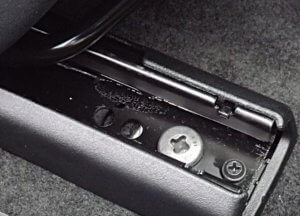
Remove the plastic trim pieces to expose the seat rail bolts
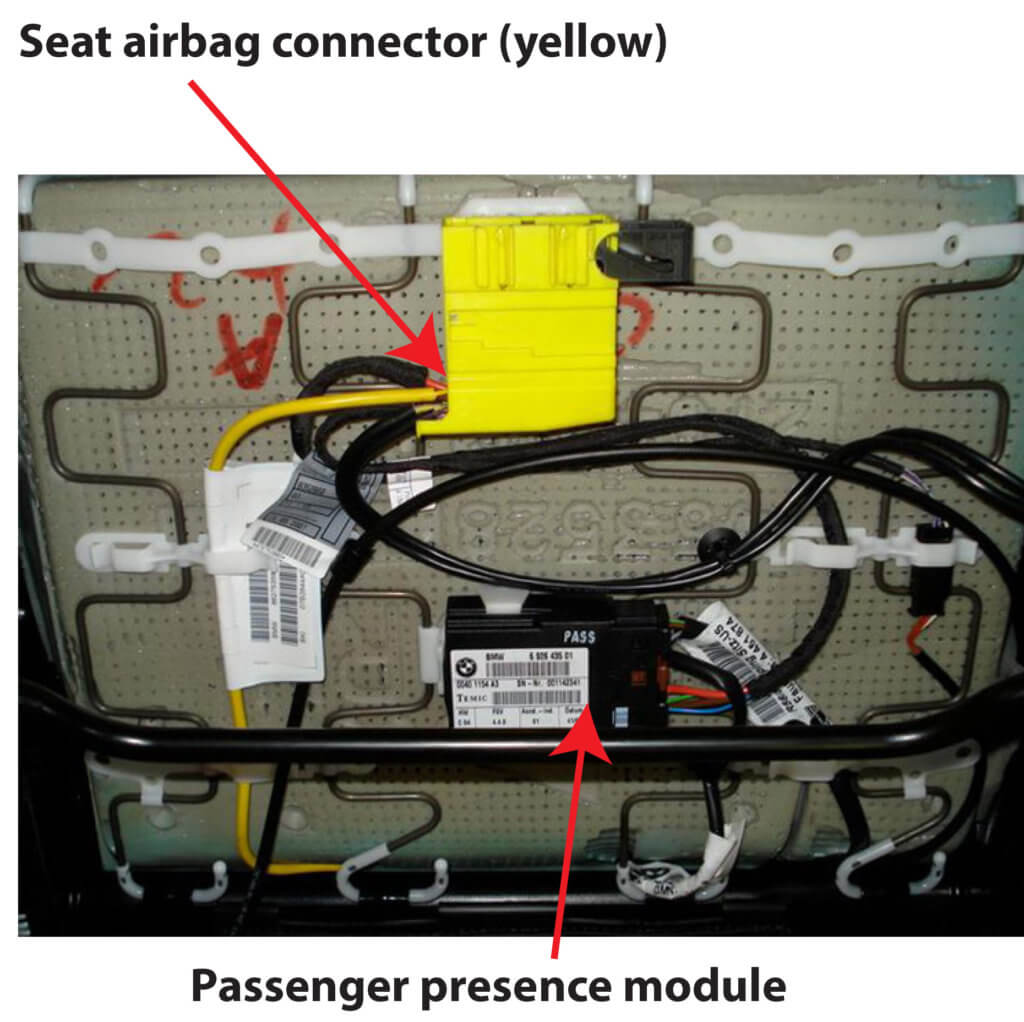
get to the seat track retainer bolts. Unbolt the seat and disconnect the airbag (if any) and seat belt sensor connectors. The airbag connectors are usually yellow and contain a locking pin. Be careful when removing and reconnecting the locking pin. Also, most late-model cars have a passenger presence sensor that tells the airbag module whether someone is seated in the passenger seat. If this module were submerged in floodwater, it must be removed, cleaned with water, and then dried. Even then, it may not work and require replacement. In addition to those two connectors, seats often contain a seatbelt sensor in the latch. If that got wet, it, too, may need to be replaced. Remove the front seats. Then, remove the rear seat cushion.
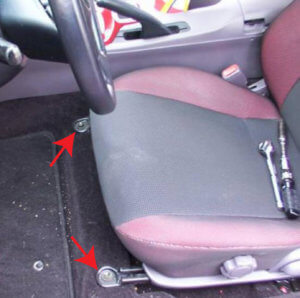
Remove the front and rear seat rail bolts. Then tilt the seat back and disconnect the electrical connectors.
 How to Remove the carpet and padding
With the seats out, remove the plastic trim around the door openings to access the carpet edges. Remove any “hush covers” under the dash that cover the carpet that rides up the firewall. If the carpet tucks under the console, you may have to remove portions of the console.
Then, remove the carpet and padding. Throw out the padding. Rent a carpet shampooer and purchase a mold-killing additive for the shampoo. Thoroughly wash the carpet. Leave the carpet in the sun for several days to dry. If it still smells, you’ll have to buy new carpet and padding. New custom-fit carpeting usually costs under $250. Search for molded automotive carpets or try these sellers.
stockinteriors.com
factoryinteriors.com
Treat any rust
If you notice any rust, rub with a wire brush and treat each 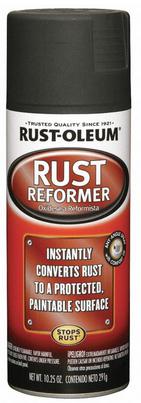 rust area with a rust converter (Rustoleum Rust Reformer is one brand). Then paint.
Replace the carpet and pad
Purchase the new molded carpet and pad and install them (instructions here). Or reuse the cleaned carpet and purchase new padding.

Do the same in the trunk
Remove the trunk carpet, spare tire, jack, etc. Wash down all the surfaces that got wet. Then rinse with clean water. Use a fan to dry.
Check the starter motor
Remove the starter motor and check for the presence of water, 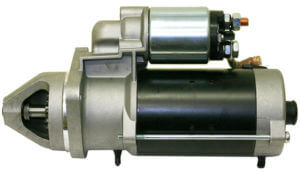 sand, or oily deposits. If you find any of those, you’re at risk of early starter failure. If the engine checks fine, it may pay to replace the starter now.
Flooded vehicle: How to check for water in your engine
If you found water in the throttle body, you may have water in the cylinders. If you crank the engine and there’s water in the cylinders, you can hydro lock the engine and destroy it. To avoid that, remove all the spark plugs and rotate the engine by hand with a socket placed on the crankshaft bolt. If water comes out of the cylinders, use compressed air to blow out the water and dry each cylinder.
My Final Advice (From Experience)
I’ve worked on flooded vehicles that:
• Ran perfectly again
• Became nightmares months later
The difference? What was done in the first 24 hours
If you want to save a flooded car:
• Act fast
• Be thorough
• Don’t cut corners
©, 2021 Rick Muscoplat
Posted on by Rick Muscoplat