
How to Use Motor Oil Analysis to Extend Engine Life
What Motor Oil Analysis Measures
Quick Summary
Motor oil analysis is the most accurate way to determine oil condition and set the right oil change interval for your engine. From my experience, here’s what matters most:
• Motor oil analysis shows actual oil condition, not estimates
• Oil fails primarily from heat (oxidation) and contamination (especially fuel dilution)
• You can extend or shorten oil change intervals safely based on real data
• It exposes hidden problems like coolant leaks, dirt ingestion, and abnormal wear
• It’s not perfect—there are limitations you need to understand
What Motor Oil Analysis Really Is (And Why I Trust It)
A motor oil analysis measures:
• Chemical breakdown of the oil
• Contamination levels
• Wear metals from engine components
• Remaining additive strength
In other words, it tells you the truth about your oil and your engine—not what a mileage sticker or dashboard reminder thinks.
What Actually Breaks Down Engine Oil
One thing I constantly correct is this idea that oil just “wears out.” It doesn’t. Oil fails for two very specific reasons, and motor oil analysis helps you see them clearly. These conditions shorten oil life dramatically.
1) Heat and Oxidation — Heat causes oxidation, which chemically degrades oil. The hotter the engine runs, the faster oxidation accelerates.
In real-world terms, your engine generates high heat from:
• Towing
• High-speed driving
• Turbocharged engines
2) Contamination (The Real Problem) — From my perspective, contamination is the bigger issue—and the one most people underestimate.
• Fuel dilution
• Water contamination
• Dirt (silicon)
• Combustion byproducts
• Fuel dilution, in particular, is one of the most common issues I see—and one of the most destructive.
What Motor Oil Analysis Tells You About Your Oil
When I review a motor oil analysis report, I’m looking at several key areas that tell the whole story.
1. Fuel Dilution — This is huge. Excess fuel thins the oil on cold start-up and that diluted oil reduces its ability to protect engine parts. That’s why it’s so important to get your engine up to operating temperture as quickly as possible. Driving does that. Idling doesn’t.
Common causes of fuel dilution:
• Cold Starts Followed by Short trips
• Idling to warm your engine
• Faulty injectors
2. Wear Metals — This is where motor oil analysis becomes a diagnostic tool. The results show you wear metals:
• Iron from the cylinder walls and crankshaft
• Aluminum from pistons
• Copper from bearings
Trend analysis here is everything. One sample doesn’t tell much—but patterns do.
3. Contamination Levels — Motor oil analysis identifies:
• Silicon (dirt ingestion)
• Coolant (head gasket leaks)
• Water/moisture
If I see coolant in oil, that’s an immediate red flag.
4. Additive Depletion —Oil contains additives that fight wear, corrosion, and sludge. Motor oil analysis shows whether those additives are:
• Still active
• Depleted
• Overworked
5. Viscosity Changes — Oil should stay within a certain viscosity range.
If it:
• Thins, that can be caused by high loading that damages the viscosity improver additives, or from fuel dilution
• Thickens due to contamination
That tells me whether the oil is still usable.
How I Use Motor Oil Analysis to Set Oil Change Intervals
This is where most people get it wrong—they want a fixed mileage number. That’s not how oil works.
Here’s how I actually use motor oil analysis in practice:
Step 1: Establish a Baseline — I take an oil sample at a normal interval (say 5,000 miles).
Step 2: Analyze The Lab Results — I look for:
• Contamination levels
• Wear trends
• Oil condition
Step 3: Adjust the Interval
If the oil additive package is still good and wear metals are low, you can extend your oil change intervals
If the oil or additives are highly degraded, then change your oil more often.
Step 4: Track Trends Over Time
• One test is helpful. Multiple tests are powerful.
• This turns maintenance into a data-driven process instead of guesswork.
Why Your Driving Habits Matter More Than Mileage
Motor oil analysis consistently proves one thing: driving conditions matter more than miles.
Short Trips and Cold Weather — This is the worst-case scenario:
• The engine never warms up
• Fuel stays in oil
• Moisture accumulates as a byproduct of combustion
• Cold starts generate the most soot, and short trips don’t run the engine long enough to filter out the soot
I’ve seen engines sludge up in under 3,000 miles under these conditions.
The Sludge Factor
When you drive extremely short trips—about one mile at a time—in cold weather. The engine never warms up fully.
That causes:
• Increased blow-by (fuel entering the crankcase)
• Moisture buildup
• No evaporation of contaminants
The result? Severe sludge buildup in under 3,000 miles.
That’s a perfect example of why motor oil analysis is critical—because mileage alone doesn’t tell the full story.
Oil Life Monitors vs Motor Oil Analysis
Modern oil life monitors are decent—but they’re still estimates based on algorithms.
They track:
• Engine revolutions and operation time
• Engine start-up temperature and warm-up times
• Driving and load patterns
But they don’t measure oil condition.
They cannot detect:
• Fuel dilution
• Coolant contamination
• Dirt ingestion
• Wear metals
That’s the gap motor oil analysis fills.
The Shortcomings of Motor Oil Analysis
Now, let’s be honest—motor oil analysis isn’t perfect. It’s a Snapshot, Not a Continuous Monitor. You’re only seeing the oil condition at the moment you sampled it.
To get enough data to predict oil change intervals, you need trend data. In other words, one report doesn’t tell the whole story. You need multiple samples over time.
Motor oil analysis can show wear trends—but it won’t predict:
• Sudden bearing failure
• Instant mechanical breakage
Cost and Effort
You have to:
• Take samples properly
• Send them in
• Wait for results
For some drivers, that’s a barrier.
Final Thoughts: Why I Rely on Motor Oil Analysis
From my perspective, motor oil analysis is one of the most powerful tools you can use to pro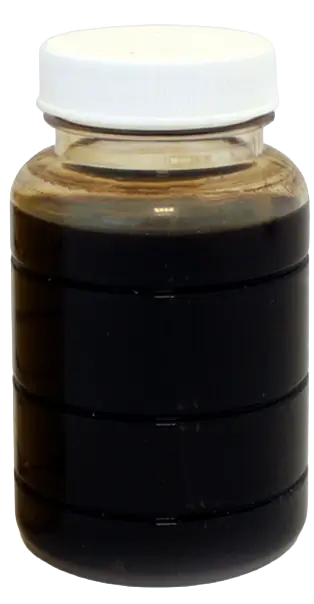 tect an engine.
It tells you:
• When to change your oil
• Whether your engine is wearing normally
• If contamination is present
• If a problem is developing
Once you start using motor oil analysis, you stop relying on guesswork—and that’s a big step toward extending engine life.
How To Use Motor Oil Analysis in Practice
When I apply motor oil analysis to a vehicle, here’s my approach:
• Establish a baseline sample
• Monitor trends over time
• Adjust oil change intervals based on actual data
• Identify developing issues before failure
This turns maintenance from reactive to proactive.
Here’s Why You Should Use Motor Oil Analysis on Your Daily Driver
• Modern engines are expensive
• Fuel systems are sensitive
• Oil change intervals vary widely
• Driving habits drastically affect oil life
• Motor oil analysis gives you control over all of that.
Final Thoughts: Stop Guessing—Start Testing
Motor oil analysis removes uncertainty about how often you should change your oil based on your driving habits.
It tells you:
• When to change your oil
• Whether your engine is healthy
• If a problem is developing
And in my experience, that’s one of the most valuable tools you can use to protect your vehicle.
©, 2026 Rick Muscoplat
Posted on by Rick Muscoplat