
Sometimes It’s Just Not Worth Repairing Your Car
When Is It Not Worth Repairing Your Car? How I Decide When to Fix or Let Go
Quick Summary:
If your vehicle is heavily rusted, has significant body damage, transmission or engine failure, it might be time to move on. But when is it worth repairing your car? The answer isn’t just about dollars — it’s about safety, dependability, and long-term costs. In this article, I’ll show you exactly how I make that call.
Don’t Start by Asking What Your Car Is Worth
People often assume it’s not worth repairing your car if the estimate equals or exceeds its market value. That may have been true years ago, but not today. Since the pandemic, both new and used car prices have skyrocketed, and the used car market is flooded with questionable vehicles — washed titles, hidden rust, and deferred maintenance.
So even if your repair bill seems high, replacing the car might cost far more in the long run. Before asking when is it not worth repairing your car, ask yourself what you’d really get for the money if you traded it in or bought used. The answer often surprises people.
• New car prices are the highest ever, so you’ll pay a high price for a new car.
• Good used cars are also in short supply, and they’re expensive. The used-car market is filled with poor-quality vehicles, many salvaged/washed titles, and low-quality trade-ins. Worse yet, used cars are still overpriced due to the shortages.
In other words, you’ll either over-pay for a new vehicle, or you risk getting a clunker of a used car
When It’s Absolutely Not Worth Repairing Your Car
There are a few hard lines I never cross — situations where no matter how sentimental you are, it’s just not worth repairing your car.
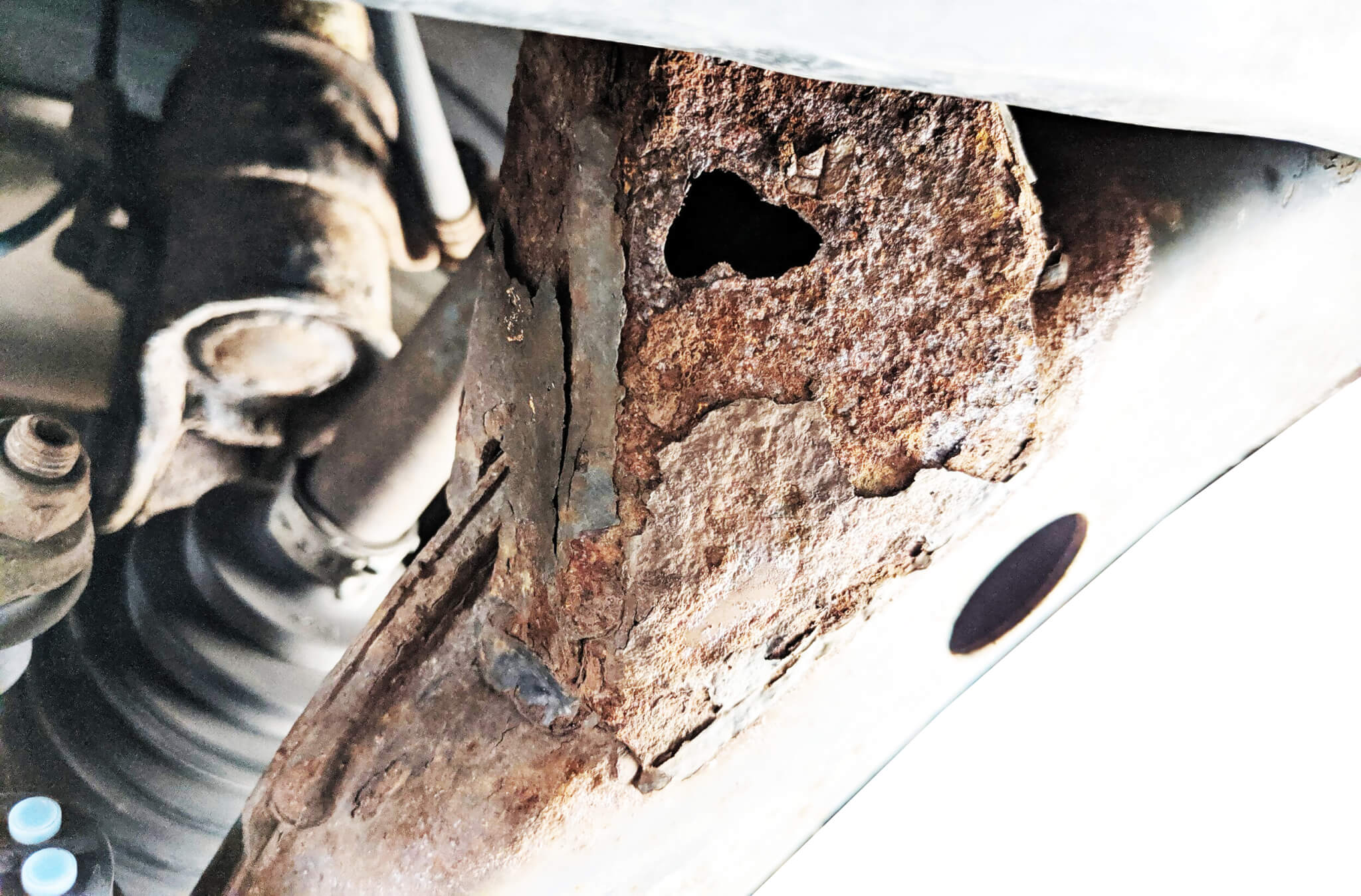
• Rusted Frame or Suspension — If the frame or subframe is rusted through, stop. That’s a structural failure you can’t fix economically or safely. I’ve seen people pour money into new brakes, shocks, and tires, only to scrap the car months later because the frame let go. Once the structure is compromised, it’s game over — that’s when it’s not worth repairing your car.
• Transmission Failure— A slipping or harsh-shifting transmission is another deal breaker. Spending thousands on other repairs while ignoring a failing transmission doesn’t make sense. The fix can easily exceed what the vehicle’s worth — and that’s when it’s not worth repairing your car.
• Severe Body Damage or Rust-Through Panels —Cosmetic rust can be ignored for a while, but when doors, fenders, or rockers sta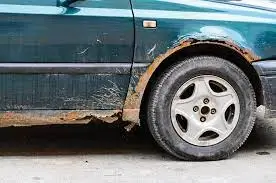 rt crumbling, the car’s value collapses. Even if the engine and transmission run fine, visible rust screams “money pit” to buyers. It’s another clear case of when it’s not worth repairing your car.
The Maintenance Factor — What People Forget to Include
Many people get sticker shock when they see a large estimate that includes years of deferred maintenance: bald tires, worn brakes, cracked belts, and overdue fluid changes. These aren’t “repairs”; they’re the result of skipped maintenance. But when you add those costs to major repairs, the total can make even a loyal owner realize when it’s not worth repairing your car.
Ask your shop to separate the must-do repairs from optional maintenance. Then you can make a smart decision based on what’s needed to keep it safe, not just what’s overdue.
Fixing vs. Buying New or Used — The Real-World Math
When comparing options, think beyond the repair invoice. If your choice is between fixing your old car and buying a new one, remember that a new car means years of no maintenance costs but a hefty monthly payment. In that case, it might not be worth fixing your car.
However, if you’re choosing between repairing your current car or buying used, you’re trading one set of unknowns for another. Most used cars need tires, brakes, and suspension work within a year — and you’ll still have a car payment. In that case, it often makes sense to keep the car you already know, unless it’s unsafe. That’s one of the biggest nuances in deciding when is it not worth repairing your car.
My 20% Rule — The Practical Benchmark
Over the years, I’ve developed a personal rule of thumb.
If the total repair and maintenance cost exceeds 20% of the car’s resale or trade-in value, that’s when it’s not worth repairing your car.
This 20% cushion recognizes that even reliable cars need occasional big-ticket repairs. But once you cross that line, the economics — and common sense — start working against you.
How to factor in maintenance costs when deciding whether it is worth repairing your car
It probably isn’t worth repairing your car and paying for all those maintenance items because the new car won’t need tires, brakes, or belts for a long time. Sure, you’ll have a high car payment, but you won’t have high maintenance costs for several years.
However, if it’s a choice between fixing this car or buying a used car, then it probably does pay to fix this one.
Why? Because you’re not going to get a perfect used car. So you’ll probably have to spend money on new tires, brakes, and shocks/struts within a year on any used car you buy. At that point, you’ll have a car payment and still have to shell out more money.
Fixing vs. Buying New or Used — The Real-World Math
If your choice is between repairing your current car or buying a new one, the new car will have zero maintenance costs for a few years, but a much higher payment. In that case, it might not be worth repairing your car, especially if the repair list includes items that don’t extend the vehicle’s life much.
However, if you’re deciding between fixing your old car and buying a used one, that’s different. Nearly every used car will need tires, brakes, and suspension work within a year of ownership. You’ll have a new car payment and repair bills. In that case, it may actually be worth fixing an old car you already know.
The 20% Rule — My Personal Benchmark
Here’s the rule of thumb I’ve used for years:
If the total cost of repairs and maintenance exceeds your car’s resale or trade-in value by more than 20%, it’s not worth repairing your car.
That 20% cushion allows for the reality that even well-maintained vehicles occasionally need big-ticket repairs. Once you’re above that margin, the economics simply don’t work.
How to Get Rid of a Car for Cash
If you decide it’s truly not worth repairing your car, don’t just let it sit in your driveway. Even vehicles with blown engines or failed transmissions still have value to recyclers, rebuilders, or scrap buyers.
But even with a blown engine or transmission, there are still a few ways to get more money from your old car than selling it to the junk yard. See this article on How to get rid of your car for cash.
Final Thoughts — Making a Smart, Informed Decision
When people ask me if it’s worth fixing an old car, my answer is always the same: it depends on the vehicle’s structure, reliability history, and the total cost to make it safe and dependable.
If you’ve maintained it well and the repairs don’t exceed 20% of its value, it probably makes sense to keep it. But if it’s suffering from rust, transmission failure, or a history of deferred maintenance, it’s not worth repairing your car — sell it for cash and move on.
©, 2023 Rick Muscoplat
Posted on by Rick Muscoplat