
Automatic Emergency Braking: Enhancing Vehicle Safety
Automatic Emergency Braking: Enhancing Road Safety Through Technology
Automatic Emergency Braking (AEB) stands out as a critical system designed to prevent accidents and enhance overall driving safety. AEB systems are rapidly becoming a standard feature in modern vehicles, offering an additional layer of protection that can mean the difference between a close call and a collision. This article explores what Automatic Emergency Braking is, how it works, and the significant impact it has on road safety.
What is Automatic Emergency Braking?
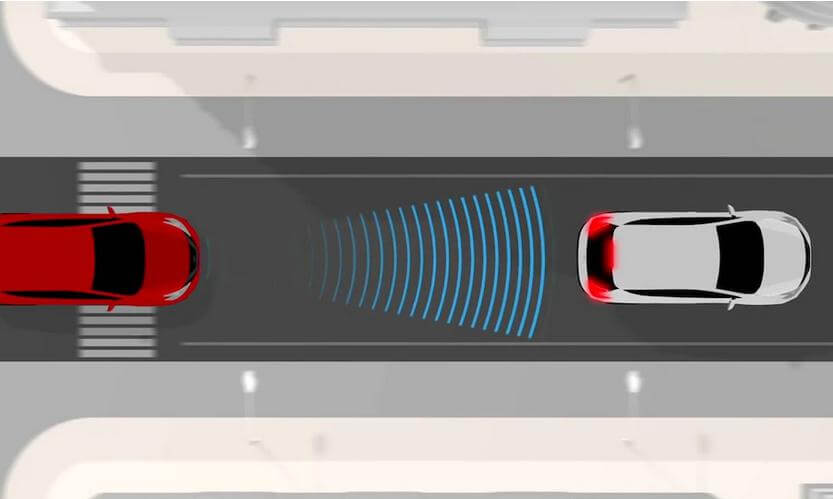
Automatic Emergency Braking is a driver-assistance system that automatically applies the brakes if it detects an impending collision. The system is designed to either prevent a crash or reduce its severity by slowing the vehicle down before impact. AEB systems use a combination of sensors, such as radar, cameras, and sometimes lidar, to monitor the road ahead. When a potential collision is detected, the system first alerts the driver. If the driver fails to respond in time, AEB takes over and applies the brakes automatically.
How Does Automatic Emergency Braking Work?
AEB systems rely on sophisticated technology to assess the driving environment. Here’s a breakdown of how it typically operates:
Detection: The first step in the AEB process is detection. The system continuously monitors the road using radar, cameras, and other sensors. These sensors are capable of detecting vehicles, pedestrians, cyclists, and other potential obstacles in the vehicle’s path.
Assessment: Once an object is detected, the AEB system assesses the likelihood of a collision. It does this by calculating the distance between the vehicle and the object, as well as the relative speed of both. The system uses algorithms to determine whether the current situation warrants intervention.
Warning: If the system determines that a collision is imminent, it will typically issue a warning to the driver. This warning can be auditory (a beep or alarm), visual (a flashing light on the dashboard), or tactile (such as a vibration in the steering wheel).
Braking: If the driver does not take action after the warning, the AEB system will automatically apply the brakes. The intensity of the braking depends on the situation—if a collision is almost certain, the system may apply full braking force. In some cases, the system may only reduce the speed to lessen the impact.
Post-Braking: After braking, if the collision was avoided or minimized, the system might assist in stabilizing the vehicle to prevent further incidents, such as secondary collisions. Some advanced AEB systems also work in conjunction with other safety features like Electronic Stability Control (ESC) or Adaptive Cruise Control (ACC).
Automatic Emergency Braking requires some driver maintenance
AEB technology only works when the camera, radar, or sensors can identify objects ahead. If the exterior sensors are blinded by sunlight or heavy rain, caked-on snow, or dirt on the lens, the system can’t work properly. If you’re driving in snowy conditions, you should remove snow buildup from the sensors/camera and clean the lenses.
Automatic Emergency Braking can produce false braking
Sometimes, the AEB and FCW may misinterpret road obstacles or even steam emanating from a manhole as a perceived threat and activate AEB. In those cases, the braking is usually momentary. However, when this happens it can definitely rattle your nerves.
©, 2021 Rick Muscoplat
Posted on by Rick Muscoplat