
Can You Drive With a Blown Head Gasket?
How Long Can You Drive With a Blown Head Gasket?
As a professional with years under the hood, I’ve seen firsthand what happens when drivers ignore the early warning signs of a blown head gasket. I get it—when your car still starts and runs, it’s tempting to keep going and hope for the best. But take it from someone who’s replaced more head gaskets than I can count: driving with a blown head gasket is a ticking time bomb.
If you’re wondering how long you can drive with a blown head gasket, I’ll give it to you straight. You might squeeze out a few miles—if you’re lucky—but in many cases, you won’t make it far before causing irreversible engine damage.
What a Head Gasket Actually Does And Why A Blown One is Such a Big Deal
Before we talk about driving with a blown head gasket, it’s important to understand what the head gasket does. It forms a high-pressure seal between the engine block and the cylinder head. It’s the seal that allows oil and coolant to flow through the block and the cylinder head. It also seals the combustion chamber to prevent high-pressure gases from escaping outside the engine, or into the oil or coolant passages. In addition, the head gasket prevents coolant and oil from entering the combustion chamber. And seals off three critical systems:
When the gasket fails—whether due to overheating, poor design, or high mileage—those systems can start mixing in ways they never should.
The moment that happens, you’ve got trouble: coolant can leak into the cylinders, oil can mix with coolant, and combustion gases can enter the cooling system. Each of those scenarios leads to expensive damage—and quickly.
What Happens When You Keep Driving With a Blown Head Gasket?
As someone who has torn down many ruined engines, I can confidently say that what happens if you keep driving with a blown head gasket depends on the failure mode—but none of them end well.
Overheating Escalates Rapidly
One of the first symptoms most drivers notice is overheating. Even if the radiator is full, combustion gases in the cooling system can create hot spots and pressure pockets, blocking coolant flow. You may have working fans and coolant, but the engine still overheats.
Driving with a blown head gasket while the engine is overheating is the fastest way to warp aluminum cylinder heads or crack the block.
Oil and Coolant Contamination
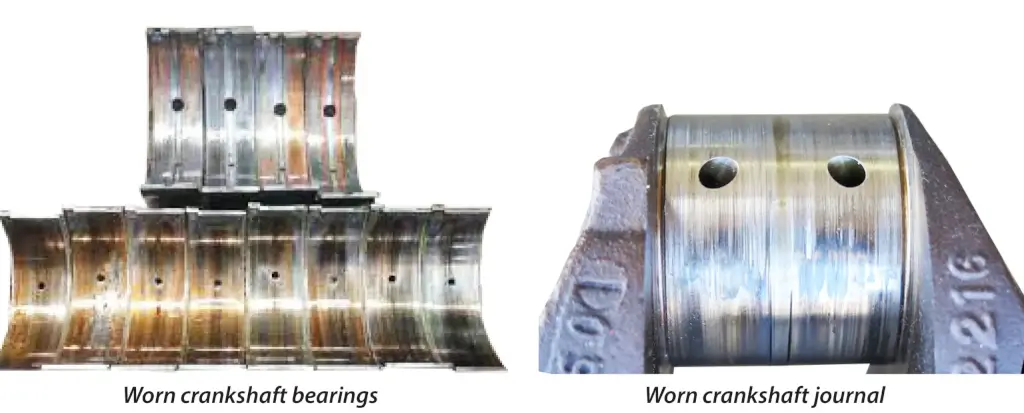
When coolant seeps into the oil, or vice versa, your engine’s lubrication system takes a beating. I’ve opened engines where the bearings were destroyed within minutes due to coolant contamination.
Once you see that milky “chocolate shake” under your oil cap, the damage has already started. If you’re still wondering how long can you drive with a blown head gasket in this condition—the answer is: probably not even five miles.
Hydrolocking the Engine
In some cases, coolant leaks directly into a cylinder. When you try to start the engine, the piston can’t compress the fluid, and the result is often a bent connecting rod, cracked piston, or even a broken crankshaft.
I’ve seen engines that were destroyed from just trying to start after sitting overnight with a failed gasket. This is one of the most catastrophic outcomes of driving with a blown head gasket.
So, How Long Can You Drive With a Blown Head Gasket?
This is the question I get asked the most. And unfortunately, there’s no simple answer. How long you can drive with a blown head gasket depends on the severity of the failure and how your engine reacts.
Here’s what I tell my customers:
Gasket Failure Type Estimated Drive Time Risk Level
• Minor external leak, no misfire or overheating 5–20 miles (at best) Risk Level: High
• Cylinder misfire, coolant consumption 0–5 miles Risk Level: Critical
• Coolant in oil or visible white smoke 0–1 mile Risk Level: Catastrophic
• Overheating immediately 0 miles Risk Level: Engine damage likely
Even in the best-case scenario, you’re driving on borrowed time. Once the symptoms appear, it’s already too late for a “safe” drive. If you plan to “just make it home,” know that driving with a blown head gasket could cost you an engine before you get there.
The Real-World Damage I See from Gasket Failures
I’ve seen the aftermath of people pushing their luck. If you keep driving with a blown head gasket, here’s what you’re likely to deal with:
Warped Cylinder Heads — Modern engines use aluminum heads, which warp easily when overheated. Once warped, they no longer seal properly, and you’ll keep blowing gaskets until they’re replaced or resurfaced.
Bearing, Journal, and Cam Failure— Even a few minutes of coolant mixing with engine oil can destroy rod and main bearings. Without proper oil film, metal components grind against each other, resulting in knocks, scoring, and eventually—engine seizure.
Timing Component Damage— Severe overheating and poor lubrication also wreak havoc on timing chains and guides. I’ve pulled apart engines where the heat and oil starvation caused the timing chain guides to melt—literally.
Total Engine Destruction— The worst-case scenario? You blow the gasket, hydrolock the engine, and bend a rod. At that point, you’re looking at a complete engine replacement.

When a rod bearing ceases the rod can break away from the crank and punch a hole right through the side of the engine
That’s the real price of driving with a blown head gasket—thousands of dollars and a car out of commission.
Warning Signs You Should Never Ignore
If you want to know how long you can drive with a blown head gasket, the better question is: how soon can you stop? Here are the symptoms I’ve trained drivers to spot:
• White smoke from the exhaust (especially if it smells sweet) 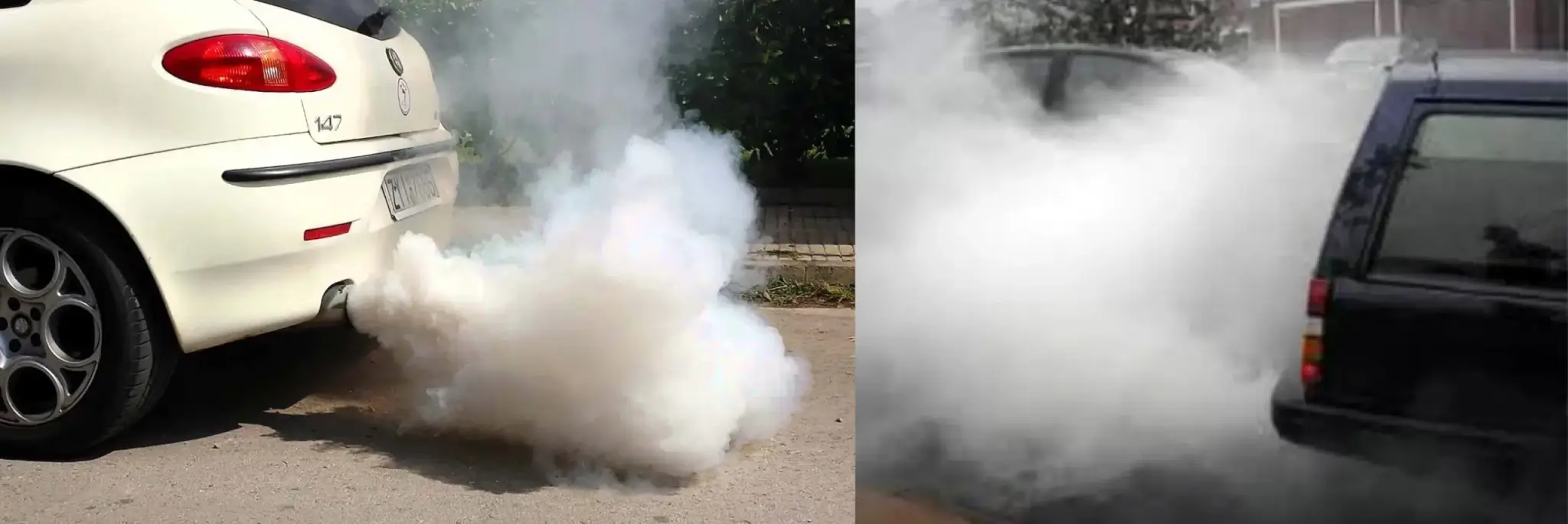
• Milky oil on the dipstick or under the cap
• Coolant disappearing without visible leaks
• Rough cold starts or misfires
• Bubbling in the overflow tank
• Overheating after just a few minutes of driving
These are not “maybe later” symptoms. They are signs that your head gasket is likely gone—or on its way out.
What You Should Do Instead of Driving It
If you suspect a blown head gasket, here’s my advice as a professional:
Tow It— Seriously, call a flatbed. I’ve seen cars saved because the owner made that smart decision early. It’s always cheaper than a new engine. Use a flatbed or tow dolly. Do not risk further damage by driving, even short distances.
Diagnose the Problem— Confirm it’s a blown head gasket with proper testing. Don’t just assume based on symptoms alone.
Get a Repair Estimate— In many cases, a head gasket job is worth doing—especially if the engine hasn’t been seriously overheated. But you’ll want a skilled technician who can check for warping and resurface the head if needed.
Final Verdict: Don’t Drive With a Blown Head Gasket
I’ll be blunt. Every single minute you drive with a blown head gasket, you increase the chances of:
• Complete engine failure
• Thousands in additional repairs
• Turning a salvageable car into a parts car
Modern engines—especially aluminum ones—aren’t forgiving. Unlike the iron-block beasts of decades past, today’s engines suffer damage fast.
So if you’re wondering what happens if you drive with a blown head gasket, the answer is: nothing good. You might make it down the street—or you might destroy your engine before you even leave the driveway.
©, 2025 Rick Muscoplat
Posted on by Rick Muscoplat