
How to Buy Jumper Cables: A Complete Guide
Why Jumper Cable Wire Gauge Matters More Than Amp Claims
Quick Summary
Buying the right set of jumper cables requires understanding cable length and wire gauge, which affect amperage and the likelihood of a successful jump start. The other factors include the cable’s temperature rating, clamp quality, and safety features. Buy once, buy right, and you’ll never regret spending a little more for cables that actually work.
How to Buy Jumper Cables: Why Length Matters More Than You Think
One of the first things I check when deciding how to buy jumper cables is the cable length. You never know how the dead and donor vehicles will be positioned. Sometimes you’re nose-to-nose. Other times it’s side-by-side. And often—especially in parking lots—it’s front-to-back.
Short cables work fine in ideal conditions, but real life is rarely ideal. I’ve lost count of how many times I’ve seen someone stranded be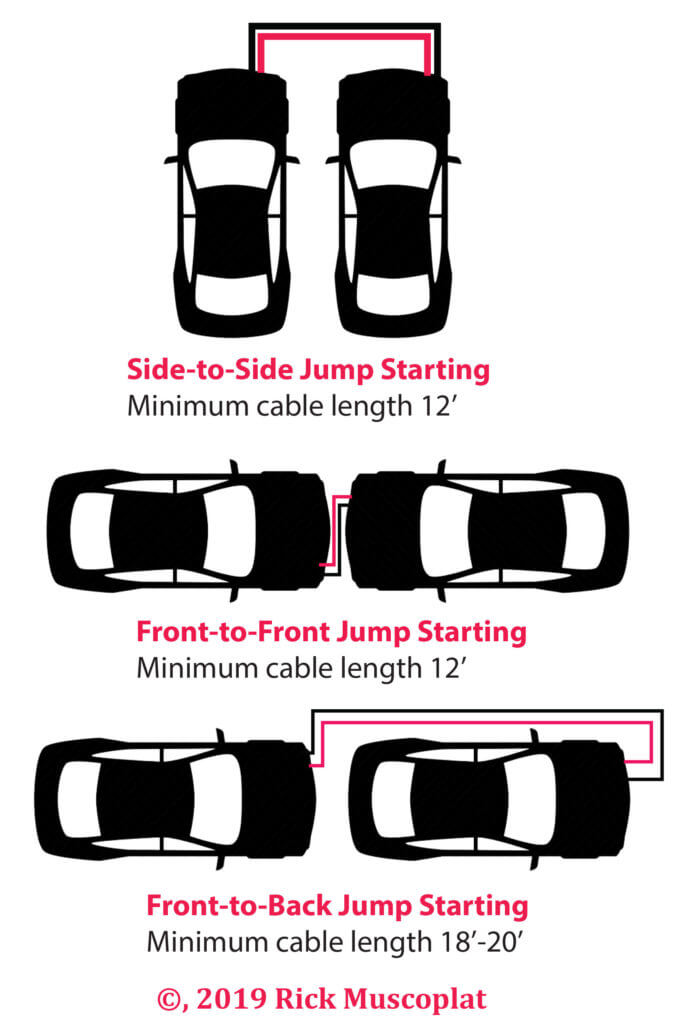 cause their cables wouldn’t reach. That’s why I recommend at least 18 feet for most vehicles. Longer cables cost more, but they dramatically increase the odds that you’ll be able to connect safely and correctly without stretching clamps or routing cables dangerously close to moving parts.
Understanding Wire Gauge: The Most Important Part of How to Buy Jumper Cables
This is where most people get tripped up. Wire gauge numbers work backward—the smaller the number, the thicker the wire and the more current it can carry.
Starting an engine takes serious current. In warm weather, a small gasoline engine might need 60–200 amps. A diesel engine may require 400 A or more to power the glow plugs and starter. Cold weather makes everything worse because thick oil increases resistance, and the battery’s output drops.
Cable Length and Gauge Work Together
Here’s something most packaging won’t explain clearly: longer cables need thicker wire to carry the same current. If you move from a 12-foot cable to a 20-foot cable, you can’t keep the same gauge and expect the same performance.
This is a key concept in how to buy jumper cables properly. A short 6-gauge cable might work well, but a longer cable may need to step up to 4-gauge or even 2-gauge to maintain the same current flow. Ignore this relationship, and you’ll end up with long wires that look impressive but don’t actually start the vehicle.
• A 2.0L diesel engine requires around 400 amps to power the glow plugs and the starter
• A 2.0L gasoline engine only needs 60-200 amps.
See this article on jumper cable length, wire gauge and how much current you lose as you increase length.
Cold Weather Flexibility: A Detail That Separates Good Cables From Junk
I’ve seen plenty of cheap jumper cables turn into stiff plastic pipes at freezing temperatures. That’s why the temperature rating is a non-negotiable factor when buying jumper cables.
Quality cables remain flexible down to at least -30°F. That flexibility isn’t a luxury—it’s a necessity. If the cables won’t uncoil or lay flat, you’re fighting them while trying to make safe connections, and that’s when mistakes happen.
Copper vs. Copper-Clad Aluminum: Don’t Fall for the Shortcut
Another critical lesson in buying jumper cables is understanding the conductor material. Cheap cables are often made from copper-clad aluminum. They’re lighter and cheaper, but they don’t conduct current nearly as well as pure copper.
True 100% copper cables cost more, but they deliver power more efficiently and run cooler under load. When you’re trying to crank a stubborn engine, that difference matters.
Why I Prefer Tangle-Free Jumper Cables
Nothing is more frustrating than unraveling a
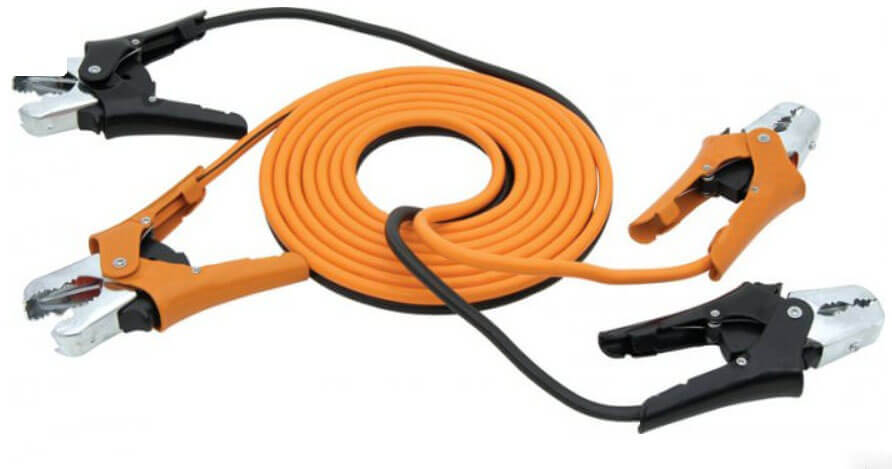
Tangle-free jumper cables eliminate the hassle of untangling cables in cold weather
frozen mess of cables on the side of the road. That’s why I always recommend tangle-free designs. These are typically molded or bonded as a single paired cable rather than two loose leads.
It’s a small detail, but when you’re learning how to buy jumper cables, it’s one of those features you’ll appreciate every single time you use them.
Jumper Cable Clamps: Where Cheap Sets Fail First
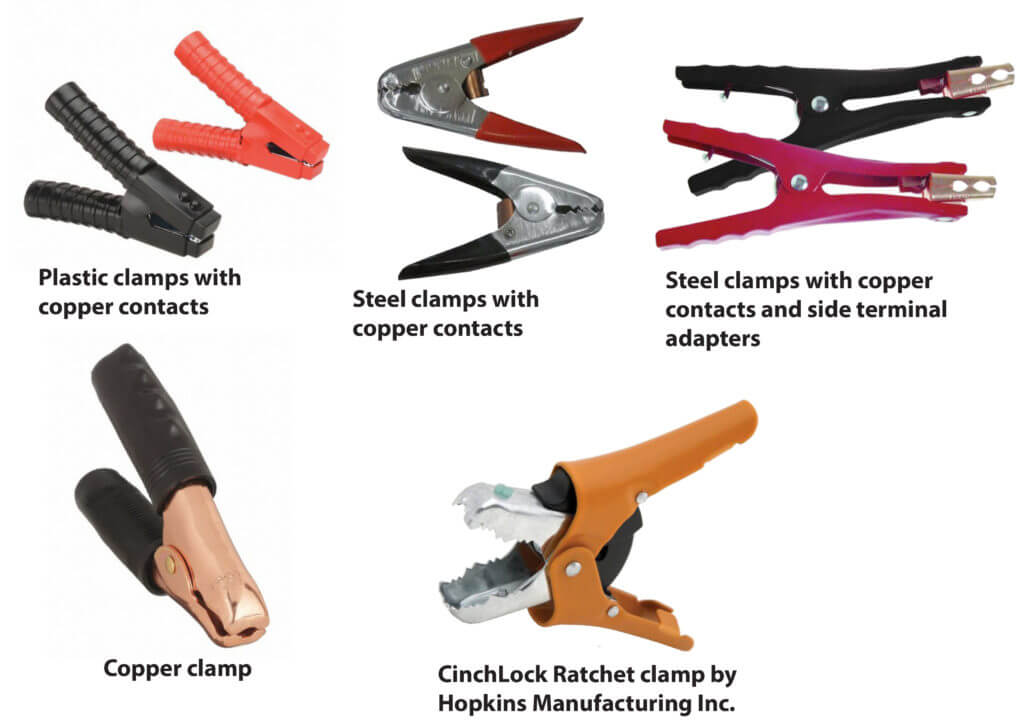
Clamps are another common failure point. Cheap jumper cables often use plastic-handled clamps with thin copper inserts. Those plastic handles crack in cold weather, and the weak spring pressure leads to poor connections.
The best clamps are made of solid copper or heavy steel, with copper contact surfaces and fully insulated handles. A strong clamping force ensures good contact, reducing resistance and heat buildup during cranking.
Polarity Protection: A Smart Upgrade Worth Paying For
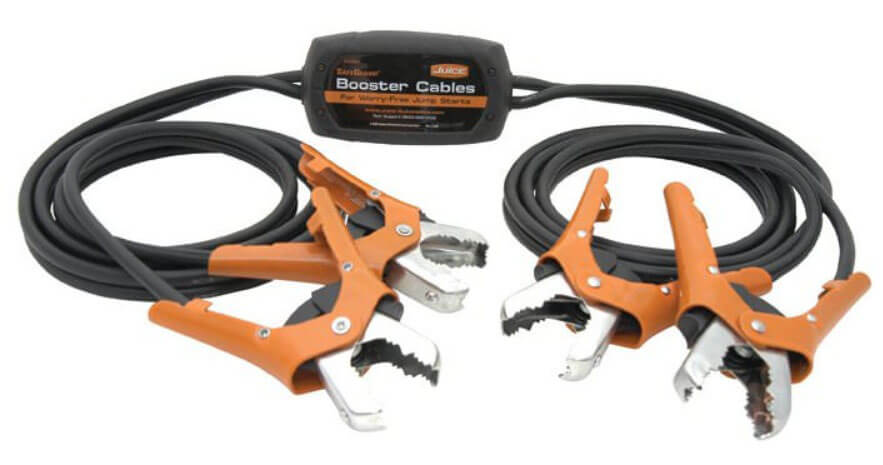
Modern vehicles are packed with sensitive electronics, and incorrect polarity connections are one of the fastest ways to blow fuses or damage control modules. That’s why polarity protection is one of my favorite features when advising people on how to buy jumper cables.
Some premium cable sets include built-in protection that prevents damage if the clamps are accidentally connected backward. Considering how expensive vehicle computers are, this feature alone can pay for the cables many times over.
Final Thoughts: How I Decide How to Buy Jumper Cables
Ultimately, learning to buy jumper cables is about planning for worst-case scenarios. Long enough to reach. Thick enough to carry real current. Flexible enough to use in winter. Strong enough to last for years.
Cheap jumper cables may save you a few dollars today, but quality cables save you frustration, time, and potentially expensive repairs tomorrow. In my book, that’s money well spent.
©, 2019 Rick Muscoplat
Posted on by Rick Muscoplat