
How to Choose the Best Windshield Washer Fluid for Your Climate
The Best Windshield Washer Fluid for Every Season: What I Use and Recommend
If there’s one fluid in your car you probably overlook, it’s windshield washer fluid. But as someone who’s spent decades in auto repair and diagnostics, I can tell you that the best windshield washer fluid isn’t just colored water—it’s a chemical blend that plays a critical role in visibility and safety. Whether you’re dealing with winter slush, summer bugs, or pollen-covered glass, using the right formula for the season is essential.
Let’s break down what’s in windshield washer fluid, why some are better than others, and which brands I personally trust when it comes to winter washer fluid, summer washer fluid, and the best windshield washer fluid for all-around use.
What’s Really in Windshield Washer Fluid?
Most windshield washer fluids are made up of three core ingredients: water, solvents, and detergents. The solvents—often methanol or ethanol—help dissolve grease and grime and provide freeze protection. The detergents break up dirt and bugs, and the water helps deliver the solution across your windshield through the washer nozzles.
By adding a small amount of ethylene glycol to the washer fluid, you not only reduce the freezing point of the solution, but the ethylene glycol also interferes with the water’s ability to form ice. So a deicer fluid can actually help remove ice from your windshield instead of just cleaning it.
Here’s where the formulas differ:
• Winter windshield washer fluid includes more alcohol to prevent the fluid from freezing in the reservoir or on your windshield. If you’re buying washer fluid for winter and you don’t buy a fluid rated down to the lowest expected temperatures, the fluid can freeze. That can damage the washer pump and the washer nozzles.
• Summer windshield washer fluid, on the other hand, focuses on removing sticky bug residue, pollen, and road grime. A generic fluid won’t cut it year-round if you live in a place with real seasonal shifts.
• Windshield deicers, are different than washer fluid. Deicers contain a small amount of ethylene glycol, the same ingredient used in antifreeze. By adding a small amount of ethylene glycol to the washer fluid, you not only reduce the freezing point of the solution, but the ethylene glycol also interferes with the water’s ability to form ice. So a deicer fluid can actually help remove ice from your windshield instead of just cleaning it.
How to Choose the Best Windshield Washer Fluid for Your Climate
If you’re like most drivers, you buy the cheapest jug on the shelf. I used to do that too—until I had washer nozzles freeze in February or couldn’t clear a single bug splatter in July. Now I know better. When choosing the best windshield washer fluid, you need to look at three things: freezing point, cleaning power, and additives.
NOTE: This article has links to a few washer fluid manufacturers. None of them are affiliate links. In other words, I don’t make any money by posting them here. I posted the links because I believe these are good products.
For Winter: Go with Freeze Protection and Salt Cutters
In the colder months, I use Prestone De-Icer Windshield Washer Fluid. 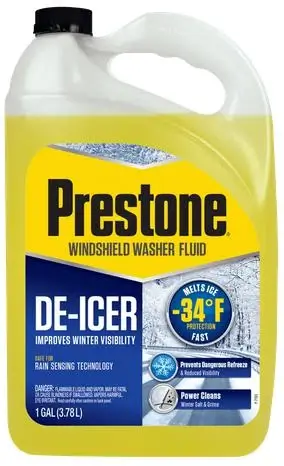 It’s hands down the best winter washer fluid I’ve ever used. With a freezing point down to -34°F, it keeps the fluid moving even in subzero temps, and it includes an ice-melting agent that helps break down frost on contact.
Another solid winter option is Rain-X De-Icer Washer Fluid. Not 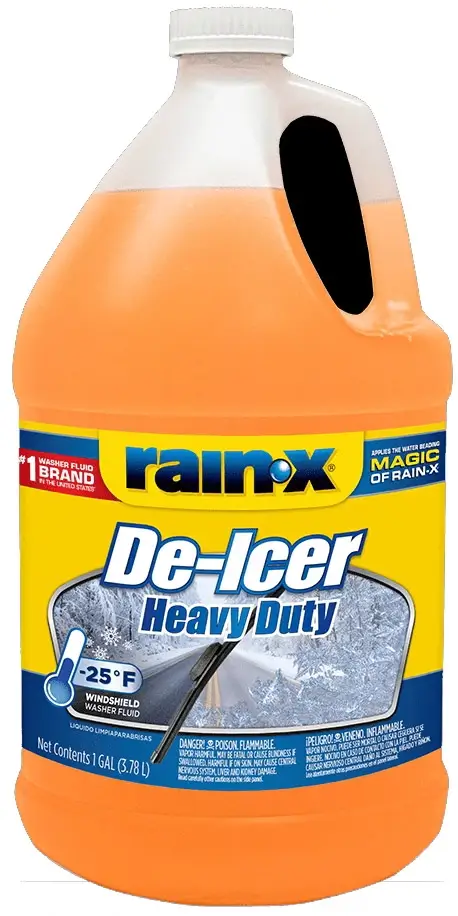 only does it perform well in low temps, but it also lays down a water-repellent coating with every spray, making snow and sleet slide off the windshield more easily. That added hydrophobic layer is especially helpful during icy commutes or highway driving through freezing drizzle.
These aren’t just marketing gimmicks—they’re proven performers. I’ve used both of these winter washer fluids in the harshest Midwestern winters, and they consistently outperform generic brands.

Don’t grab the cheapest washer fluid for use in winter. It may not provide enough freeze protection for your climate.
For Summer: Bug and Pollen Fighters
Come May-June, I switch to Rain-X Bug Remover Washer Fluid. If you’ve 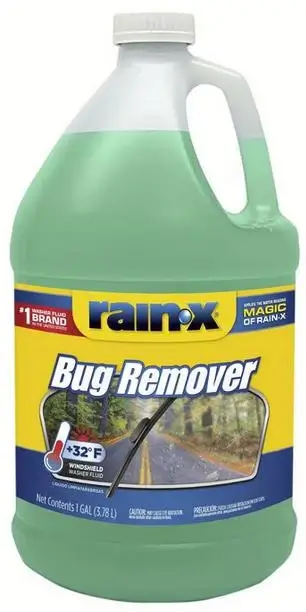 ever driven through the Midwest during peak insect season, you know how bad the windshield can get. This summer windshield washer fluid cuts right through that mess, and it leaves a streak-free finish that’s ideal for night driving.
Year-Round Options: One Jug for All Seasons?
If you’re in a mild climate and don’t want to switch back and forth between summer washer fluid and winter washer fluid, there are some year-round blends that work well. Peak All Season 3-in-1 washer fluid is a solid all-purpose option. It claims freeze protection down to -20°F and also includes bug cleaners and rain-repelling additives.
But I’ll be honest: If you live somewhere with real winter, no “all-season” fluid will match a dedicated winter washer fluid for performance in extreme cold. Likewise, nothing beats a true summer washer fluid when you’re dealing with heavy bug buildup and dust storms.
Pro Tips for Getting the Most Out of Your Windshield Washer Fluid
• Never dilute winter fluid. That lowers the freeze point and can cause washer lines to freeze up—an expensive fix.
• Use distilled water if you’re mixing concentrate. Tap water introduces minerals that can clog spray nozzles.
• Clean your wiper blades when you refill. Dirty blades reduce the effectiveness of even the best windshield washer fluid.
• Also, keep an eye on your fluid reservoir. If you go through fluid quickly, check for a leak. It’s common for the reservoir to develop cracks over time, especially in vehicles exposed to road salt or engine heat.
Rick’s Final Thoughts: Don’t Skimp on Visibility
Windshield washer fluid might seem like a low-stakes choice—but trust me, it’s not. Poor visibility is a top contributor to road accidents, and nothing helps keep your windshield clean and clear better than using the best windshield washer fluid for the conditions.
My bottom-line advice: use a true winter washer fluid during the cold months, switch to a dedicated summer washer fluid when the temperature climbs, and always go with trusted brands like Prestone, Rain-X, and Nextzett. It’s a small investment that pays off big in safety, performance, and peace of mind.
©, 2021 Rick Muscoplat
Posted on by Rick Muscoplat