
How to Find the Cause of Serpentine Belt Noise
The Most Common Causes of Belt Noise
Quick Summary
If you’re hearing belt noise, don’t assume the serpentine belt is bad. In my experience, the most common causes are a weak automatic belt tensioner, pulley misalignment, worn pulley bearings, or a belt that’s worn even though it looks perfectly good. The key to a permanent squeaky belt noise fix is diagnosing the entire belt drive system—not simply replacing the belt or trying to spray a belt to stop noise. In this guide, I’ll show you the same diagnostic process I’ve used for years to quickly and accurately pinpoint belt noise.
Don’t Blame the Belt Too Quickly
Modern EPDM serpentine belts last much longer than older neoprene belts. Unlike older belts, they rarely crack. Instead, they wear by gradually losing rib depth.
I inspect for:
• Rounded belt ribs
• Shiny glazed surfaces
• Frayed edges
• Missing chunks of rubber
• Rubber packed inside pulley grooves
A belt can look almost new and still be slipping.
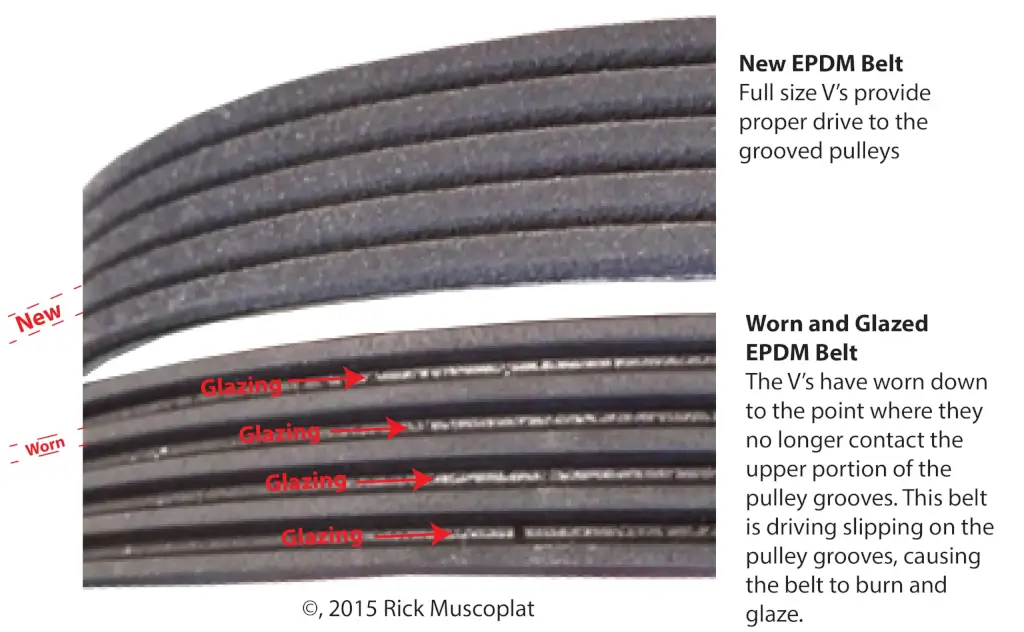
The Number One Cause of Belt Noise
Improper Tension due to a worn-out automatic belt tensioner — Most people check whether the tensioner still engages the belt. That’s not enough.
Inside every automatic tensioner is a heavy spring and a pivot bushing. Both wear over time.
As the spring weakens:
• Belt tension drops.
• The belt slips.
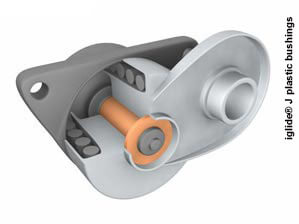
The tensioning arm rotates around the yellow plastic pivot arm bushing
• Heat builds.
• The belt begins squealing.
As the pivot bushing wears:
• The tensioner pulley tilts.
• The belt tracks sideways.
• Chirping begins.
That’s why I usually replace the belt and tensioner together once they approach 100,000 miles.
Other common causes of belt noise
Here’s the order I usually investigate:
• Pulley misalignment
• Worn serpentine belt
• Bad idler pulley bearing
• Alternator bearing failure
• A/C compressor clutch problems
• Power steering pump bearing
• Water pump bearing
• Contaminated belt
• Incorrect belt installation
How I Diagnose Belt Noise
I follow the same routine every time.
Step 1: Watch the Belt and the Tensioner Arm — With the engine running, observe:
• Belt vibration
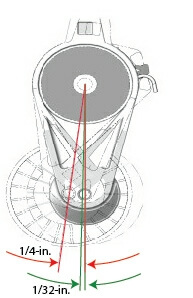
This image shows the maximum allowable movement of the serpentine belt tensioner arm
• Tensioner movement
• Belt tracking
A healthy tensioner moves very little. If the arm bounces noticeably or oscillates constantly, the tensioner has likely reached the end of its life.
Step 2: Listen Carefully — Notice when the noise occurs.
Does it happen:
• Only during cold starts?
• Only when it’s raining?
• Only with the A/C on?
• During hard acceleration?
• While turning the steering wheel?
These clues point toward specific components.
Step 3: Use the Water Spray Test
How to Perform the Water Test
Using a spray bottle:
• Start the engine.
• Recreate the condition where the noise normally occurs.
• Spray a light mist on the ribbed side of the belt.
Then listen carefully.
What the Results Tell You
1) If the noise briefly disappears: The belt or pulleys are probably misaligned.
2) If the noise immediately becomes louder: The belt doesn’t have enough tension.
This simple test tells me far more than randomly replacing parts.
NOTE: Most belt chirps and belt squeals occur in the shortest spans between two driven components.
Should You Spray with Belt Dressing to Stop Noise?
This is one of the most searched questions online. The answer is NO!
Years ago, belt dressing sometimes worked on older V-belts. Today’s EPDM serpentine belts are different.
Belt dressing is intentionally designed to be sticky, which increases grip. But since it doesn’t solve the root problem, the noise always returns. But it gets worse
But you sprayed it with a sticky substance; the belt and pulleys now attract dirt and road grit
• That accelerates belt wear
• Wears out the pulley grooves, creating even more slip and noise
• Masks the real problem
If you’re searching for a squeaky-belt-noise fix, don’t reach for a spray can.
Find the cause instead
Check Every Pulley — Once the belt is removed, I spin every pulley by hand.
I’m checking for:
• Rough bearings
• Side-to-side wobble
• Grinding
• Resistance
• Excessive play
Pay particular attention to:
• Idler pulley
• Belt tensioner pulley
• Alternator
• Water pump
• A/C compressor
• Power steering pump
One noisy bearing can sound exactly like a slipping belt.
Check Pulley Alignment — Pulley misalignment causes thousands of unnecessary belt replacements every year.
Misalignment may result from:
• Worn tensioner bushings
• Bent brackets
• Worn idler bearings
• Improper aftermarket parts
• Loose mounting bolts
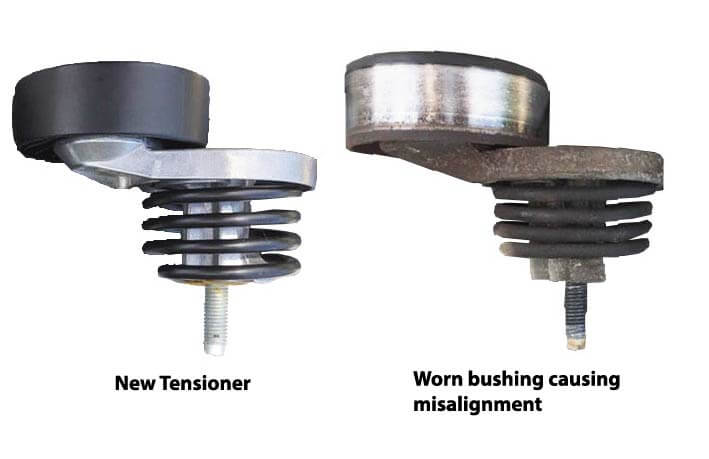
Notice how a worn bushing causes the idler roller to tilt. This causes misalignment and noise
A straightedge placed across adjacent pulleys can often reveal an alignment problem.
Prevent Belt Noise Before It Starts
I recommend inspecting the entire belt drive system every time the hood is open.
Good preventive maintenance includes:
• Replacing belts around 90,000–100,000 miles
• Replacing worn tensioners
• Checking pulley bearings
• Repairing coolant or oil leaks immediately
• Keeping the belt clean and dry
Replacing only the belt often leads to another squeal a few weeks later.
Frequently Asked Questions
Why does my belt squeal only when the engine is cold?
Cold temperatures reduce belt flexibility, making a worn belt or weak tensioner more likely to slip until the engine warms up.
Can a bad alternator cause belt noise?
Yes. Worn alternator bearings increase drag and often produce both squealing and grinding noises.
Can leaking coolant cause belt noise?
Absolutely. Even a small coolant or oil leak can contaminate the belt and reduce traction.
Should I replace the tensioner when replacing the belt?
If the vehicle has close to 100,000 miles, I usually recommend replacing both. Their service lives are very similar.
Final Thoughts
Whenever I hear belt noise, I resist the temptation to blame the belt alone. Experience has taught me that the serpentine belt is only one part of a complete drive system. A worn tensioner, misaligned pulley, failing bearing, or contaminated belt can all produce nearly identical symptoms.
The best squeaky belt noise fix comes from careful diagnosis—not guesswork. And while many people search for ways to spray a belt to stop noise, those products rarely solve the underlying problem. A few extra minutes spent inspecting the entire belt drive system will almost always lead you to the real cause, saving both time and money.
© 2012 Rick Muscoplat
Posted on by Rick Muscoplat