
Serpentine Drive Belt: Understanding Its Lifespan
Serpentine Drive Belts: How Modern EPDM Belts Differ from Older Neoprene Belts
Quick summary
A modern serpentine drive belt is manufactured from EPDM rubber, a durable material that can commonly provide around 90,000 to 100,000 miles or more of service. Unlike older neoprene belts, EPDM belts may remain relatively free of visible cracks as they age. Instead, the ribs gradually lose material—much like tire tread wearing away. For this reason, determining the condition of an EPDM belt requires checking rib depth and profile, along with inspecting the tensioner, pulleys, and accessory drive components.
How Is a Modern EPDM Serpentine Drive Belt Different From an Older Neoprene Belt?
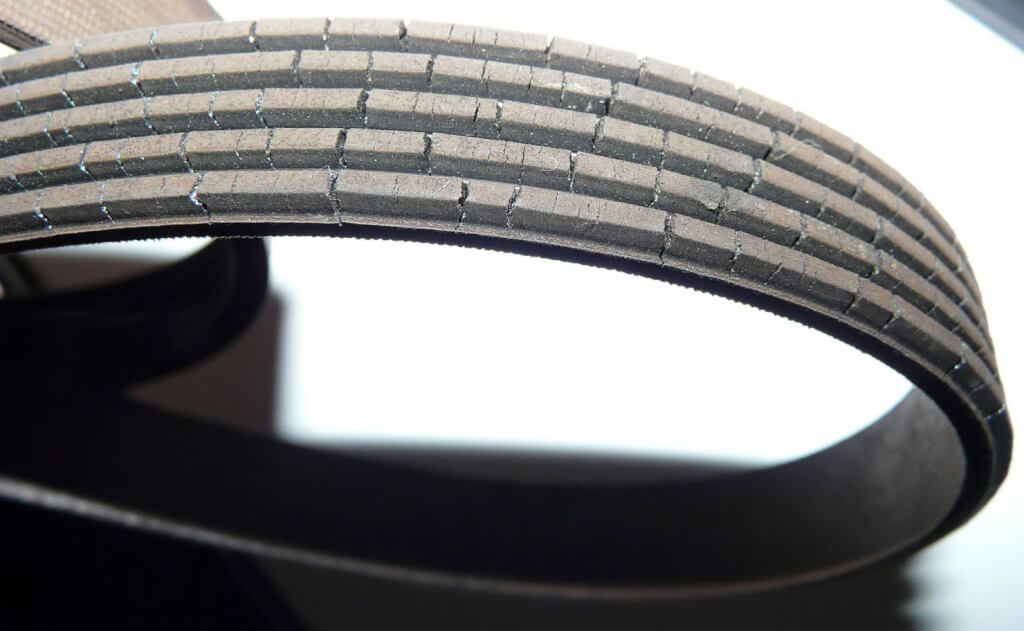
The automotive serpentine drive belt has changed considerably over the past several decades. Older belts were commonly manufactured from neoprene, or chloroprene-based compounds. These belts typically provided approximately 50,000 to 60,000 miles of service, and their aging process was relatively easy to recognize: the rubber hardened, glazed, and developed visible cracks.
EPDM provides greater durability and resistance to heat and environmental exposure. Depending on vehicle design and operating conditions, an EPDM belt may last approximately 90,000 to 100,000 miles or longer.
The important difference isn’t simply how long the belts last. They wear differently.
Neoprene vs. EPDM Belt Aging
Older neoprene belts generally provided obvious visual warnings as they deteriorated:
• Cracks appeared across the ribs.
• Rubber hardened with age.
• Rib surfaces became glazed.
• Pieces of rubber could separate or break away.
• Cracking became progressively worse until replacement was clearly necessary.
EPDM belts resist cracking much better. Gates notes that an EPDM belt can operate for 100,000 miles or beyond without obvious cracking, making the traditional crack-counting inspection method unreliable for determining its remaining life.
How Do You Determine the Condition of an EPDM Serpentine Drive Belt?
The most important concept when inspecting an EPDM serpentine drive belt is material loss.
Think of an EPDM belt like a tire. A tire doesn’t have to crack before it wears out—the tread gradually disappears. EPDM belt ribs behave in a similar way.
A new belt has sharply defined ribs and grooves with a distinct V-shaped profile. As the belt accumulates mileage, microscopic amounts of rubber are worn away. Eventually, those V-shaped grooves widen and become more U-shaped.
That change matters because the belt can begin sitting too deeply in the pulley grooves. The result is reduced wedging force and less effective power transfer between the crankshaft pulley and accessories. Material loss can ultimately contribute to slipping, noise, and reduced accessory-drive performance.
The Best Ways to Inspect an EPDM Belt
A proper inspection should include:
• Measure rib wear. A dedicated belt-wear gauge can measure rib depth and profile rather than relying solely on visible cracks.
• Examine the grooves. Rounded, widened, or U-shaped grooves indicate material loss.
• Look for glazing. A shiny or polished belt surface can indicate slipping.
• Check for missing material. Chunking, damaged ribs or exposed cords require attention.
• Check the belt edges. Fraying or unusual edge wear can indicate pulley misalignment.
• Look for contamination. Engine oil, coolant or other chemicals can damage the belt and should prompt investigation of the leak.
• Inspect the complete drive system. The tensioner, idlers, pulleys and driven accessories all affect belt life.

Dayco recommends beginning regular inspection of the complete belt drive system once a vehicle passes approximately 60,000 miles.
What Are the Symptoms of a Worn Serpentine Drive Belt?
A worn belt doesn’t always show obvious cracking. Symptoms can develop because the belt is slipping or because another component in the accessory drive system is failing.
Common warning signs include chirping or squealing noises, visible belt damage, glazing, material loss, and abnormal accessory operation.
Depending on the vehicle, drivers may also notice:
• Intermittent belt squeal, particularly during startup or acceleration.
• Chirping that changes with engine speed.
• Reduced air-conditioning performance.
• Charging-system problems if the alternator is not being driven correctly.
• Heavy steering on vehicles with belt-driven hydraulic power steering.
• Engine overheating on vehicles where the serpentine belt drives the water pump.
• A belt that repeatedly tracks toward the edge of a pulley.
Noise deserves particular attention. A noisy new belt does not automatically mean the replacement belt is defective. Pulley misalignment, inadequate tension, bearing problems, or a worn automatic tensioner can create the same symptoms.
What Else Should You Replace When Replacing a Serpentine Drive Belt?
Replacing the belt without inspecting the rest of the system is one of the most common accessory-drive service mistakes.
The serpentine drive belt, tensioner, and pulleys operate as a system. A new belt installed over a weak tensioner or worn pulley bearing may quickly become noisy, slip, or wear prematurely.
When replacing the belt, inspect—and replace when worn—the:
• Automatic belt tensioner
• Tensioner pulley
• Idler pulley or pulleys
• Pulley bearings
• Accessory pulleys
• Crankshaft pulley/harmonic balancer
• Alternator, water-pump and A/C compressor bearings or pulleys as applicable
Dayco recommends replacing the pulley and tensioner when the belt reaches its replacement point because worn tensioner springs, bearings and pulley alignment can shorten the life of the new belt.
Any oil or coolant leak should also be repaired before installing a replacement belt. Installing an expensive new belt into a contaminated or mechanically defective drive system simply transfers the original problem to the new component.
The Bottom Line: Don’t Judge an EPDM Belt by Cracks Alone
The old rule of looking for cracks worked reasonably well with neoprene belts, but it is no longer sufficient for today’s EPDM serpentine drive belt.
Modern EPDM belts typically age through gradual rib material loss rather than dramatic surface cracking. That makes mileage, rib profile, measurable material loss, and the condition of the complete accessory drive system far more useful indicators.
A belt can therefore look surprisingly good while being significantly worn.
For dependable preventive maintenance, start paying close attention to the belt drive around 60,000 miles, measure EPDM rib wear rather than relying solely on appearance, and follow the vehicle manufacturer’s maintenance recommendations. When replacement becomes necessary, inspect the tensioner and every pulley at the same time.
©, 2026 Rick Muscoplat
Posted on by Rick Muscoplat