
What Does DEF Fluid Do? A Complete Diesel Exhaust Fluid Guide
DEF Fluid Explained: What It Is, How It Works, and Where to Buy It
Quick Summary
• What is DEF? — Diesel Exhaust Fluid (DEF) is a precisely formulated solution of 32.5% high-purity urea and 67.5% deionized water.
• Where you add it — You add it to a 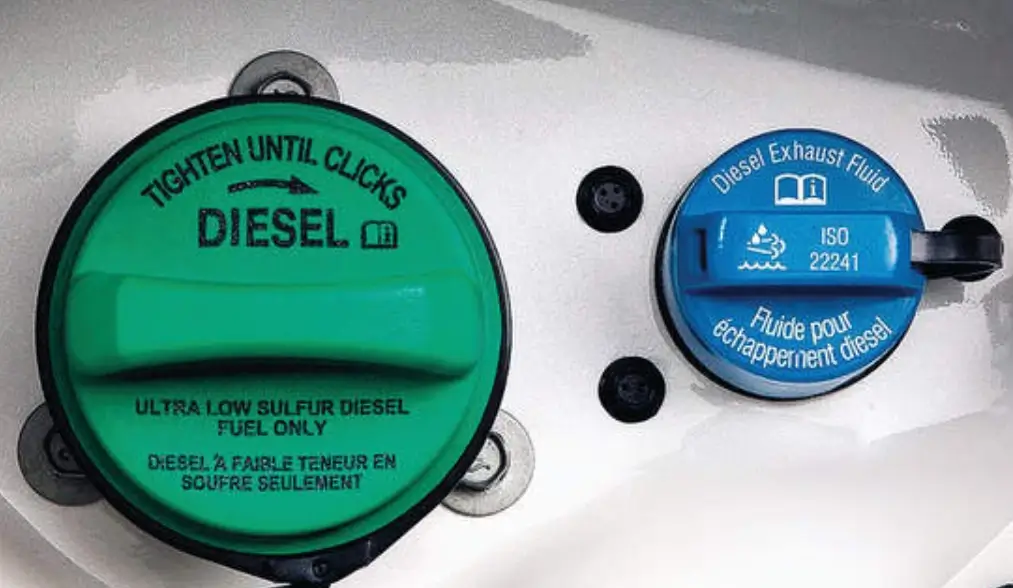 separate reservoir. The DEF filler cap is often blue to help distinguish it from the diesel fuel filler, although you should always verify the correct fill location in the owner’s manual.
• What it does — The emissions system injects the fluid into the exhaust stream so the Selective Catalytic Reduction (SCR) system can reduce nitrogen oxide (NOx) emissions.
• Running low or completely out of DEF can trigger dashboard warnings and, depending on the vehicle, eventually cause a power or speed derate or restart restriction.
• Look for DEF that meets ISO 22241 specifications and follow your vehicle manufacturer’s recommendations.
Where to buy DEF fluid
You can commonly buy DEF fluid at auto-parts stores, big-box retailers, truck stops, fuel stations, dealerships, farm-supply stores, and online.
For many pickup and light-duty diesel owners, 2.5-gallon DEF jugs are a convenient option. High-mileage drivers and fleets may find DEF pumps or bulk containers more economical.
The most important thing I tell diesel owners is simple: DEF fluid isn’t an optional additive or a performance upgrade. If your diesel was designed to use DEF, it’s an integral part of its emissions system.
DEF Fluid Isn’t a Diesel Fuel Additive
It doesn’t go into the fuel tank. It is stored in a dedicated tank and is metered into the exhaust system rather than entering the engine’s combustion chamber.
Putting DEF into the diesel fuel tank can cause a very expensive problem that requires a full drain-and-flush procedure.
Why Your Diesel Engine Needs DEF Fluid
This is where DEF gets interesting. Diesel engines are efficient because they operate with high compression ratios and lean air-fuel mixtures. One consequence of diesel combustion, however, is the formation of nitrogen oxides, commonly called NOx.
Instead of trying to eliminate all of those emissions inside the combustion chamber, modern diesel emissions systems can treat part of the problem downstream in the exhaust. That’s where DEF fluid and the SCR catalyst system come in.
The diesel emission system injects DEF into the hot exhaust stream. The exhaust heat breaks down its urea component, ultimately producing ammonia. That ammonia reacts with NOx inside the SCR catalyst, converting it primarily into nitrogen and water vapor.
In other words, DEF doesn’t help burn the diesel fuel. It helps treat the gases produced after the fuel has already burned.
Why Does DEF Fluid Have to Be 32.5% Urea?
That oddly specific number isn’t marketing.
The standardized concentration matters for SCR performance and the fluid’s physical properties. Incorrect mixtures, contamination, or dilution with ordinary tap water can interfere with SCR operation.
This is one reason I recommend buying properly certified DEF fluid rather than trying to make, dilute, or modify it yourself.
When you’re shopping, look for DEF that meets the appropriate ISO 22241 specification. For U.S. buyers, API-certified DEF is also widely available; for example, one current retail listing specifically identifies its DEF as both ISO 22241-1 compliant and API certified.
Common DEF Fluid FAQs
Does DEF Fluid Freeze?
Yes. DEF freezes at approximately 12°F (-11°C). It’s not uncommon to see 12°F temperatures in winter, so carmakers include heaters in the DEF fluid reservoirs to prevent freezing
What Happens If You Run Out of DEF Fluid?
This is one of the most common DEF questions, and it’s also one of the reasons I recommend topping up before the tank gets critically low.
A modern diesel typically gives you plenty of warning.
The exact sequence varies by manufacturer, model, and emissions calibration, but you may see:
• A low DEF fluid warning on the dashboard.
• Increasingly urgent warnings as the DEF level drops.
• A countdown showing remaining miles or starts.
• Reduced engine performance, speed, or torque under certain conditions.
• A restart restriction after the DEF supply is exhausted.
Can You Drive Without DEF Fluid?
If your vehicle requires DEF, you shouldn’t plan on operating indefinitely without it.
A low DEF warning isn’t like a reminder that your windshield washer reservoir is empty. DEF is tied into the vehicle’s emissions-control strategy.
The vehicle may initially continue operating normally, but ignoring DEF warnings can eventually result in operating restrictions. SCR-equipped diesels can trigger warnings and may reduce power or limit speed when operated without adequate DEF, depending on manufacturer design.
How Often Do You Need to Add DEF Fluid?
There isn’t one universal DEF refill interval.
DEF consumption depends on the vehicle, engine load, driving conditions, towing, idle time, emissions calibration, and fuel consumption.
A truck pulling a heavy fifth-wheel trailer across the country may consume DEF differently than the same truck making short unloaded trips.
That’s why I prefer using the DEF gauge and manufacturer recommendations rather than relying on a generic mileage figure.
A practical habit is to check the DEF level before:
• Long road trips.
• Heavy towing.
• Extended highway driving.
• Remote travel.
• Long periods when DEF may be difficult to find.
Does Towing Use More DEF Fluid?
It can. Towing increases engine load, which changes combustion and exhaust conditions. Because DEF dosing is controlled according to the emissions system’s requirements, DEF consumption can rise during sustained heavy-duty operation.
If you’re preparing a diesel truck for a long towing trip, DEF is one of the fluids I’d check before leaving—not halfway through a mountain pass with a trailer behind me.
How Long Does DEF Fluid Last?
Heat and direct sunlight can shorten storage life, while cooler, controlled storage conditions help preserve the fluid.
If you keep spare DEF around, I recommend:
• Storing it in its original sealed container.
• Keeping it out of direct sunlight.
• Avoiding prolonged exposure to excessive heat.
• Keeping dirt, fuel, oil, tap water, and other contaminants away from it.
• Checking the container’s date or manufacturer’s shelf-life recommendations before using old stock.
This becomes especially important for vehicles and equipment that don’t accumulate many hours or miles each year.
Does the Brand of DEF Fluid Matter?
For most diesel owners, the bigger issue isn’t a fancy label—it’s whether you’re buying fresh, uncontaminated DEF that meets your vehicle’s required specification.
Look for the correct certification/specification and a properly sealed container before worrying about premium marketing claims.
DEF is a standardized product. That doesn’t mean handling and storage quality are irrelevant; it means the fundamental chemistry your SCR system expects is tightly defined.
What Is the Best DEF Fluid?
The best DEF fluid for your diesel is generally one that:
• Meets your manufacturer’s required specifications.
• Conforms to the applicable ISO 22241 standard.
• Comes from a reputable source with reasonable product turnover.
• Has been stored correctly.
• Is sealed and uncontaminated.
• Is reasonably fresh.
Don’t automatically assume the most expensive container is necessary for your truck. Check the label, specifications, storage conditions, and the manufacturer’s recommendations.
Where to Buy DEF Fluid
Fortunately, finding DEF fluid near you is usually much easier today than it was when SCR-equipped diesels first became widespread.
Common places to buy diesel exhaust fluid include:
• Auto-parts stores: National and regional auto-parts chains commonly stock 1-gallon and 2.5-gallon DEF containers, along with DEF pumps and dispensing equipment. AutoZone DEF fluid selection currently lists multiple DEF products and larger-volume dispensing options.
• Big-box retailers: Automotive departments frequently carry boxed or jugged DEF. Walmart’s DEF selection, for example, currently includes multiple 2.5-gallon options.
• Truck stops and travel centers: These can be especially convenient for commercial trucks and high-mileage diesel drivers because some locations offer DEF from a pump in addition to packaged containers.
• Fuel stations: Stations serving diesel traffic may carry packaged DEF even when they don’t have DEF available at the pump.
• Diesel dealerships: Ford, Chevrolet/GMC, Ram and other diesel-vehicle dealerships may stock DEF or can direct owners to approved products.
• Farm and fleet-supply stores: These are useful sources for diesel pickups, tractors, agricultural equipment, and higher-volume users.
• Online retailers: Buying DEF online can be convenient, although shipping a product that is mostly water isn’t always the most economical option.
DEF Fluid at the Pump vs. DEF in a Jug
For a diesel pickup owner, both can work. Jugged DEF is convenient because you can keep a container on hand for refills and know exactly what you’re adding.
Pump DEF can make more sense for commercial vehicles, RVs, fleet trucks, and high-mileage drivers who consume substantial quantities.
Whichever method you use, cleanliness matters. The fluid should remain uncontaminated, and any equipment used to transfer it should be DEF-compatible.
How Much Does DEF Fluid Cost?
DEF prices vary by retailer, container size, brand, location, and whether you’re buying it by the jug, drum, tote, or pump.
As of this article’s research, major retailers show that prices can vary considerably even among 2.5-gallon products. That means comparison shopping can make sense, especially if your diesel uses a substantial amount of DEF.
Instead of focusing only on the lowest price, however, I would consider freshness, certification, container condition, and storage quality.
Saving a few dollars isn’t much of a bargain if contaminated fluid causes an SCR problem.
Can DEF Fluid Go Bad?
Yes, DEF can degrade over time, particularly when exposed to high temperatures or poor storage conditions.
Contamination is another major concern.
If a DEF container has been sitting open in a dirty garage for months, I’d think twice before pouring it into an expensive diesel emissions system.
What Causes White Crystals Around the DEF Cap?
Chalky white residue can develop around the cap as the water evaporates. A small amount around a fill area after a spill isn’t automatically a catastrophe. But heavy or recurring crystallization around components, dosing equipment, or the injector area can indicate a leak or another DEF-system issue.
Common Signs of DEF System Problems
A DEF warning doesn’t always mean the tank is simply empty.
Potential symptoms include:
• Check-engine or emissions-system warning lights.
• A warning that remains after adding DEF.
• Reduced power or an unexpected derate.
• An inaccurate or erratic DEF gauge.
• Excessive DEF crystallization.
• SCR efficiency or NOx-sensor diagnostic trouble codes.
Can You Put Water in the DEF Tank?
No. DEF already contains deionized water in a precisely controlled concentration. Adding ordinary tap water changes that concentration and can introduce minerals and contaminants into a system that was designed for high-purity fluid.
Can You Make Your Own DEF Fluid?
Technically understanding the ingredients is one thing. Mixing DEF yourself is another. I don’t recommend it.
The challenge isn’t simply mixing “urea and water.” DEF specifications address purity and concentration because the SCR system depends on predictable chemistry and contamination control.
Considering the cost of SCR catalysts, DEF injectors, pumps, heaters, and NOx sensors, commercially produced specification-compliant DEF is the sensible choice.
What is Urea?
Urea is a simple organic compound with the chemical formula CH4N2O (or (NH2)2CO) — essentially a molecule made of carbon, nitrogen, hydrogen, and oxygen. It’s the primary waste product mammals produce when their bodies break down protein, which is why it’s a major component of urine. Industrially, though, the urea used in DEF fluid isn’t harvested from anything biological — it’s synthesized on a massive scale from ammonia and carbon dioxide, both derived from natural gas.
A few things worth knowing about it in the DEF context:
• It’s solid at room temperature — pure urea is a white, odorless crystalline solid. However, when used in DEF fluid it’s dissolved into deionized water at that precise 32.5% concentration.
• It’s thermally unstable at high heat — this is the whole point in an SCR system — when DEF it hits hot exhaust gas, it decomposes (hydrolyzes) into ammonia, which is the actual active ingredient that neutralizes NOx.
• It’s non-toxic and non-hazardous in its DEF form — automotive-grade DEF fluid is safe to handle, though it’s corrosive to certain metals over time and shouldn’t be ingested.
So in short: the “urea” in DEF fluid is the same molecule your body makes, just manufactured synthetically and used for a very different job — breaking down into ammonia to scrub nitrogen oxides out of diesel exhaust.
©, 2026 Rick Muscoplat
Posted on by Rick Muscoplat