
How to Increase MPG Without Expensive Repairs
10 Tips to Get Better Gas Mileage That Actually Increase MPG
Quick Summary
If you want to increase MPG, you don’t always need a tune-up, additives, or expensive parts. The biggest gains come from simple habits—proper tire pressure, smoother driving, less weight, and using the fluids your engine was designed for. These proven tips to improve gas mileage can add up to more miles per gallon right away, especially when you stack several of them together.
Article
10 Proven Tips to Get Better Gas Mileage (That Actually Work)
Over the years, I’ve tested just about every trick people claim will save fuel. Most are gimmicks. But there are a handful of habits that consistently deliver more miles per gallon without costing you a dime. If your goal is to increase MPG, these are the changes that actually move the needle.
The key is understanding that fuel economy is all about energy. Anything that wastes energy—rolling resistance, excess weight, aggressive driving, friction, or aerodynamic drag—costs fuel. Fix those things, and better mileage follows.
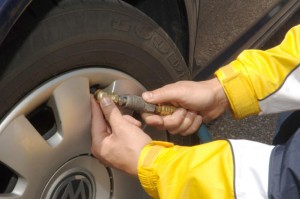
1: Tire Pressure Is the Easiest Way to Increase MPG
If I had to pick the single most overlooked way to increase MPG, it would be tire pressure. Most drivers never check it, and that mistake quietly drains fuel every mile you drive.
An underinflated tire flexes more as it rolls, which increases rolling resistance. That resistance forces the engine to work harder just to maintain speed. Running tires 5–7 psi below the recommended pressure—about 20 percent underinflated—can increase fuel consumption by up to 10 percent.
In real-world terms, that’s often 2–3 fewer miles per gallon. Over a year, that adds up to real money. Underinflation also shortens tire life and increases the risk of a flat, so this one habit pays off in multiple ways.
What’s that in terms of dollars? Underinflation costs you 2-3 miles per gallon, or .27/gallon to .41/gallon (gasoline price $2.75 and 20MPG).
Not only that, but “running underinflated also reduces the tire’s tread life,” said Bob Toth, Goodyear’s general manager, auto tires.
If that’s not enough, the Society of Automotive Engineers reports that 87 percent of all flat tires have a history of underinflation.
2: Spark Plugs Matter More Than Most People Think
Many drivers assume modern spark plugs last forever. Some do—but many engines, especially turbocharged engines, don’t get anywhere near 100,000 miles on a set.
Modern engines run hotter and leaner than older designs, which accelerates electrode wear. As spark plugs wear, the ignition system has to work harder, combustion efficiency drops, and fuel economy suffers. Replacing plugs at the correct interval is one of those tips to get better gas mileage that restores lost efficiency rather than creating new gains—but it still counts toward more miles per gallon.
3: Lose Weight to Get More Miles Per Gallon
Every extra pound your vehicle carries takes energy to move. I’m not talking about passengers—I’m talking about the stuff that lives in your trunk “just in case.”
Extra weight forces the engine to burn more fuel during acceleration and climbing. Cleaning out unnecessary cargo is a simple way to increase MPG, especially for city driving, where stop-and-go acceleration dominates fuel use.
4: Your Right Foot Has the Biggest Impact on MPG
Aggressive acceleration is one of the fastest ways to kill fuel economy. Flooring the gas pedal dumps fuel into the engine far faster than gentle acceleration ever will.
Smoother starts, earlier upshifts, and maintaining momentum are among the most effective ways to improve gas mileage, I know. You don’t have to drive like a rolling roadblock—just stop racing the traffic light. Your reward is immediate: more miles per gallon.
5: Use the Motor Oil the Engineers Specified
This one surprises a lot of people. Thicker oil does not protect better in modern engines—and it absolutely hurts fuel economy.
Engineers specify lighter-weight oils because they reduce internal friction. Heavier oil makes the engine work harder, run hotter, and burn more fuel. Using the recommended oil grade is a quiet but effective way to increase MPG, especially on newer vehicles designed around low-viscosity oils.
6: Cruise Control Really Does Save Fuel
When conditions allow, cruise control helps maintain a steady speed and throttle input—something humans are terrible at doing consistently.
Constant micro-adjustments with your foot waste fuel. Cruise control smooths it out and delivers better fuel economy, particularly on flat highways. It’s one of those tips for better gas mileage that works best at moderate speeds.
7: Electrical Accessories Cost Fuel
Every electrical accessory draws power from the alternator, which is driven by the engine. That means power isn’t free.
High-powered audio systems, heated seats, rear defrosters, and high blower speeds all increase engine load. Turning off accessories once you don’t need them is a subtle but real way to increase MPG over long drives.
8: Windows vs AC—Speed Matters
At highway speeds, open windows create aerodynamic drag that costs more fuel than running the air conditioner. Below about 40 mph, the opposite is true.
If you want more miles per gallon, use the AC on the highway and crack the windows around town if conditions allow. Aerodynamics matter far more than most drivers realize.
9: Don’t Warm Up Your Engine in Cold Weather
Modern engines don’t need long warm-ups. Idling to “warm the engine” wastes fuel and delays reaching efficient operating temperature.
The fastest way to warm up an engine is to drive it gently. Start the car, buckle up, clear the windshield, and go. This habit alone can increase MPG, especially during winter driving when cold starts are frequent.
10: Combine Trips for Better Gas Mileage
Cold engines are inefficient engines. Short trips where the engine never fully warms up burn more fuel than they should.
Combining errands into a single longer trip keeps the engine warm and running efficiently. This simple planning strategy is one of the most overlooked tips for improving gas mileage, and it consistently delivers more miles per gallon, particularly in cold climates.
Final Thoughts: Small Changes Add Up Fast
None of these habits alone will magically double your fuel economy. But when you stack them together, the gains are real. I’ve seen drivers increase MPG by 10–20 percent just by changing habits—no tools required.
If you want more miles per gallon, focus on reducing wasted energy. The car already knows how to be efficient—you just have to stop fighting it.
© 2012 Rick Muscoplat
Posted on by Rick Muscoplat