
Interference Engine vs Non Interference: The Risks You Can’t Ignore
Interference Engine vs Non Interference: The Critical Design Difference
Quick Summary
An interference engine is one in which the pistons and valves can’t occupy the same space in the cylinder at the same time. If they do, the valves will collide with the pistons, causing substantial engine damage costing several thousand dollars. Knowing whether your vehicle has an interference engine design is especially important if it uses a timing belt, because a broken timing belt or chain can destroy the engine.
Article
Interference Engine vs Non-Interference: The Real Difference
The easiest way I explain interference engine vs non-interference to vehicle owners is this:
If a timing belt breaks on a non-interference engine, the engine shuts off, and you coast to the side of the road. You replace the belt, and you’re usually back in business.
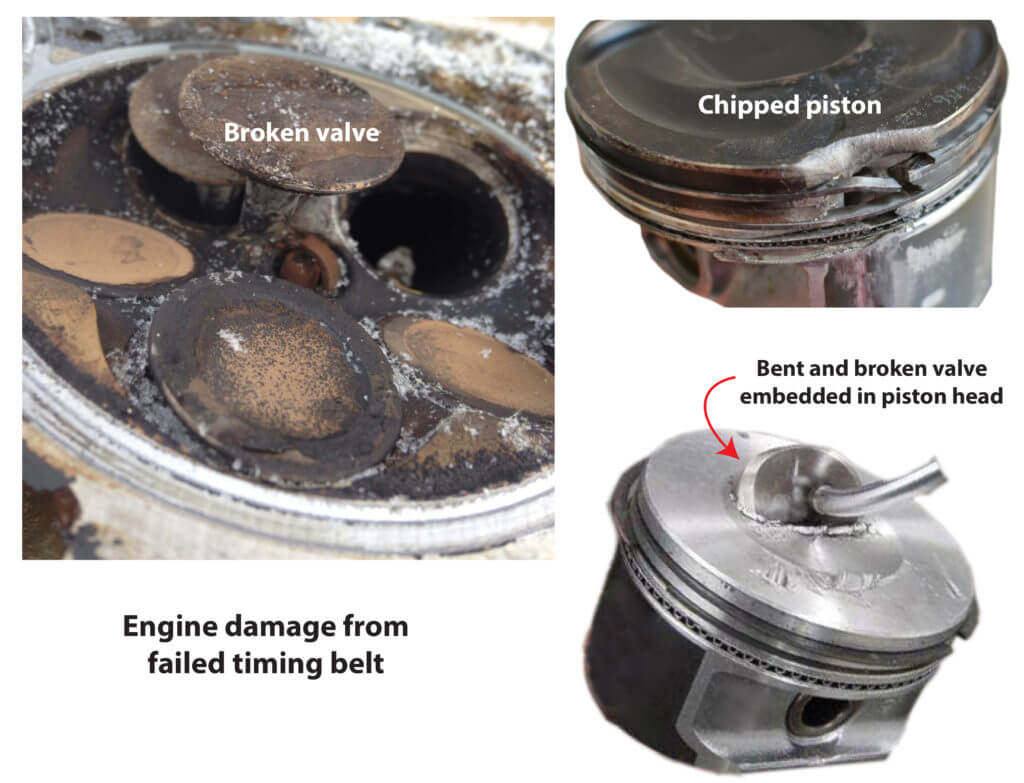
If a timing belt breaks on an interference engine, the engine shuts off, and internal damage happens instantly. Bent valves are almost guaranteed. Cracked pistons and damaged cylinder heads are common. Sometimes the engine is economically totaled.
That’s why the interference engine vs non interference distinction matters so much when it comes to maintenance discipline. The engine design doesn’t forgive neglect.
What an Interference Engine Really Is (And Why It Exists)
Interference engines require the pistons and valves to be timed correctly so the valves close just before the piston reaches the top of its stroke. That microscopic clearance is intentional.
If there’s such a risk of damage, why do carmakers use them?
Because they work better.
An interference engine allows for higher compression ratios, larger valves, and longer valve opening times. That translates into more power, better fuel efficiency, and lower emissions. Modern engines are designed to squeeze every bit of efficiency out of each combustion event, and interference designs enable that.
In other words, in the interference engine vs. non-interference trade-off, engineers chose performance and efficiency over mechanical forgiveness—and pushed the responsibility onto maintenance schedules.
The problem is that the engine depends entirely on the timing belt or timing chain to maintain that choreography. If timing is lost—even for a split second—the piston keeps moving while the valve is still open. That’s when metal meets metal.
This is the defining feature in the interference engine vs non interference discussion: one design gambles on perfect timing, the other builds in physical clearance as a safety net.
Timing Belts, Timing Chains, and Why They Matter More on Interference Engines
In older pushrod engines, the camshaft sat low in the block and used short chains or gears to stay synchronized with the crankshaft. Those engines were often non-interference by design.
Carmakers used either a timing chain or timing gears to link the crankshaft and camshaft. In those engines, the camshaft raised and lowered the valve lifters, which then moved the pushrods to open and close the valves at the top of the cylinder heads.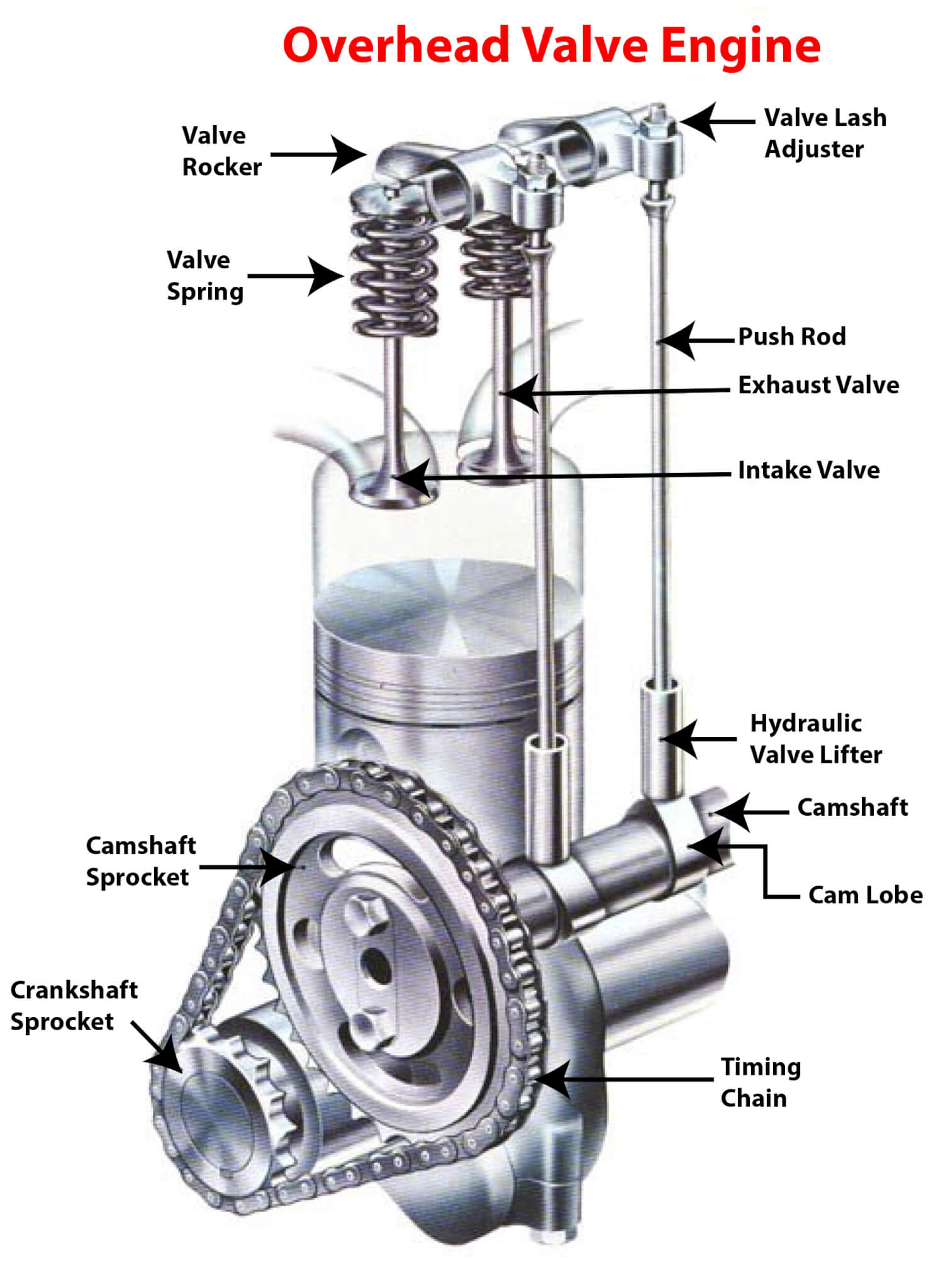
Pushrod engines lost some efficiency due to the movement of so many parts. So carmakers switched to overhead cams where the camshaft is mounted above the valves, eliminating push rods entirely. Placing the camshaft above the valves greatly increased the distance between the camshaft and the crankshaft, so engineers used a timing belt to connect the two shafts.
Once manufacturers moved to overhead cam layouts, the distance between the crankshaft and camshaft increased dramatically. That’s when timing belts became common. Belts are quiet, lightweight, and inexpensive—but they wear out.
In an interference engine, the timing belt isn’t just a wear item. It’s a structural safeguard. When it fails, the engine destroys itself internally before you even have time to react.
Timing chains tend to last longer, but they aren’t immortal. Chain stretch, guide failure, or tensioner collapse can cause the same catastrophic timing loss. Again, the interference engine vs non interference issue determines whether that failure is survivable.
Timing Belt Life: Why the Mileage Interval Isn’t Arbitrary
I’ve seen timing belts fail at 50,000 miles, and others still look decent at 120,000. Belt life depends heavily on engine design.
Some belts snake around multiple idler pulleys and water pumps, generating heat and stress. Oil or coolant leaks accelerate rubber degradation. Heat cycles harden the belt over time, even with low mileage.
That’s why interference engines often have conservative replacement intervals. On an interference engine, that interval is not a suggestion—it’s damage prevention.
When people argue about interference engines vs. non-interference, this is the moment that matters most. Miss the belt service on one design, and you’re inconvenienced. Miss it on the other and you’re shopping for an engine.
Advantages and disadvantages of a timing belt
A timing belt is less costly than a timing chain and runs much quieter. It also doesn’t require lubrication like a chain, eliminating the need for a timing belt cover gasket. But unlike a timing chain, timing belts don’t last the life of the engine and must be replaced at regular intervals. The rubber used in timing belts deteriorates over time and can break if not changed at the recommended mileage. In an interference engine, a broken timing belt can cause major engine damage, costing thousands of dollars.
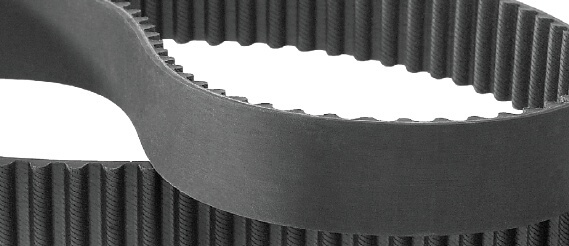
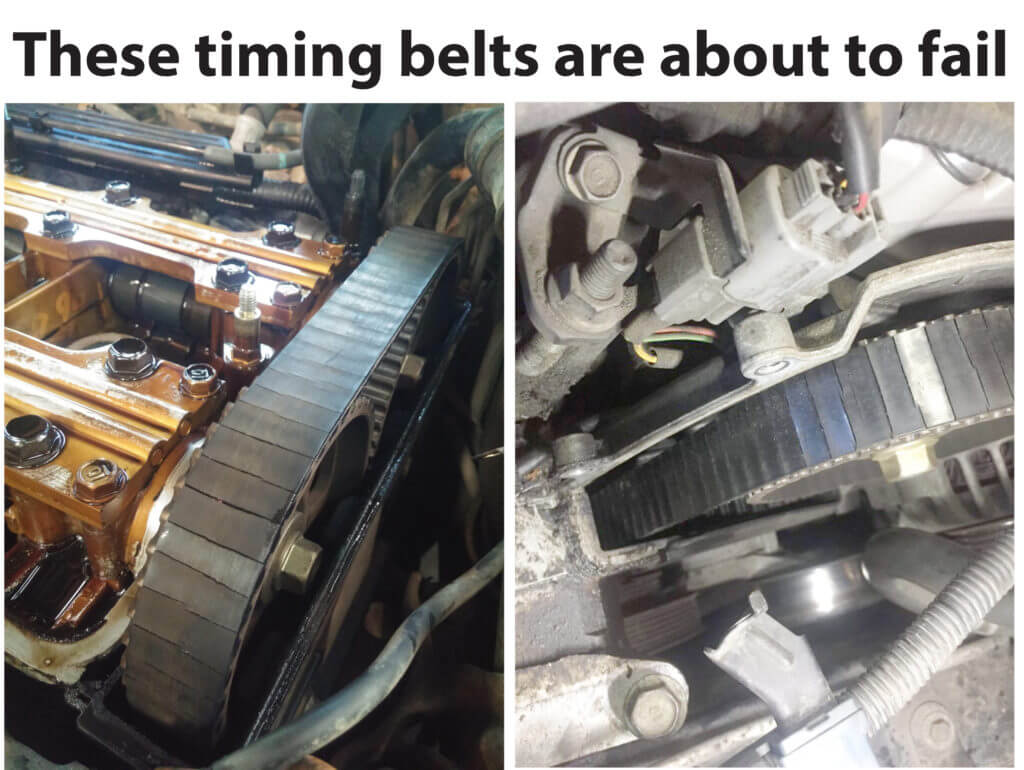
These images show worn out timing belts that could fail and cause major engine damage to an interference engine
Not all timing belt engines are interference designs. If a timing belt fails in a non-interference engine, the engine will die, but no mechanical damage will occur.
For more information on when to change your timing belt, see this post
Examples of damage from a failed timing belt
What Vehicle Owners Need to Know Before It’s Too Late
If you own a vehicle with an interference engine, timing maintenance is the most important service the engine will ever receive. Skipping it doesn’t just increase risk—it guarantees failure.
If you’re buying a used vehicle, always find out where it falls in the interference vs. non-interference engine category, and demand proof of timing belt replacement. No records? Assume it hasn’t been done and budget accordingly.
I’ve watched countless engines die simply because an owner didn’t know what an interference engine was. A little knowledge here saves thousands of dollars later.
Final Thoughts From the Shop Floor
The interference engine isn’t a bad design—it’s a high-performance design with zero tolerance for neglect. Understanding the difference between the interference engine and non-interference lets you make smarter maintenance decisions, smarter used-car purchases, and smarter repair calls.
Treat the timing system like the critical component it is, and an interference engine can run reliably for hundreds of thousands of miles. Ignore it, and the engine will eventually remind you—loudly and expensively.
©, 2020 Rick Muscoplat
Posted on by Rick Muscoplat