
Motor Oil Analysis Explained: What Your Oil Is Telling You
How Motor Oil Analysis Detects Hidden Engine Problems
Quick Summary
• Motor oil analysis is the most accurate way to determine oil condition, not mileage intervals.
• Oil life depends primarily on heat and contamination, especially fuel dilution.
• Factory oil life monitors are helpful, but motor oil analysis reveals problems they can’t detect.
• Short trips, cold operation, and dirty fuel are major causes of premature oil failure.
• Using motor oil analysis allows you to extend oil change intervals safely and detect engine issues early.
The Truth About Motor Oil Analysis: How I Actually Determine Oil Life (Not Guess It)
I’ll say this right up front—if you’re still changing oil based strictly on mileage or time, you’re guessing. And in today’s world of expensive engines and complex fuel systems, guessing is the fastest way to waste money or shorten engine life.
Sending oil samples in for oil analysis is far more accurate. It’s not just a lab test—it’s a diagnostic tool that tells youe exactly what’s happening inside an engine.
And once you understand how motor oil analysis works, you’ll never look at oil changes the same way again.
Why Motor Oil Analysis Matters More Than Ever
Let me put this in perspective. Vehicles today are no longer disposable. A fully loaded truck can cost as much as a house did years ago. That means your engine isn’t just transportation—it’s an asset. And the best way I know to protect that asset is motor oil analysis.
What Actually Breaks Down Engine Oil
Motor oil doesn’t just “wear out” randomly.
It fails for two primary reasons:
• Heat (Oxidation) — Heat causes oxidation—the chemical breakdown of oil. The hotter the engine runs, the faster this happens. In fact, oxidation rates roughly double with every temperature increase.
• Contamination (The Real Killer) — Contamination is the bigger issue—and the one most people underestimate. Fuel dilution, moisture, dirt, and combustion byproducts all enter the oil. And once contamination builds up, oil loses its ability to lubricate and protect. Fuel contamination is one of the biggest enemies of engine oil.
The Sludge Factor
When you drive extremely short trips—about one mile at a time—in cold weather. The engine never warms up fully.
That causes:
• Increased blow-by (fuel entering the crankcase)
• Moisture buildup
• No evaporation of contaminants
The result? Severe sludge buildup in under 3,000 miles.
That’s a perfect example of why motor oil analysis is critical—because mileage alone doesn’t tell the full story.
How Oil Life Monitors Work (And Their Limits)
Modern vehicles use oil life monitoring systems, many of which were originally developed by General Motors engineers.
These systems track:
• Engine revolutions
• Temperature extremes
• Driving patterns
They estimate oil degradation using algorithms based on real-world testing. They’re fairly accurate, but they don’t measure oil condition.
So, they can’t detect:
• Fuel dilution
• Silicon contamination (dirt ingestion)
• Coolant leaks
• Abnormal wear metals
That’s where motor oil analysis comes in.
What Motor Oil Analysis Reveals That Your Car Can’t
Here’s what motor oil analysis tells you:
1. Fuel Dilution — One of the most common 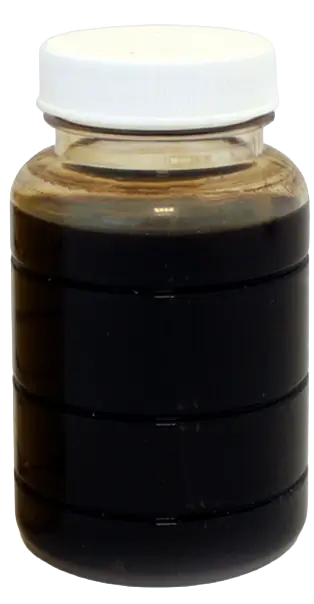 problems I see. Dirty or failing injectors cause excess fuel in the oil, reducing viscosity and increasing wear. In addition, short trips in cold weather also cause fuel dilution due to the rich starting mixtures and short drives.
2. Wear Metals — Iron, aluminum, copper—these tell me exactly which components are wearing and how fast.
3. Contamination — Silicon (dirt), coolant, and water all show up clearly in a motor oil analysis report.
4. Additive Health — An oil analysis determines if the oil’s additive package is depleted or still performing.
5. Viscosity Changes — If oil thickens or thins, an oil analysis will detect that right away.
This level of insight is impossible without motor oil analysis.
Dirty Fuel: The Hidden Problem Most People Miss
Here’s something most drivers—and even some techs—don’t fully appreciate:
Fuel quality varies widely
Fuel at retail pumps can contain millions of particles per liter, far above what modern injectors can tolerate.
That contamination leads to:
• Injector deposits
• Poor atomization
• Increased fuel dilution
• Accelerated engine wear
Motor oil analysis lets you catch that before it turns into a major repair.
How To Use Motor Oil Analysis in Practice
When I apply motor oil analysis to a vehicle, here’s my approach:
• Establish a baseline sample
• Monitor trends over time
• Adjust oil change intervals based on actual data
• Identify developing issues before failure
This turns maintenance from reactive to proactive.
Here’s Why You Should Use Motor Oil Analysis on Your Daily Driver
• Modern engines are expensive
• Fuel systems are sensitive
• Oil change intervals vary widely
• Driving habits drastically affect oil life
• Motor oil analysis gives you control over all of that.
Final Thoughts: Stop Guessing—Start Testing
Motor oil analysis removes uncertainty about how often you should change your oil based on your driving habits.
It tells you:
• When to change your oil
• Whether your engine is healthy
• If a problem is developing
And in my experience, that’s one of the most valuable tools you can use to protect your vehicle.
©, 2026 Rick Muscoplat
Posted on by Rick Muscoplat