
Oil light comes on but oil is full: What it means
Steps to take when your oil light comes on but your oil is full
When the oil light on your car’s dashboard illuminates, it typically signals a potential issue with the engine’s oil system. That can be due to a low oil level, low oil pressure, or a faulty oil pressure sensor. This warning can be alarming, especially if you’ve recently checked and confirmed that the oil level is full. The oil light is a critical alert designed to prevent serious damage to your engine, so understanding what it means and how to respond is essential.
Possible Causes of the Oil Light Coming On
Faulty Oil Pressure Sensor
One of the most common reasons for the oil light to come on, even when the oil level is full, is a faulty oil pressure sensor. This sensor monitors the oil pressure in the engine and sends a sign

LOW OIL PRESSURE
al to the dashboard if it detects a problem. Over time, sensors can wear out or become damaged, leading to false warnings. If the sensor is malfunctioning, it may trigger the oil light even if there is no actual issue with the oil pressure.
Oil Pump Problems
The oil pump is responsible for circulating oil throughout the engine. If the oil pump fails or is not functioning properly, it can result in low oil pressure, triggering the oil light. Even if the oil level is adequate, the engine may not be receiving enough lubrication, which can lead to serious damage if not addressed promptly.
Clogged Oil Filter
A clogged or dirty oil filter can restrict the flow of oil through the engine, reducing oil pressure. The oil filter’s job is to remove contaminants from the oil, but if it becomes too clogged, it can impede oil flow and cause the oil light to come on. This is more likely if the oil filter has not been replaced according to the manufacturer’s recommended maintenance schedule.
Oil Pressure Issues
Even with a full oil level, the oil pressure in the engine can drop due to factors such as a leak, excessive engine wear, or internal engine damage. Low oil pressure can prevent the engine’s moving parts from receiving adequate lubrication, leading to increased friction and potential damage.
Electrical or Wiring Issues At The Oil Pressure Sensor
Electrical problems, such as faulty wiring or connections, can also cause the oil light to come on. This can be due to a short circuit, corrosion, or a loose connection in the wiring that leads to the oil pressure sensor. Sometimes, the problem may be as simple as a blown fuse.
What to do when the oil light comes on?
PULL OVER and TURN OFF THE ENGINE IMMEDIATELY. I’m not kidding. Whether you’re low on oil or have a bad oil pump or oil pressure sensor, the first thing to do is PREVENT engine damage by shutting off the engine. Oil starvation, even for just a minute, can cause serious and very expensive engine damage. Pulling off the shoulder and turning on your hazard lights versus driving to the next exit can mean the difference between a small service call to refill oil versus a totally seized engine costing well over $4,000.
Once you pull over, shut off the engine and
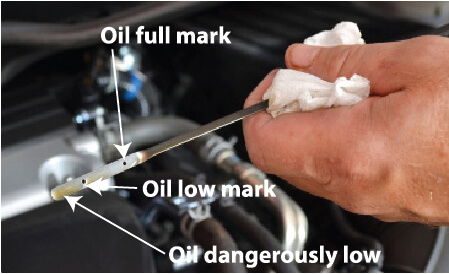
Check the oil level with the dipstick
let the engine rest for a few minutes. That’ll allow oil in the upper portion of the engine to drain down to the sump. Then remove the dipstick. Wipe it clean with a rag and reinsert it fully into the dipstick tube. Then, pull it out again and read the oil level. If there’s no oil on the dipstick, you cannot drive your vehicle to buy more oil. Call a friend to bring you more oil or a tow truck and tell them you’re stopped, and the dipstick reads no oil.
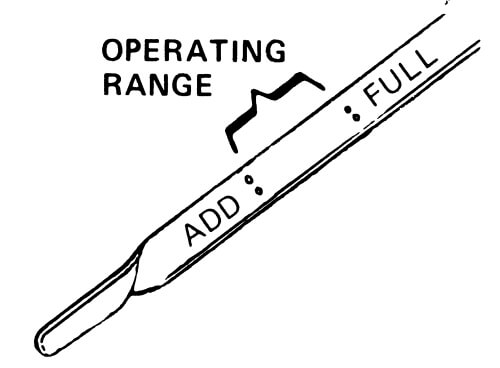
Oil must be within the marks.
I’ve seen way too many people encounter catastrophic engine failure because they tried to drive their cars to the nearest convenience store to buy oil.
Remember this:
A tow is always cheaper than a new engine.
What does engine oil pressure do?
Engines need a minimum amount of oil pressure
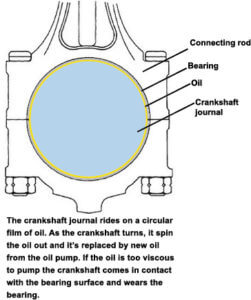
Oil pressure prevents metal parts from touching
to circulate oil throughout the engine. Plus, oil pressure keeps the crankshaft centered between the crankshaft bearings, and the camshaft centered between the camshaft bearings. Oil pressure keeps the hydraulic lifters filled with oil to operate the intake and exhaust valves properly. Proper oil pressure is also critical to the operation of variable valve timing devices, and it’s SUPER critical to the operation of high-pressure fuel pumps used on gasoline direct injection engines.
What makes the oil light come on?
1) A Low oil level can cause the oil light to come on
In this case, the oil pump starts sucking air, and that can cause a severe drop in pressure. The oil pressure sensor detects a drop in pressure below 7 psi. and illuminates the oil light to warn you of a dangerous condition.
2) Worn engine parts can make the oil light come on
If you’ve neglected routine oil changes and caused excessive engine wear, the clearances between rotating metal parts may be so large that the oil pump can’t maintain enough oil pressure to prevent metal to metal contact. So, even though the oil pump is pumping enough oil to theoretically achieve proper oil pressure, the excessive clearances prevent the pump from reaching and maintaining the proper oil pressure.
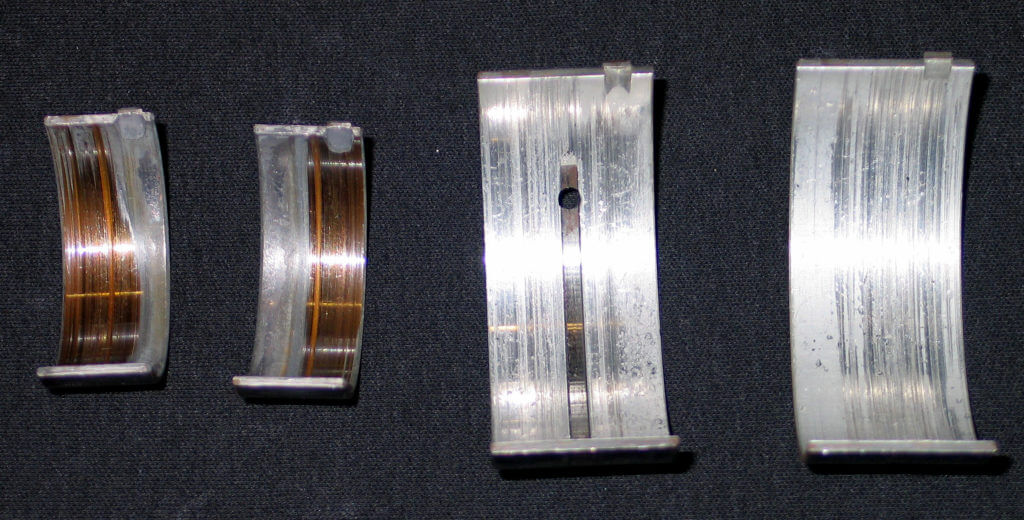
Worn engine bearings
3) A worn oil pump can make the oil light come on
If you’ve neglected routine oil changes and caused excessive engine wear, you’ve also caused excessive wear inside the oil pump.
4) The wrong oil filter can make the oil light come on
Oil filters are year, make, model, and engine-specific. If you use the wrong oil filter, it can impede oil flow and cause the oil light to illuminate.
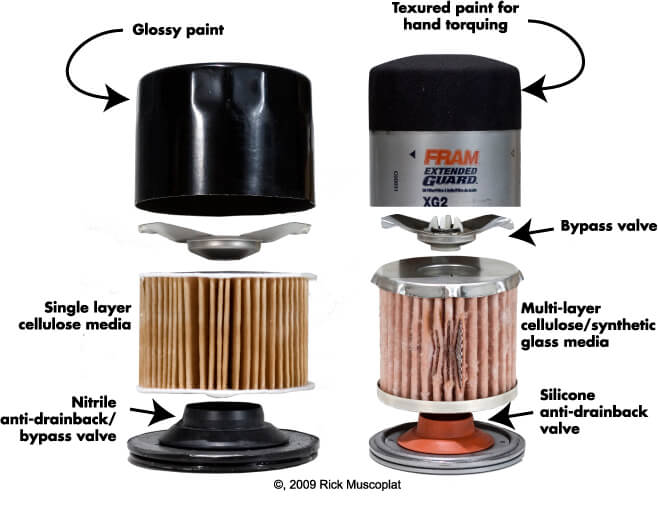
Economy oil filter with a nitrile anti-drain back valve versus e a premium filter with a silicone anti-drain back valve
Even if the oil filter is specified for your engine, some filter manufacturers have been found liable for engine damage caused by using the wrong filter media. If your car or truck was running fine before you changed your oil filter and the oil light came on right after the oil change, the filter may be the cause.
5) Wrong oil viscosity can cause the oil light to come on
Oil pressure is defined as resistance to flow. One pump can pump 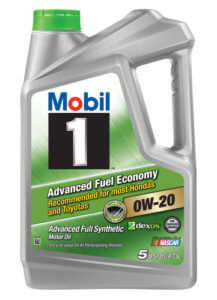 two different liquids into the same size passage and reach two different pressures. Water, because it’s so viscous, may reach a much lower pressure than a 30-weight engine oil. So, using the wrong oil viscosity can affect oil pressure and light up your oil light.
©, 2017 Rick Muscoplat
Posted on by Rick Muscoplat