
P0013 and P0014: Fixing Two Common Camshaft Codes
Advanced Guide to P0013 and P0014 Trouble Codes
Modern vehicles are equipped with sophisticated engine management systems that monitor and control various parameters to ensure optimal performance and emissions. When something goes wrong, the system generates trouble codes that can be read using a diagnostic scan tool. Two common trouble codes related to the engine’s variable valve timing (VVT) system are P0013 and P0014. This article explores what these codes mean, their causes, symptoms, and potential solutions.
What are P0013 and P0014 codes?
• P0013 “B” Camshaft Position – Actuator Circuit (Bank 1)— This code indicates an issue with the camshaft position actuator circuit for the exhaust camshaft on bank 1. The actuator adjusts the camshaft timing to optimize engine performance and efficiency.
• P0014 “B” Camshaft Position – Timing Over-Advanced or System Performance (Bank 1)— This code signifies that the exhaust camshaft timing on bank 1 is over-advanced. Essentially, the camshaft is not in the position expected by the engine control unit (ECU) based on current operating conditions.
The Most Common Causes of P0013 and P0014 codes
Understanding the causes of these trouble codes is crucial for diagnosing and fixing the underlying issues. Here are the common causes for both codes:
Dirty or Sludged Oil— The VVT system relies on clean oil to function correctly. Dirty or sludged oil can clog the tiny passages within the actuator and phaser, leading to improper camshaft timing adjustments. Regular oil changes are essential to prevent this issue. COMMON
Faulty Camshaft Position Actuator— The camshaft position actuator, also known as the VVT solenoid, is responsible for controlling the flow of oil to the camshaft phaser, which adjusts the camshaft timing. If the actuator is defective, it may not correctly adjust the camshaft, leading to either of these trouble codes. COMMON
Oil Control Valve (OCV) Malfunction— The oil control valve regulates the flow of oil to the camshaft phaser. If the OCV is malfunctioning, it can cause incorrect timing adjustments, triggering the P0014 code. COMMON
Electrical Issues— Wiring problems, such as damaged wires, poor connections, or a faulty actuator circuit, can lead to trouble codes P0013 and P0014. Electrical issues can prevent the actuator from receiving the correct signals from the ECM. LESS COMMON
Timing Chain or Belt Issues— Problems with the timing chain or belt, such as excessive wear or incorrect installation, can cause the camshaft timing to be out of sync, resulting in P0013 or P0014 codes. LESS COMMON
ECM Problems— Although less common, a malfunctioning ECU can send incorrect signals to the camshaft position actuator, leading to these trouble codes. RARE
Symptoms of P0013 and P0014
Check engine light
Rough Idling
Poor Acceleration
Reduced Fuel Efficiency
Engine Stalling or Hesitation
Increased Emissions
How to Diagnose the P0013 and P0014 codes
Diagnosing these trouble codes involves a series of steps to identify the root cause. Here’s a general diagnostic procedure:
Visual Inspection— Perform a visual inspection of the wiring and connectors related to the camshaft position actuator and oil control valve. Look for signs of damage, corrosion, or loose connections.

Oil in the electrical connector of the VVT solenoid
Check Oil Condition— Inspect the engine oil for cleanliness and proper levels. Dirty or low oil can affect the VVT system’s performance.
Test the VVT solenoid— Using a multimeter, check the resistance of the camshaft position actuator. Compare the readings with the manufacturer’s specifications to determine if the actuator is functioning correctly.
Inspect the OCV— Test the oil control valve to ensure it operates correctly. If it’s malfunctioning, it may need to be cleaned or replaced.
Check Timing Components— Inspect the timing chain or belt for wear and proper alignment. Ensure the timing marks are correctly aligned according to the manufacturer’s specifications.
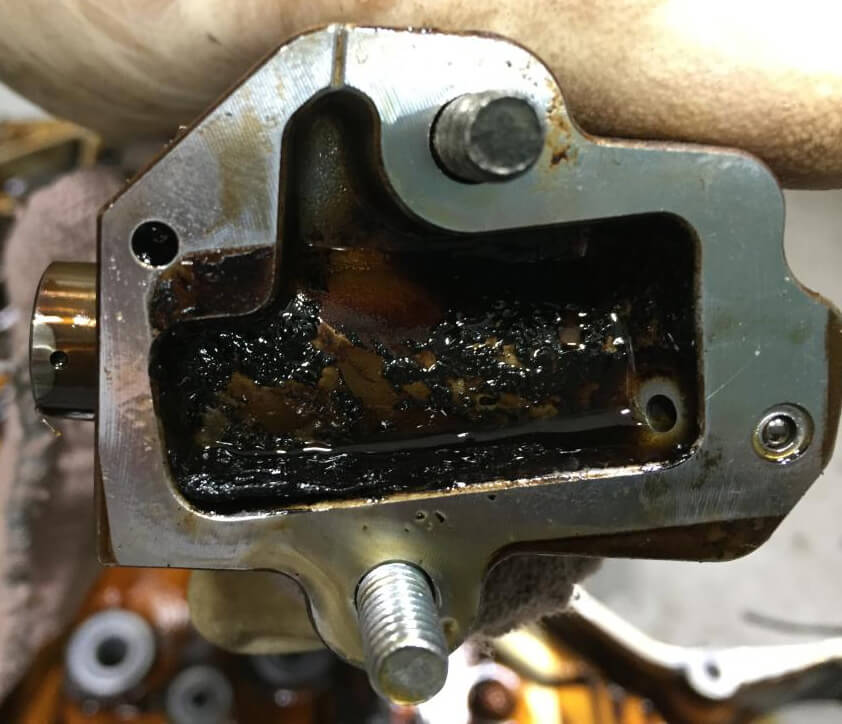
Sludge in VVT oil control solenoid screen
Solutions for P0013 and P0014
Once the root cause is identified, appropriate repairs can be made to resolve the issue. Here are common solutions:
Replace the VVT solenoid— If the solenoid is clogged or faulty, replacing it can resolve
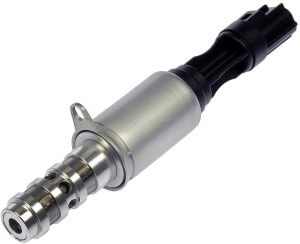
Actuator solenoid
the issue. Ensure the new actuator is correctly installed and connected.
Repair Wiring and Connectors— Fix any damaged wiring or poor connections. Ensure all electrical components related to the VVT system are secure and functioning.
Perform an Oil Change— If dirty or sludged oil is the cause, perform an oil change using the recommended oil type and viscosity for your vehicle.
Replace or Clean the OCV— If the oil control valve is malfunctioning, it may need to be cleaned or replaced to ensure proper oil flow to the camshaft phaser.
©, 2019 Rick Muscoplat
Posted on by Rick Muscoplat