
P2015 VW Code Explained: Causes and the Best P2015 Fix
How to Perform a P2015 Fix
Quick Summary
The P2015 VW code is one of the most common diagnostic trouble codes found on Volkswagen engines, especially the 2.0L TDI and some 2.0L TSI models. The code indicates a problem with the intake manifold runner position sensor or flap mechanism, meaning the engine computer is seeing a position reading outside the expected range. In most cases, the issue is not electrical but mechanical, caused by wear in the intake manifold runner linkage that allows the actuator arm to travel too far, triggering the fault.
The good news is that this problem rarely causes catastrophic damage. However, it will illuminate the check engine light and may affect engine performance or emissions. The most common P2015 fix is installing a small bracket that limits actuator movement, preventing the sensor from going out of range. In some cases, the intake manifold must be replaced if the internal flaps are damaged.
Article
Understanding the P2015 VW Code
Volkswagen engines use an intake manifold runner control system to improve engine performance, fuel economy, and emissions. Inside the intake manifold are small flaps that change the airflow path into the engine.
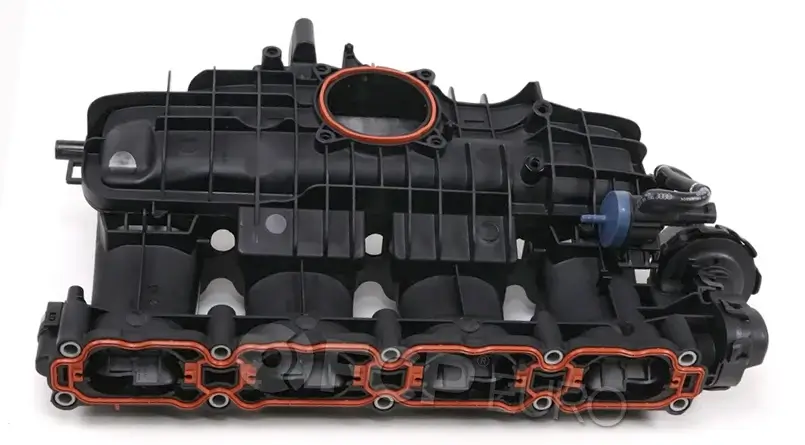
At lower engine speeds, the flaps partially close to create turbulence in the intake air. This improves fuel atomization and combustion efficiency. At higher RPMs, the flaps open fully to allow maximum airflow for power.
The engine control module constantly monitors the position of those flaps using a position sensor. When the sensor reports a value outside the expected range, the computer sets the P2015 VW code, which stands for: Intake Manifold Runner Position Sensor/Switch Circuit Range/Performance (Bank 1).
Simply put, the engine computer commanded the intake runner to move to a certain position, but the sensor reported something different.
Symptoms of a P2015 VW Code
In many cases, the only symptom of a P2015 VW fault is the check engine light. However, depending on how severe the problem is, you may notice additional issues. Common symptoms include:
• Check engine light
• Reduced engine power
• Poor fuel economy
• Rough idle or hesitation
• Occasional limp mode
Many vehicles continue to drive normally even with the fault present, which is why the code often goes unnoticed until a scan tool reveals it.
The Most Common Cause of a P2015 VW Code
After diagnosing hundreds of intake manifold problems, I can tell you that the overwhelming majority of P2015 VW faults come from a simple mechanical issue.
VW uses a vacuum actuator to move the linkage, and the actuator rarely fails. The intake runner actuator arm moves along a stop point built into the intake manifold. Over time, the plastic stop tab inside the manifold wears or breaks. In other words, the linkage is a high failure point due to exposure to heat, aging, and chemicals under the hood.
VW uses a strong spring to return the linkage to the home position. As the plastic ages, the spring can break the linkage.
When that happens, the actuator arm travels farther than it should. The position sensor then reports a reading outside the programmed limits, and the engine computer sets the P2015 VW code. This is essentially a design flaw in certain Volkswagen intake manifolds.
Because the system still functions, the code is triggered purely because the sensor reading is out of range.
Other Possible Causes
Although linkage wear is the most common cause, several other issues can trigger the code.
• Carbon Buildup
• Gasoline direct injection engines are prone to heavy carbon deposits on intake valves and runners. Excess carbon can restrict flap movement, which may cause the P2015 VW fault.
• Failed Intake Runner Position Sensor — The sensor that reports flap position can fail electrically. This is less common but still possible.
• Broken Intake Runner Flaps — In rare cases, the flaps themselves break or jam, preventing proper movement.
• Faulty Actuator Motor — Some Volkswagen engines use an electric motor to control the intake runners. If the motor fails, the system cannot move the flaps properly.
How to Diagnose a P2015 VW Code
Proper diagnosis prevents unnecessary parts replacement. The first step when troubleshooting a P2015 VW code is to confirm the fault with a scan tool.
Step 1: Scan for Codes — Use a diagnostic scanner to verify the presence of the P2015 VW code and check for additional intake runner codes.
Step 2: Inspect the Intake Manifold Linkage — Locate the intake runner actuator arm on the intake manifold. Manually move the linkage and check for excessive travel or looseness. In many cases, you will immediately see that the arm moves beyond its intended stop point.
Step 3: Monitor Sensor Data — With a scan tool, monitor the intake runner position sensor readings while commanding the actuator. If the sensor value goes outside the expected range, it confirms the P2015 VW condition.
Step 4: Check for Carbon Buildup — If the linkage appears normal, inspect the intake manifold for heavy carbon deposits that may restrict flap movement.
The Most Effective P2015 Fix
The factory repair procedure often recommends replacing the entire intake manifold. This repair can cost anywhere from $700 to $1,200, depending on the vehicle. Fortunately, there are some other options to fix the P2015 code.
Install a linkage-limiting bracket — Many technicians install a P2015 repair bracket (about $10), a small metal bracket that limits the actuator arm’s travel. This bracket prevents the linkage from moving beyond the sensor’s expected range. Once installed, the bracket restores proper operation and eliminates the P2015 VW fault.
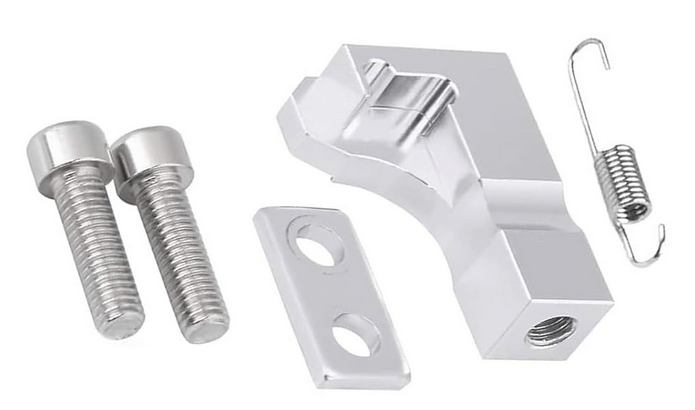
The installation process is straightforward:
Locate the intake runner actuator arm
• Install the repair bracket over the linkage
• Tighten the mounting screws
• Clear the fault code
• In most cases, this simple P2015 fix permanently resolves the issue.
Replace the intake manifold with an updated design
While the bracket repair solves most cases, there are situations where replacement is necessary.
You may need a new intake manifold if:
• The internal flaps are broken
• The actuator motor has failed
• The intake manifold shaft is seized
• Heavy carbon buildup prevents movement
In those situations, the bracket P2015 fix will not solve the underlying problem.
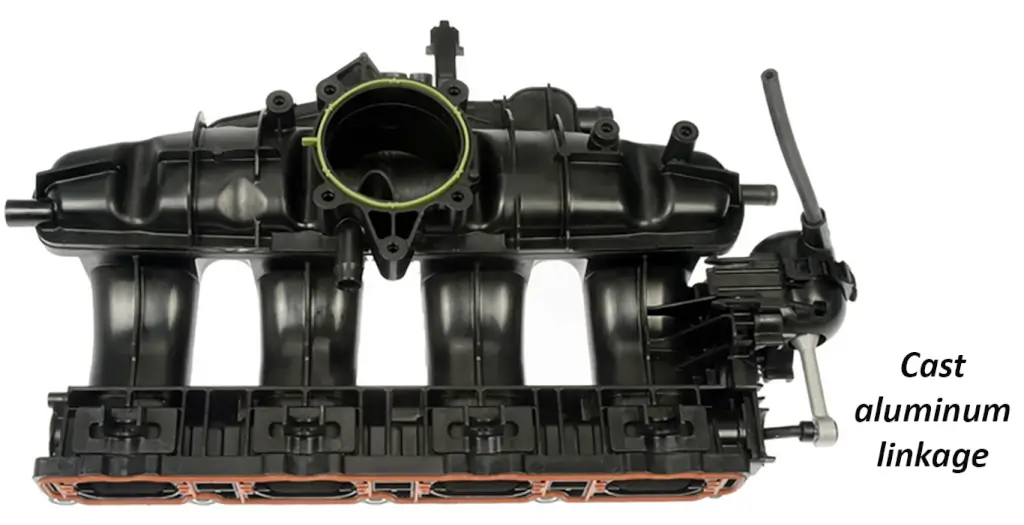
Dorman Products offers an updated intake manifold that permanently solves the linkage problem. Dorman upgraded the manifold with a cast aluminum runner actuator linkage that outlasts the original design. The Dorman manifold allows you to reuse the original IMRC sensor. The sensor rarely fails, so it makes sense to transfer it to the new manifold.
Why the P2015 Fix Works
The reason the bracket P2015 fix is so effective is that the code is triggered by excessive actuator travel, not by an actual airflow failure. By limiting movement, the bracket keeps the sensor reading within the calibrated range expected by the engine computer.
Or, the Dorman manifold eliminates the linkage problem entirely by upgrading from plastic to metal.
Final Thoughts
The P2015 VW code is extremely common on Volkswagen engines and is usually caused by wear in the intake manifold runner linkage. Fortunately, diagnosing the problem is straightforward, and the repair is often simple.
In most cases, installing a repair bracket provides an inexpensive and permanent P2015 fix, eliminating the check engine light without replacing the entire intake manifold.
©, 2026 Rick Muscoplat
Posted on by Rick Muscoplat