
Pre-purchase inspection— Part 3 Buying a used car
Pre-purchase inspection — Why you need one before buying a used car
Unless you’ve had the vehicle up on a lift, inspected the underside
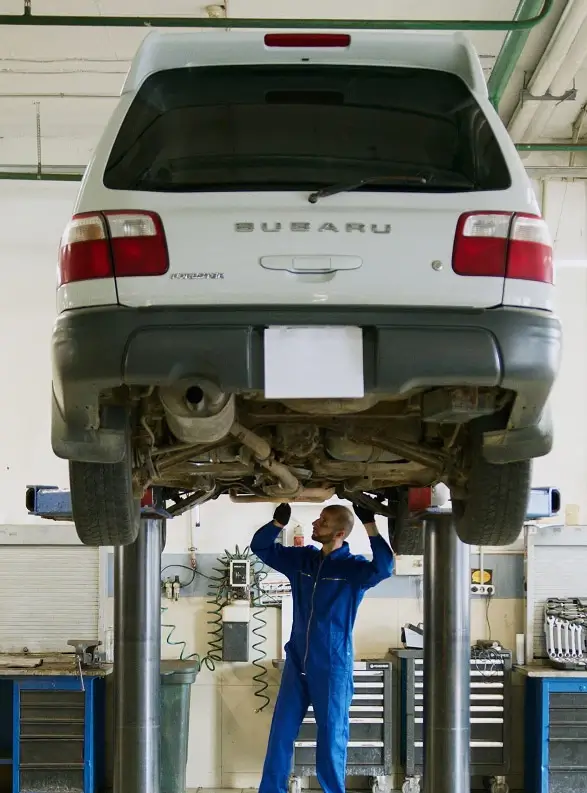
A pre-purchase inspection involves a full under vehicle check for rust damage
for frame and suspension rust, and run a full scan tool read for recently erased trouble codes, you haven’t properly inspected a used car. I’d don’t care how long you’ve been kicking tires on used cars, on modern vehicles, you can’t possibly know the condition until you’ve connected and read a scan tool or had it up in the air to check the underside. If you don’t have access to a lift or a good scan tool, getting a pre-purchase inspection is mandatory.
What do they check on a pre-purchase inspection?
Once the shop has it up on the lift, they check for all these things:
• CV boot condition
• Steering linkage condition
• Ball joint and control arm condition
• Strut, shock, and spring condition
• Engine oil leaks
• Signs of rust through on critical frame components.
• Signs of cooling system leaks.
• Brake and rotor condition
• Tire tread depth, wear, and condition
A pre-purchase inspection includes a scan tool check for trouble codes, bad live data, and readiness monitors
Unscrupulous sellers often clear trouble codes to make it look like the vehicle is in good condition. That also resets all the readiness monitors. If you don’t check those, you could find yourself with trouble codes within a week of buying the vehicle.
A scan can spot recent code clearing and live data that signifies an upcoming problem.
They check the engine compartment for signs of needed replacement parts
• Air filter
• Ignition parts
• Cooling system condition and oil leaks
• Engine oil dipstick and condition
• Transmission fluid level and condition
• Coolant level and condition
• Brake fluid level and condition
A pre-purchase inspection should include a test drive
The tech will check for
Good start and idle
Good acceleration
Good braking
Steering — responsive with no play
Ability to stay in its own lane
Comfort and stopping ability of struts and shocks
Shift quality, downshift, delays, flares
AC and heat operation.
© 2022 Rick Muscoplat
Posted on by Rick Muscoplat