
Regular Versus Premium Gas: The Truth No One Explains
The Real Difference Between Regular Versus Premium Gas
Quick Summary
The difference between regular versus premium gasoline has nothing to do with power, burn speed, or “detergent.” It comes down to octane and knock resistance. Premium fuel is only necessary for engines that require it. If your engine is designed for regular use, using premium is usually just wasted money.
Article
Regular Versus Premium: Why This Question Never Seems to Die
Every time I pull up to a gas pump, I’m reminded why the debate over regular versus premium gasoline refuses to go away. You’re staring at two nozzles, one clearly more expensive than the other, and you can’t help but wonder if premium gas is somehow better for your engine. Over the years, I’ve heard everything from “premium burns slower” to “premium cleans your engine better than regular” to “premium gives you more power.”
The reality is far less mysterious—and far less magical—than the marketing makes it seem. Once you understand what octane actually does, the whole regular versus premium discussion becomes much easier to sort out.
What Actually Separates Regular Versus Premium Gasoline
The only meaningful difference between regular versus premium gasoline is each fuel’s octane rating. Octane is simply a fuel’s resistance to abnormal combustion—specifically, pre-ignition and detonation.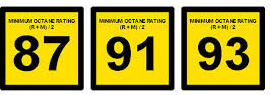
Regular gasoline is typically rated at 87 octane, while premium gasoline is usually rated at 91 to 93 octane, depending on where you live. That higher octane rating doesn’t mean more power or more energy. It means the fuel can withstand higher pressure and heat without self-igniting.
That distinction matters in certain engines, but in many others, it doesn’t matter at all.
Pre-Ignition and Detonation: Where the Confusion Begins
Much of the confusion surrounding regular versus premium stems from a misunderstanding of how engines actually burn fuel. Under normal conditions, the spark plug fires, and a single flame front travels smoothly across the combustion chamber. That controlled burn pushes the piston down and produces power.
Problems start when combustion happens out of sequence.
Pre-ignition occurs when the air-fuel mixture ignites before the spark plug fires. This is usually caused by glowing hot carbon deposits or
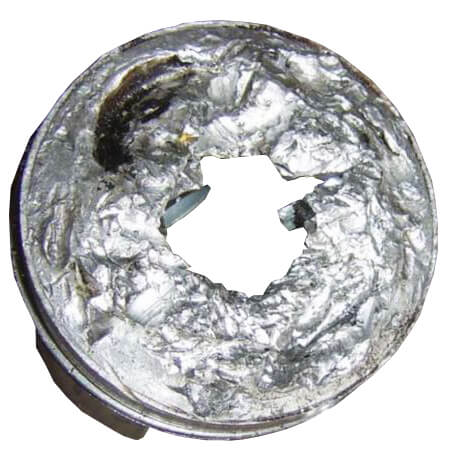
Piston damaged caused by the high heat of pre-ignition
extreme heat during compression. Pre-ignition creates extreme temperatures that can literally melt pistons and damage bearings.
Detonation happens after the spark event. As the flame front expands, pressure and temperature rise so quickly that pockets
of unburned fuel spontaneously ignite elsewhere in the cylinder. Those multiple flame fronts collide, creating shock waves you hear as knock.
This is where regular versus premium becomes important—because octane helps prevent that spontaneous self-ignition under pressure.
What detonation does to an engine
The spontaneous ignition of pockets of fuel causes shock waves in the cylinder that 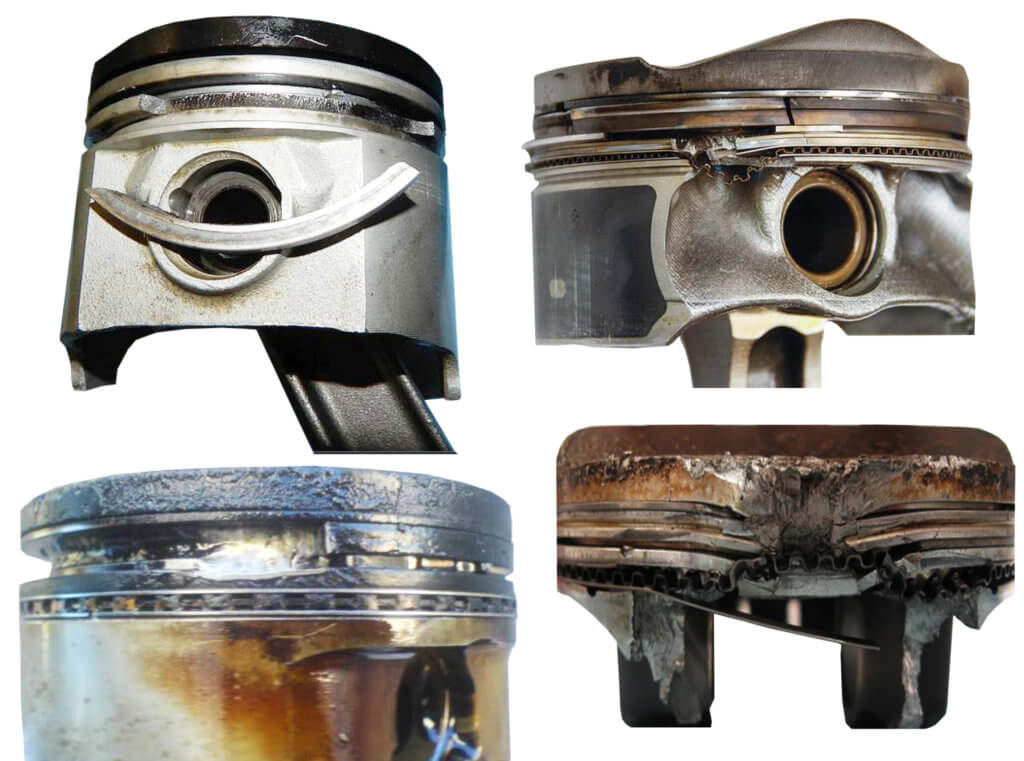 damage the edges of the piston rings and lands.
Why Premium Gas Isn’t More Powerful
One of the biggest myths I hear is that premium gas somehow contains more “power.” It doesn’t. From an energy standpoint, premium and regular gasoline are nearly identical. The BTU content may vary slightly from one refiner to another, but not enough to matter.
In other words, premium fuel doesn’t make your car faster just because it costs more. The entire regular versus premium debate falls apart the moment you realize octane has nothing to do with horsepower by itself.
What premium fuel does is allow certain engines to operate as designed—nothing more.
Engines That Truly Need Premium Gas
Engines that require premium fuel typically have higher compression ratios, turbochargers, or superchargers. Those designs create higher cylinder pressures, which increase the risk of detonation.
In these engines, regular versus premium isn’t optional. If the manufacturer requires premium, using regular fuel forces the engine computer to step in. The knock sensor detects abnormal combustion, and the ECM retards ignition timing to protect the engine.
That protection comes at a cost. Power drops, fuel economy suffers, and long-term wear increases. In extreme cases, continued knock can still cause internal damage.
So when premium is required, it’s not marketing—it’s engineering.
Why Premium Gas Usually Does Nothing in Regular Engines
Here’s the part many people don’t want to hear: if your engine is designed for regular fuel, premium offers no benefit. The combustion chamber design, compression ratio, and timing maps simply don’t demand higher octane.
In that situation, the regular versus premium decision is easy. Premium fuel ignites at the same temperature, burns at the same speed, and produces the same energy as regular fuel. The engine can’t take advantage of the added knock resistance because it doesn’t need it.
You’re paying more for a capability the engine never uses.
The “Regular Burns Faster” Myth Explained
One of the most persistent myths in the regular versus premium debate is the idea that regular fuel burns faster. That’s simply false. Under normal combustion conditions, both fuels burn at essentially the same rate.
The confusion comes from detonation. When multiple flame fronts exist, fuel is consumed more quickly—but that’s because there are multiple ignition points, not because the fuel itself burns faster.
It’s like lighting a pile of leaves in ten places instead of one. Of course, it burns up faster—but the leaves didn’t suddenly become more flammable.
What the Engine Computer Does When You Use the Wrong Fuel
Modern engines are smart, but they’re not miracle workers. When detonation occurs, the knock sensor reports it to the ECM. The ECM responds by retarding ignition timing—firing the spark earlier so cylinder pressure is lower when combustion begins.
That strategy reduces knock, but it also reduces efficiency. Most systems can only compensate to a certain extent. If detonation continues beyond that range, the check engine light comes on.
This is why regular versus premium matters most in engines designed for premium fuel—and why it barely matters at all in engines designed for regular.
Final Verdict on Regular Versus Premium Gasoline
After decades of diagnosing engines and cutting through fuel myths, here’s the bottom line on regular versus premium gasoline:
Premium fuel is not a better fuel. It is a different fuel, designed for specific engines under specific conditions. If your engine requires it, use it without hesitation. If it doesn’t, save your money.
Understanding octane ends the debate. Everything else is noise.
©, 2021 Rick Muscoplat
Posted on by Rick Muscoplat