
Rust Neutralizer Explained: Save Your Car Before It’s Too Late
Rust Neutralizer: What It Really Does and How to Stop Rust for Good
Quick Summary
A rust neutralizer is one of the most effective ways to stop rust from spreading on cars and trucks without cutting out metal. It works by chemically converting active rust (iron oxide) into a stable compound that won’t continue corroding. When used correctly, a rust neutralizer can dramatically extend the life of panels, frames, and underbody components. However, it’s not a miracle cure—you still need proper prep, sealing, and coating afterward to ensure long-term protection.
Article
What a Rust Neutralizer Really Does (And Why It Works)
I’ve used just about every rust repair method out there—from grinding and welding to full panel replacement, and I can tell you this: a properly applied rust neutralizer is one of the most practical tools for stopping corrosion early.
Rust is iron oxide, formed when iron reacts with oxygen and moisture. Left untreated, this reaction is self-sustaining—it keeps eating deeper into the metal. A rust neutralizer interrupts that process.
Most rust neutralizers are based on either Phosphoric acid or Tannic acid
The Chemistry Behind Rust Neutralizer
Phosphoric acid converts iron oxide into iron phosphate, a hard, black, inert coating. Tannic acid converts rust into ferric tannate, another stable, corrosion-resistant material.
This is not just covering up rust—it’s a chemical transformation. Once converted, the rust loses its ability to continue oxidizing. That’s why a rust neutralizer is fundamentally different from paint or undercoating.
How Effective Is a Rust Neutralizer?
In my experience, a rust neutralizer is extremely effective—but only under the right conditions.
It works best on surface rust that has light to moderate scaling. It can also work well on frame and underbody corrosion, but only in the early stages. And, it can stop rust from spreading in seam areas.
Where It Falls Short
Rust converter doesn’t work well on areas with deep pitting or flaking rust. It’s also not as effective in rust-through areas or areas with trapped moisture or oil contamination.
In other words, if the metal structure is already compromised, no rust neutralizer will restore strength. At that point, you’re looking at cutting and welding.
Real-World Effectiveness
When applied correctly, I’ve seen a rust neutralizer stop corrosion for years—especially when followed with primer and paint. But if you skip prep or sealing, the rust can return.
The Right Way to Use a Rust Neutralizer
This first step is where most DIYers go wrong. The product works—but only if you do the prep correctly.
Step 1: Remove Loose Rust — You don’t need to grind down to bare metal, but you must remove loose scale. Use:
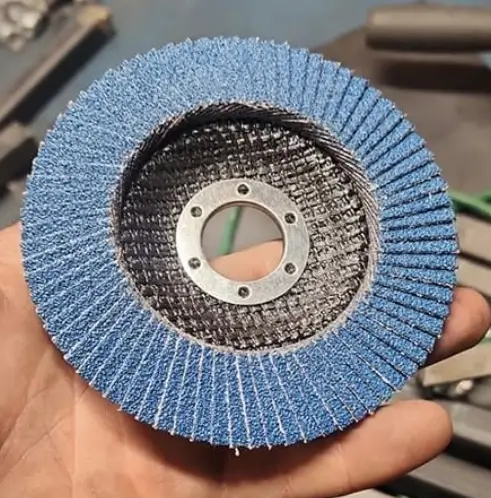
This image shows a typical flap disc to be used with a grinder to remove surface rust
• Wire brush
• Flap disc
• Sandpaper
Step 2: Clean the Surface — Use a wax remover, then a degreaser, to thoroughly remove all surface contaminants. Any oil or dirt will block the chemical reaction.
Step 3: Apply the Rust Neutralizer — Brush or spray it directly onto the rusted area. Make sure you cover all affected surfaces evenly.
Step 4: Allow Full Reaction Time — Most products take anywhere from 30 minutes to several hours to fully react. You’ll usually see the surface turn black—that’s the conversion happening.
Step 5: Apply a Protective Coating — This is critical. A rust neutralizer stops rust, but it doesn’t protect against future moisture exposure. You must follow up with primer and paint on the body panels. Use undercoating or chassis coating on underbody areas.
Best Rust Neutralizer Brands (What Actually Works)
After years of testing products in real-world conditions, here are the ones I trust:
1. Rust-Oleum Rust Reformer — I like the Rust-Oleum product because it’s easy to use and readily available at auto parts stores and big box stores. Use it for light to moderate rust.
2. Permatex Rust Treatment — The Permatex product produces a strong chemical conversion, leaving a solid black coating where the rust sat previously. It also provides excellent adhesion for topcoats
3. Eastwood Rust Converter — This is a professional-grade product and is used by many restoration companies. It works well under all automotive paint systems,
4. POR-15 Metal Prep (with POR-15 system) — This is a restoration industry favorite. You achieve the best results when it’s used as part of a full two-part coating system.
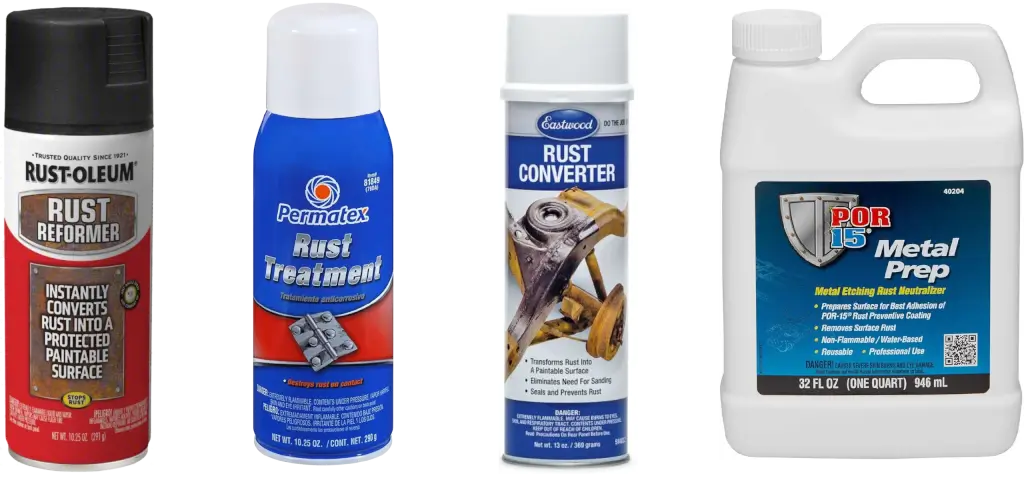
The most popular rust converter products
Each of these products functions as a rust neutralizer, but the difference is in durability, ease of use, and compatibility with coatings.
What to Do After Using a Rust Neutralizer
This is where you lock in your results. After applying a rust neutralizer, I always recommend sealing the surface immediately because the converted rust is stable, but it’s still porous. If you leave it exposed, moisture can get back in.
• Once the rust converter is fully dry and cured, apply a primer — Use an automotive primer that bonds well to the converted surface.
• Paint or Coating — For body panels: paint and clear coat
• For frames, apply chassis paint or undercoating
Consider Rust Prevention Treatments On Bare Metal
• Fluid Film
• Woolwax
• Wax-based undercoatings
These add a second layer of protection—especially important in salt-heavy regions.
Common Mistakes to Avoid
• Applying rust neutralizer over grease or dirt
• Skipping the removal of loose rust
• Not allowing full cure time
• Failing to seal the surface afterward
Any one of these will reduce effectiveness dramatically.
Final Verdict: Is a Rust Neutralizer Worth It?
Absolutely—when used correctly.
A rust neutralizer is one of the best tools you have for stopping rust early, preserving metal, and avoiding expensive repairs. It’s not a substitute for proper bodywork in severe cases, but for most vehicles dealing with surface corrosion, it’s a smart, cost-effective solution.
If you take the time to properly prep, apply, and seal, a rust neutralizer can extend your vehicle’s life by years.
©, 2026 Rick Muscoplat
Posted on by Rick Muscoplat