
Screw Head Types: Know How To Shop For Screws
Screw Head Types and What Each Is Used For: A Practical Guide
When it comes to assembling or repairing anything—furniture, electronics, vehicles, or construction materials—knowing your screw head types can make or break the job. I’ve spent years in the garage, under the hood, and on job sites, and I can tell you from experience that using the right screw for the task isn’t just a matter of convenience; it’s a matter of doing the job right the first time.
Whether you’re a DIYer or a professional, understanding the different screw head types and their corresponding screw head uses will save you time, effort, and sometimes even costly damage. So let’s break it down and take a close look at the most common types and where each belongs.
Pan Head Screw Type: Common Uses, Advantages, and Disadvantages
One of the most common machine screw types, Pan Head Screws have a wide head style with chamfered / curved sides and a recessed Phillips drive.
Where Pan Head Screws Are Most Often Used— Pan head
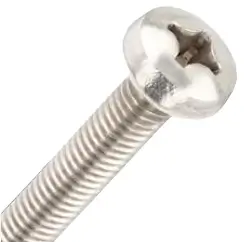
Pan Head
screws are widely used in applications where the fastener sits on the surface rather than being countersunk. You’ll find them most often in:
• Electronics assembly – The wide, rounded head distributes pressure and prevents damage to delicate components or circuit boards.
• Appliance manufacturing – Used in ovens, washers, and dryers for securing internal and external panels.
• Metal-to-metal fastening – Common in HVAC and light-duty sheet metal projects.
• Wood-to-metal fastening – Often used to attach wood panels to metal brackets or frames.
• General-purpose applications – Especially in areas where appearance and ease of removal are important, like removable covers or casing
Flat Head Screws: What They Are, Where They’re Used, and Their Pros and Cons
Flat Head machine screws have a 90° angle underneath the head.
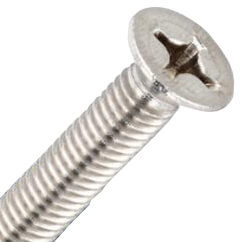
Flat Head
This head style recesses into a countersunk hole to sit flush with the work surface. When properly installed, the head is level with or slightly below the surface, creating a smooth, finished appearance.
Where The Flat Head Screw Type Is Most Often Used:
Flat head screws are used in a wide variety of applications where a flush or countersunk finish is required. Some of the most common uses include:
• Woodworking and cabinetry – Ideal for furniture assembly, shelving, and trim work where a smooth finish is essential.
• Drywall and construction – Used to fasten drywall panels to studs without creating surface bulges.
• Metal fabrication – In applications where panels need to align flush for structural or aesthetic reasons.
• Carpentry – Especially in framing, deck construction, and cabinetry where screw heads should not protrude.
• Door hinges and hardware installation – Used to secure hardware in a clean and professional-looking way.
Advantages of Flat Head Screws:
• Flush finish – The main advantage is that they sit flat with the surface when countersunk, which is crucial in applications where a protruding head could be a hazard or eyesore.
• Secure hold – The tapered shape pulls materials tightly together, especially in wood or soft materials.
• Improved appearance – Great for visible projects, as they offer a clean and seamless finish.
• Structural alignment – In machinery and construction, they help parts line up exactly by eliminating gaps caused by raised screw heads.
Disadvantages of Flat Head Screws:
• Requires countersinking – To install properly, a matching countersink hole must be drilled, adding an extra step.
• Prone to cam-out – Especially in slotted or Phillips versions, over-torqueing can easily strip the drive or the material.
• Not reusable in soft material – Repeated installation in wood can wear out the tapered hole, reducing holding strength.
• Limited grip for removal – Once flush, they can be harder to remove than raised-head screws, especially if paint or debris covers the slot.
Oval Head Screw Type: What It Is, Where It’s Used, and Its Pros and Cons
An oval head screw is a type of countersunk screw with a slightly
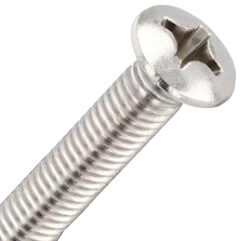
Oval Head
rounded, dome-shaped top and a tapered underside. It’s essentially a hybrid between a flat head and a pan head—it sinks into the material like a flat head, but the visible part has a curved top for a more decorative finish.
Where Oval Head Screws Are Most Often Used:
Oval head screws are most commonly used in applications where you want a partially flush fit and a more attractive or finished appearance. Some typical uses include:
• Decorative woodwork – Often used in visible furniture joints, trim work, and cabinetry where aesthetics matter.
• Electrical hardware – Found in switch plates, outlet covers, and other hardware where the screw remains visible.
• Architectural and finish carpentry – Used for molding, paneling, and fixtures where you want a subtle but polished look.
• Marine and aviation applications – Often used where vibration resistance and aesthetics are both important.
Advantages of Oval Head Screws:
• Enhanced appearance – The slightly domed head gives a more finished, decorative look than a flat head.
• Flush with style – Like a flat head, it sits mostly flush with the surface, but the oval top gives a touch of style.
• Less material damage – The curved top can reduce the risk of cracking delicate surfaces, especially with softer woods.
• Good alignment – The tapered bottom helps pull materials together tightly when properly countersunk.
Disadvantages of Oval Head Screws:
• Requires a special countersink – To sit correctly, oval head screws need a two-step countersink: one to match the taper and another to accommodate the domed top.
• Less low-profile than flat heads – They don’t sit completely flush with the surface, which may not be ideal in tight-clearance or functional applications.
• Limited load bearing – Like other decorative screws, they’re not designed for heavy structural loads.
• Not ideal for automated assembly – The non-standard head shape isn’t used in high-volume manufacturing as often as flat or pan head screws.
Cheese Head Screw Type: What It Is, Where It’s Used, and Its Pros and Cons
A cheese head screw is a type of screw with a cylindrical head
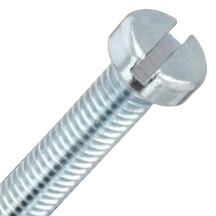
Cheese Head
and a flat top. The sides of the head are vertical—resembling a wheel of cheese, which is how it gets its name. It typically has a slotted or Phillips drive and is designed for use where a deep, strong drive engagement is needed, and appearance isn’t the top priority. Cheese Head Screws have a flat bearing surface, a single indented horizontal slot, and a reduced head diameter, making these screws an excellent choice for compact spaces.
Where Cheese Head Screws Are Most Often Used:
Cheese head screws are primarily used in precision engineering, electronics, mechanical assemblies, and instrumentation. Some of the most common applications include:
• Electrical and electronic equipment – Used to secure components to chassis or boards where precise alignment is required.
• Machinery and tool assemblies – Ideal for fastening metal parts with tight tolerances.
• Automotive and aerospace – Used in control modules, instrument clusters, and other small assemblies.
• Industrial applications – Found in machinery housings, motor mounts, and specialized devices where high torque is needed in a compact form.
Advantages of Cheese Head Screws:
• High torque capability – The tall head provides more surface area for the driver, allowing for better torque transfer without stripping the screw.
• Precise control – Excellent for applications requiring exact depth and tight tolerances.
• Compact and efficient – Offers a strong grip without taking up as much width as a pan head screw.
• Easy to machine – The uniform, cylindrical shape is simple to manufacture and consistent in fit.
Disadvantages of Cheese Head Screws:
• Protrudes above the surface – Unlike countersunk or oval head screws, cheese heads sit above the material, which may not be acceptable in aesthetic or flush applications.
• Limited use in wood or drywall – These screws are best suited for metal and rigid materials. They don’t grip well in soft materials.
• May require precise hole sizing – To prevent misalignment or movement, the hole must be properly sized, especially in tight assemblies.
• Not decorative – These screws are all functional, with little attention to appearance, making them less suitable for visible or decorative installations.
Truss Head Screw: What It Is, Where It’s Used, and Its Pros and Cons
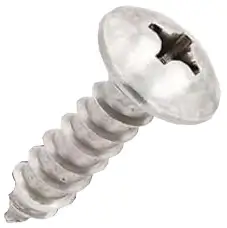
Truss Head Screws have an oversized “truss” head style with an
Truss Head
undercut bottom and a low-height rounded dome top. Choose between Phillips and Slotted drives as well as machine and sheet metal threading. The head is wider than most other screw types and sits almost flat against the surface of the material, but without being fully countersunk. Its large surface area makes it ideal for holding down soft or thin materials without pulling through.
Where Truss Head Screws Are Most Often Used:
Truss head screws are commonly used in applications that involve attaching thin materials or covering a large surface area. Typical uses include:
• Sheet metal fastening – Ideal for holding thin metal panels in HVAC, ductwork, and light construction.
• Electronics and appliances – Used to secure covers, brackets, or plastic housings without damaging them.
• Automotive interiors – Often found securing trim panels or soft plastic parts where a wide head prevents pull-through.
• Wood and particle board assembly – Great for furniture and cabinetry where materials are soft or thin.
• Cable and wire management – Used to attach cable clamps or straps without cutting into wires or insulation.
Advantages of Truss Head Screws:
• Large bearing surface – The wide head distributes pressure more evenly, reducing the risk of damaging soft or thin materials.
• Prevents pull-through – Perfect for lightweight assemblies where standard screw heads might tear through the material.
• Low profile – Although not countersunk, the head sits fairly low, minimizing interference in tight spaces.
• Aesthetic value – The smooth, wide head offers a clean and finished look in exposed applications.
• No need for countersinking – Saves time in assembly, especially in sheet metal or plastic work.
Disadvantages of Truss Head Screws:
• Not for heavy-duty load-bearing – The low-profile head doesn’t grip as deeply into the material, making it unsuitable for high-stress structural joints.
• Protrudes slightly – Unlike flat or oval heads, the truss head doesn’t sit flush, which might be an issue in tight-clearance applications.
• May not fit in recessed holes – The wide head may be too large for standard screw recesses or pre-drilled holes in hardware.
• Limited torque – Due to its low profile, it may not withstand as much torque as taller screw heads like pan or cheese heads.
Button Head Screw: What It Is, Where It’s Used, and Its Pros and Cons
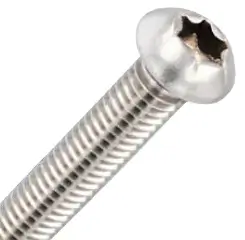
Button Head Cap Screws are great for limited-space installation areas.
Button Head
The smooth head design gives a neat, professional finish free from sharp edges. They are great for furniture and automotive applications.
A button head screw has a low-profile, rounded, dome-shaped head and a flat underside. It typically uses a hex (Allen) drive, though variations with Torx or Phillips drives also exist. The design offers a finished, modern appearance and is ideal where a smooth, rounded screw head is desired without the need for countersinking.
Where Button Head Screws Are Most Often Used:
Button head screws are widely used in light mechanical applications, electronics, and consumer products where appearance and low-profile design are important. You’ll often find them in:
• Electronics housings – Ideal for securing covers and panels in computers, appliances, and other consumer electronics.
• Machinery and robotics – Common in parts of equipment where a flush finish isn’t required but snag-free surfaces are preferred.
• Automotive and motorcycle parts – Often used in body panels, interior trim, and aftermarket accessories.
• Furniture and shelving – Popular in knockdown furniture kits and adjustable shelving systems for their clean appearance.
• Bicycles and sporting equipment – Used in non-structural areas for cosmetic appeal and smooth contours.
Advantages of Button Head Screws:
• Attractive, smooth finish – The rounded head offers a clean, modern look and is ideal for visible surfaces.
• Low-profile head – Sits above the surface but does not protrude excessively, reducing snagging or interference.
• Good for tight spaces – The rounded shape and compact height make them a solid choice in confined or curved areas.
• Hex drive resists cam-out – When paired with an Allen or Torx drive, button head screws provide strong torque resistance and reduce stripping.
• Easy to install and remove – The hex socket allows for quick tool engagement, especially in pre-assembled or kit-based projects.
Disadvantages of Button Head Screws:
• Not suitable for high-load applications – The low head profile means reduced wrenching surface, limiting torque capacity.
• Cannot be countersunk – They are designed to sit on the surface, which might interfere in applications needing a flush or recessed fastener.
• Less surface grip – Compared to pan or truss heads, button heads have a smaller bearing surface, which can increase the risk of pull-through in soft materials.
• Tool-specific – The hex drive requires Allen wrenches or bits, which might not be as readily available as a Phillips screwdriver.
Button Head Flange Screw: What It Is, Where It’s Used, and Its Pros and Cons
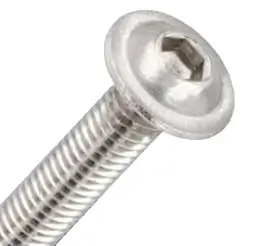
A button head flange screw is a variation of the standard button head
Button Head Flange
screw, combining a low-profile, rounded head with an integrated flange (a built-in washer-like collar) at the base of the head. It typically uses a hex socket (Allen) or Torx drive. The flange increases the screw’s surface contact area, improving load distribution and reducing the need for a separate washer.
Flanged Allen / Torx Socket Button Head Screws have a built-in washer that ensures superior force distribution over a greater area, eliminating the need for a separate washer. The smooth head design gives a neat, professional finish free from sharp edges.
Where Button Head Flange Screws Are Most Often Used:
Button head flange screws are used in automotive, mechanical, and industrial applications where both a clean appearance and a larger clamping surface are beneficial. Common uses include:
• Automotive assembly – Found in engine bays, interior trim, and underbody panels where vibration resistance and a wide bearing surface are important.
• Motorcycles and powersports – Used in fairings, accessories, and frame mounts for their aesthetic and functional value.
• Robotics and machinery – Ideal for securing light components where a washerless, low-profile head is preferred.
• Bicycles and sporting equipment – Used in non-structural components for clean looks and solid fastening.
• Sheet metal and plastics – Often used when attaching thin or soft materials without damaging or cracking them.
Advantages of Button Head Flange Screws:
• Built-in washer – The flange spreads load across a wider area, reducing pressure on the material and preventing pull-through or deformation.
• Cleaner appearance – Offers a finished, professional look with fewer parts since no washer is needed.
• Low profile – The rounded head is smooth and snag-resistant, making it ideal for exposed surfaces.
• Vibration resistance – The large bearing surface helps maintain a tight connection under vibration, especially in automotive and machinery settings.
• Efficient installation – Saves time by eliminating the need for a separate washer, reducing part count and assembly steps.
Disadvantages of Button Head Flange Screws:
• Limited torque capacity – Like standard button heads, the low-profile head provides limited wrenching surface, making it unsuitable for high-torque or load-bearing applications.
• Non-countersinkable – The head sits above the surface and cannot be recessed into material, which might not work for flush applications.
• May not fit recessed holes – The built-in flange increases the head’s diameter, so it may not fit into countersunk or confined recesses.
• Tool-specific – Typically requires a hex or Torx driver, which may not be as universal as Phillips tools.
Low Torx Socket Screw: What It Is, Where It’s Used, and Its Pros and Cons
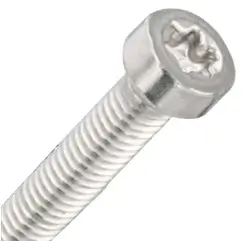
The head height of a Low Torx Screw is half the height of a regular socket screw, making it great for tight work areas. The Torx socket provides higher torque transfer because the driving forces are transferred to each surface of the six lobes.
A Low Torx Socket screw is a type of screw with a Torx (star-shaped)
Low Torx Socket
internal drive and a low-profile cylindrical head—similar in shape to a button head but with a flatter top. The “low” in its name refers to its reduced height compared to standard Torx socket screws, which helps maintain a minimal profile. The Torx drive is specifically designed for better torque transfer and resistance to cam-out.
Where Low Torx Socket Screws Are Most Often Used:
Low Torx socket screws are widely used in precision assembly and mechanical applications where space is limited, and a flush or low-profile head is needed. Common uses include:
• Automotive components – Found in engine compartments, transmission housings, and brackets where compact, vibration-resistant fasteners are needed.
• Electronics – Used in assembling computer hardware, consumer electronics, and communication devices.
• Aerospace and robotics – Ideal in tight, weight-sensitive assemblies requiring precision and vibration resistance.
• Medical equipment – Used where small, secure, and reliable fasteners are needed in confined assemblies.
• Industrial machinery – Applied where tool access is limited, but high torque resistance is still required.
Advantages of Low Torx Socket Screws:
• High torque transfer – The Torx drive design distributes torque more efficiently than Phillips or slotted drives and minimizes cam-out.
• Low profile – The reduced head height is ideal for compact assemblies or surfaces where clearance is limited.
• Reduced tool slippage – The Torx interface offers precise engagement, reducing the chance of stripping or damaging the screw head.
• Secure fastening – Commonly used in high-vibration environments because they maintain a strong, reliable hold.
• Improved tool life – Torx fasteners reduce wear on driver bits due to better torque distribution and lower pressure points.
Disadvantages of Low Torx Socket Screws:
• Requires specific tools – A Torx driver is needed, which may not be as readily available as Phillips or slotted screwdrivers.
• Not suitable for countersinking – Due to the cylindrical, non-tapered head design, they sit above the surface and cannot be recessed.
• Limited surface bearing area – The smaller head may not distribute load as widely as a flange or truss head screw, increasing the risk of pull-through in soft materials.
• Harder to remove when damaged – If over-torqued or stripped, removal can be difficult without specialized extractors.
External Torx Flange Screw: What It Is, Where It’s Used, and Its Pros and Cons
An External Torx Flange screw is a heavy-duty fastener with a

External Torx Flange
star-shaped External Torx drive—meaning the Torx profile is on the outside of the head, not recessed into it like standard Torx screws. This design requires a Torx socket or wrench that fits over the head. The screw also features an integrated flange at the base of the head, which acts like a built-in washer to distribute load.
This type of screw is designed for high-torque applications where maximum grip, load distribution, and vibration resistance are critical. The underside of the flange surface ensures superior force distribution over a greater area, eliminating the need for a separate washer.
Where External Torx Flange Screws Are Most Often Used:
These screws are common in automotive and heavy machinery industries. Some of the most frequent applications include:
• Automotive engines and drivetrains – Used in cylinder heads, transmission housings, suspension components, and engine mounts.
• Truck and off-road equipment – Found in frame, chassis, and suspension assemblies.
• Industrial equipment – Secures components that experience high vibration or load stress.
• Aerospace and military hardware – Used in critical structural joints where precision and strength are required.
• Agricultural machinery – Withstands heavy loads and harsh operating conditions.
Advantages of External Torx Flange Screws:
• High torque handling – The External Torx design provides more contact area between the tool and fastener, allowing much higher torque without slipping or stripping.
• Durable and tamper-resistant – Less likely to round off under repeated use and more difficult to tamper with compared to standard hex heads.
• Built-in flange – The integrated flange distributes clamping force over a larger area, reducing the risk of damage to softer materials and eliminating the need for a washer.
• Ideal for high-stress environments – Perfect for joints that undergo extreme mechanical stress or vibration.
• Improved tool alignment – The external drive allows sockets to center well over the fastener for faster, more secure installation.
Disadvantages of External Torx Flange Screws:
• Requires special tools – You must have a matching External Torx socket or wrench, which may not be in a standard tool kit.
• Larger head profile – The external drive and flange result in a larger and taller screw head, which may not be suitable in tight-clearance or flush applications.
• Higher cost – Typically more expensive than standard hex or Phillips head screws due to their specialized design and use in high-grade applications.
• Overkill for light-duty tasks – Using them in non-critical areas can add unnecessary complexity and cost.
SEMS Screw: What It Is, Where It’s Used, and Its Pros and Cons
A SEMS screw (also known as a pre-assembled screw and

SEMS Screw
washer combination) is a type of fastener that comes with one or more captive washers already permanently attached to the screw. The washer is installed before the threads are rolled, meaning it can’t fall off or be removed. SEMS screws can feature various head styles—like hex, Phillips, or Torx—and may include flat, split lock, or tooth lock washers.
Where SEMS Screws Are Most Often Used:
SEMS screws are most commonly used in high-volume manufacturing and assembly operations, especially where speed and consistency are critical. Common applications include:
• Automotive industry – Used in dashboards, engine compartments, trim panels, and electrical harnesses.
• Electronics assembly – Fastens printed circuit boards (PCBs), shields, and housing covers.
• Appliances and white goods – Found in washing machines, dryers, ovens, and refrigerators to secure panels and components.
• Industrial machinery – Used to mount components where vibration is present.
• Office equipment and computers – Secures internal hardware and provides grounding via tooth lock washers.
Advantages of SEMS Screws:
• Time-saving installation – Pre-assembled washer eliminates the step of manually placing a washer during assembly.
• Improved productivity – Perfect for automated or high-speed production lines.
• Captive washer prevents loss – Reduces risk of washer falling into machinery or electronics during service or assembly.
• Enhanced load distribution and vibration resistance – Depending on the washer type (e.g., lock washer), it can reduce loosening and increase clamping force.
• Cost-effective in bulk use – While individual screws may cost more, the time and labor saved during installation often outweigh the added cost.
Disadvantages of SEMS Screws:
• Limited flexibility – The washer is permanently attached, so you can’t change washer types or remove it for other tasks.
• Higher unit cost – More expensive than standard screws due to the added assembly and quality control.
• Washer alignment is fixed – In some applications, you might want the washer in a different position or orientation, which isn’t possible with SEMS.
• Not ideal for low-volume or one-off tasks – If you’re not benefiting from the labor savings, the added cost might not be worth it.
©, 2025 Rick Muscoplat
Posted on by Rick Muscoplat