
Signs of a Bad Blower Motor: What to Look Out For
Learn the most common signs of a bad blower motor
The blower motor in your car is responsible for pushing air through the vehicle’s HVAC system. When it starts to fail, you’ll notice some clear symptoms indicating it needs to be repaired or replaced. Here are the most common signs of a bad blower motor:
1. Squealing or High-Pitched Noise When You Turn It On
One of the earliest bad blower motor symptoms is a squealing or high-pitched noise when the fan starts up. Most factory blower motors use inexpensive brass sleeve bearings. As these bearings wear, they begin to squeal. Sometimes the noise goes away after the motor warms up, but other times it continues until you shut it off.
When I hear this, I know the blower motor is running on borrowed time. You might get a few more weeks or months out of it, but eventually it will stop working entirely.
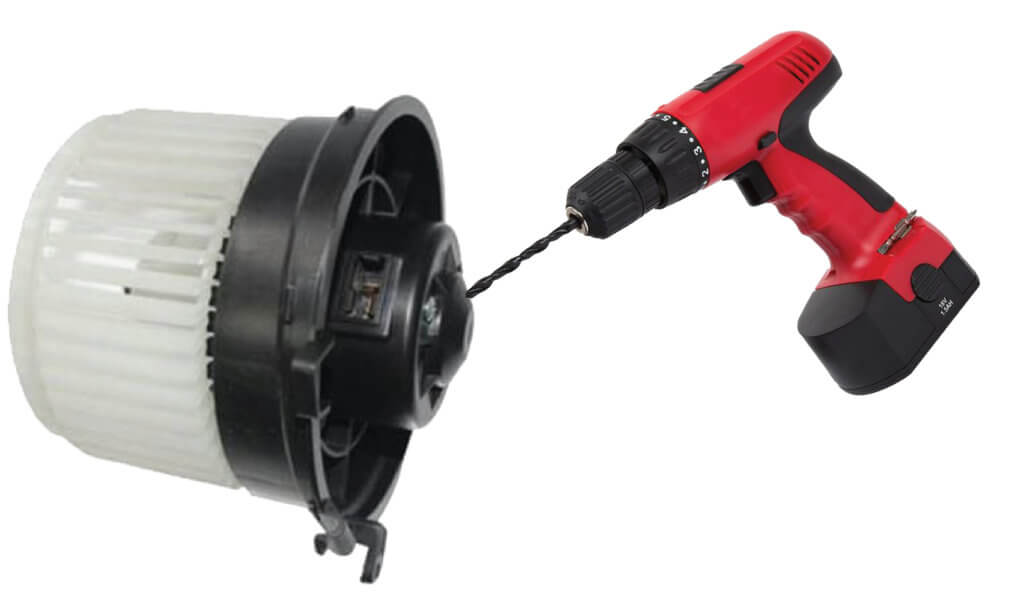
Quick temporary fix I’ve used: Drill a small 1/16-inch hole in the bearing housing and add a few drops of lightweight oil, such as 3-in-1 oil. This can quiet the squeal and keep the motor running temporarily, but it’s not a permanent repair. WD-40 won’t work nearly as well.
2. The Fan Only Spins After Smacking the Dash or Motor Housing
Another classic bad blower motor symptom is when the fan doesn’t spin unless you smack the dash or the area around the motor. This usually means the motor’s brushes, arm
ature, or bearings are worn. The jolt from hitting it is enough to get the armature off a “dead spot,” but this is only a temporary reprieve. Once this happens, I recommend replacing the blower motor immediately.
3. Repeatedly Burning Out the Resistor or Blowing Fuses
If your blower motor resistor keeps failing or the fuse blows repeatedly, that’s a red flag. A worn bearing inside the hvac blower motor can cause it to draw excessive current. This extra draw overheats and destroys the resistor, and in severe cases, it pops the fuse. In my experience, replacing just the resistor without fixing the motor is a waste of time — the problem will come right back.
Other Common Bad Blower Motor Symptoms I Watch For
No Airflow at Any Setting – If no air comes out of the vents, regardless of fan speed, the blower motor may not be getting power or could be completely seized. Without the motor spinning, the system can’t push air into the cabin.
Weak Airflow – If the airflow feels noticeably weaker, even at the highest setting, the motor may not be spinning fast enough due to worn brushes or internal drag.
Intermittent Operation – If the fan works sometimes but not others, it could be caused by worn motor components, a failing resistor, or a loose electrical connection.
Electrical Burning Smell – One of the most concerning bad blower motor symptoms is a burning odor when the fan is running. This often means the motor is overheating from excessive current draw, damaged windings, or short circuits. If you notice this smell, shut the system off immediately to avoid fire risk and have it inspected.
My Final Advice on Blower Motor Problems
Any time I diagnose bad blower motor symptoms, I remind drivers that ignoring them can lead to complete HVAC failure, and in rare cases, electrical hazards. If you catch the problem early, you may have time for a temporary fix, but in most cases, the best solution is to replace the blower motor outright.
The earlier you address the issue, the less likely you’ll be left without heat in the winter or A/C in the summer. Trust me — replacing a blower motor in your driveway on a nice day is a lot better than dealing with it during a snowstorm or heat wave.
©, 2021 Rick Muscoplat
Posted on by Rick Muscoplat