
Understanding AC Repair for EVs
What You Need to Know About AC Repair for EVs
While the basics of EV AC are the same as in ICE vehicles, servicing electric compressors is a whole different ballgame. The single most important fact to know is that AC systems in EV cars and trucks require a different oil, one that’s nonconductive. Using the wrong oil can cause significant safety issues, potentially resulting in electrocution. You’ll also need special gloves and a special multimeter. In other words AC repair for EVs differs from working on AC in ICE vehicles.
Safety First: High-Voltage Systems
Let me emphasize this: these compressors can carry up to 400 volts, and that’s not something to take lightly. You’ll recognize the high-voltage circuits by the bright orange wiring. Anytime you’re replacing or servicing a high-voltage compressor, it’s critical to follow the manufacturer’s procedures for deactivating the high-voltage system.
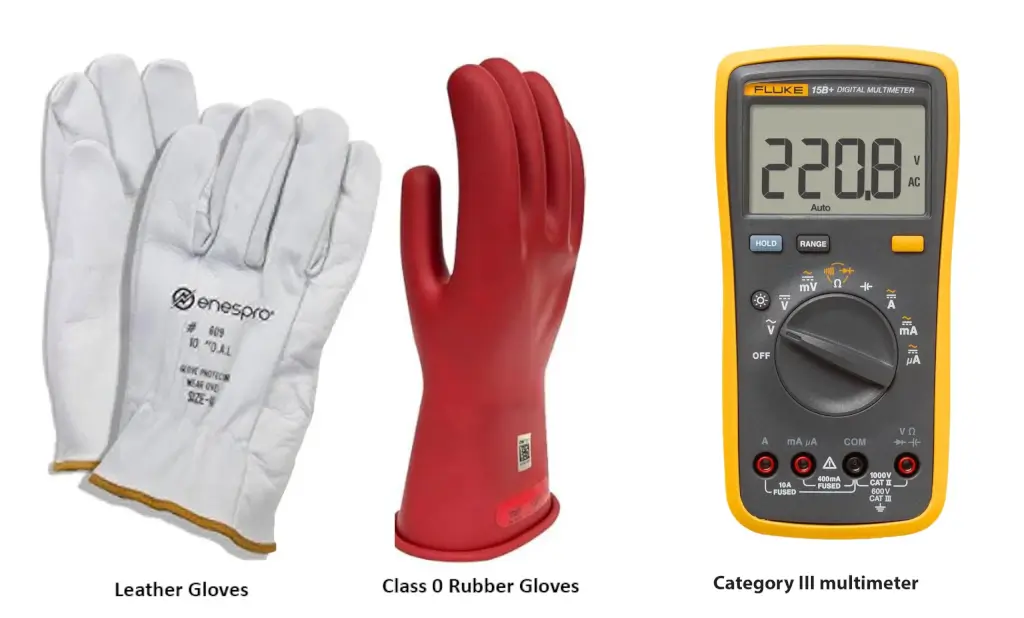
You’ll need new gloves, HV Class 0 gloves rated for 1,000 volts. And, you’ll have to wear leather gloves over them for protection. You’ll also need a Category III-rated multimeter to confirm the high-voltage components are no longer live. Skipping these steps is not just careless; it’s downright dangerous.
The gloves are pricey, around $220 at Amazon. The meter isn’t bad at around $120 at Amazon
Oil Selection: Not All Oils Are Created Equal
Another key difference with eCompressors is the type of oil they use. These systems require a special kind of oil—Polyol Ester (POE) refrigerant oil—which is non-conductive. The exact specification varies by manufacturer, so you must always check the technical service bulletins (TSBs) or manufacturer guidelines for the correct oil.
Here’s the bottom line: you cannot substitute the oil. 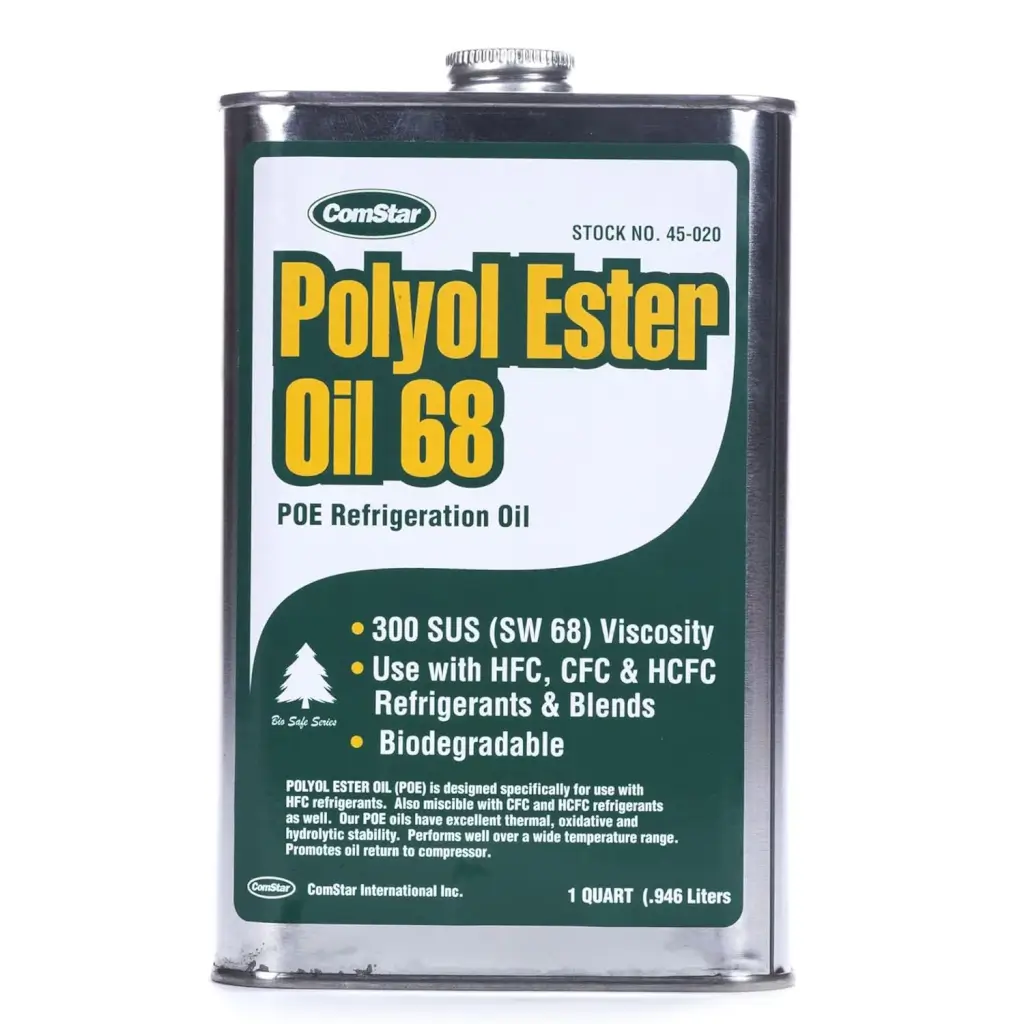 Using the wrong oil compromises the compressor’s dielectric properties, which are essential for insulating the compressor’s electrical windings. If the integrity of the insulation fails, high voltage can bleed through the compressor, creating the potential for electrocution. It’s not just about doing the job right—it’s about keeping yourself safe.
Find POE oil on Amazon for about $26/quart
Avoid Contamination: PAG Oil is a No-Go
One of the biggest mistakes you can make with an electric A/C system is introducing PAG oil into the compressor. Even a tiny amount—just 1%—can reduce the insulation resistance from over 10 mega ohms to less than 1 mega ohm. When that happens, the system could throw a diagnostic trouble code (DTC) and shut down entirely.
Let me be clear: some manufacturers will require you to replace the entire AC system if there’s PAG oil contamination. That’s a costly mistake you don’t want to make. Always use dedicated hoses, tools, and injectors for POE oil to prevent cross-contamination.
Dye for Electric Compressors: The Right Stuff Only
Leak detection dye can also cause issues if you’re not careful. Regular dye won’t cut it for electric compressors—you need a Polyol Ester-based dye that’s specific to the system you’re working on. Using the wrong dye can contaminate the system just like the wrong oil.
My advice? Keep separate equipment for conventional and electric A/C systems to eliminate the risk of contamination. It may seem like extra work, but trust me—it’s worth it in the long run.
The Takeaways From This Article
Working on electric A/C compressors isn’t just an adjustment; it’s a shift in how you think about servicing these systems. From high-voltage safety protocols to precise oil and dye requirements, every step matters. Cutting corners or guessing isn’t an option—you’ve got to do it right.
©, 2024 Rick Muscoplat
Posted on by Rick Muscoplat