
Understanding GM’s Electric Power Steering: How It Works
Learn how GM’s electric power steering works
General Motors (GM) uses Electric Power Steering (EPS) in many of its vehicles. EPS systems provide steering assistance using an electric motor rather than a hydraulic system. This design offers several advantages, including improved fuel efficiency, variable steering assistance, and reduced complexity. Here’s how GM’s EPS system works:
The components used in GM’s electric power steering
• Electric Motor— The core component of the EPS system, which provides the necessary assistive torque to help turn the wheels.
• Steering Control Module (SCM)— This electronic control unit processes inputs from various sensors and calculates the required steering assistance.
• Torque Sensor— Measures the amount of torque applied by the driver to the steering wheel.
• Vehicle Speed Sensor— Provides information about the vehicle’s speed, which is crucial for adjusting the level of steering assistance.
• Steering Column or Rack— Depending on the specific EPS design, the electric motor can be mounted on the steering column or directly on the steering rack.
How GM’s Electric Power Steering System Works
The system detects driver input
When the driver turns the steering wheel, the torque sensor measures the force being applied. This information is sent to the Steering Control Module (SCM).
The SCM uses inputs from the torque sensor, vehicle speed sensor, and
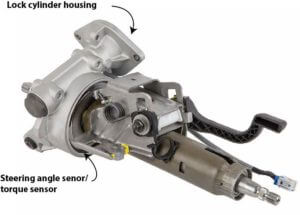
This image shows a steering column mounted electric power steering unit. It connects the steering shaft to a traditional rack and pinion steering gear
other sensors (such as yaw rate and lateral acceleration) to determine the appropriate amount of steering assistance. The assistance level is variable and depends on factors like vehicle speed and steering conditions.
The electric motor provides the calculated amount of assistance to the steering system. In column-mounted systems, the motor assists the steering column, while in rack-mounted systems, the motor directly applies force to the steering rack.
The system continuously monitors and adjusts the steering assistance based on changing conditions. For example, more assistance is provided at lower speeds for easier maneuvering, and less assistance is given at higher speeds for better stability and control.
The power steering electric steering motor
The power steering motor is a heavy-duty component that can draw up to 65 amps. It switches direction by reversing polarity. GM uses different power steering assist motors: 12-volt motors with 3-phase motors and 42-volt motors for hybrids.
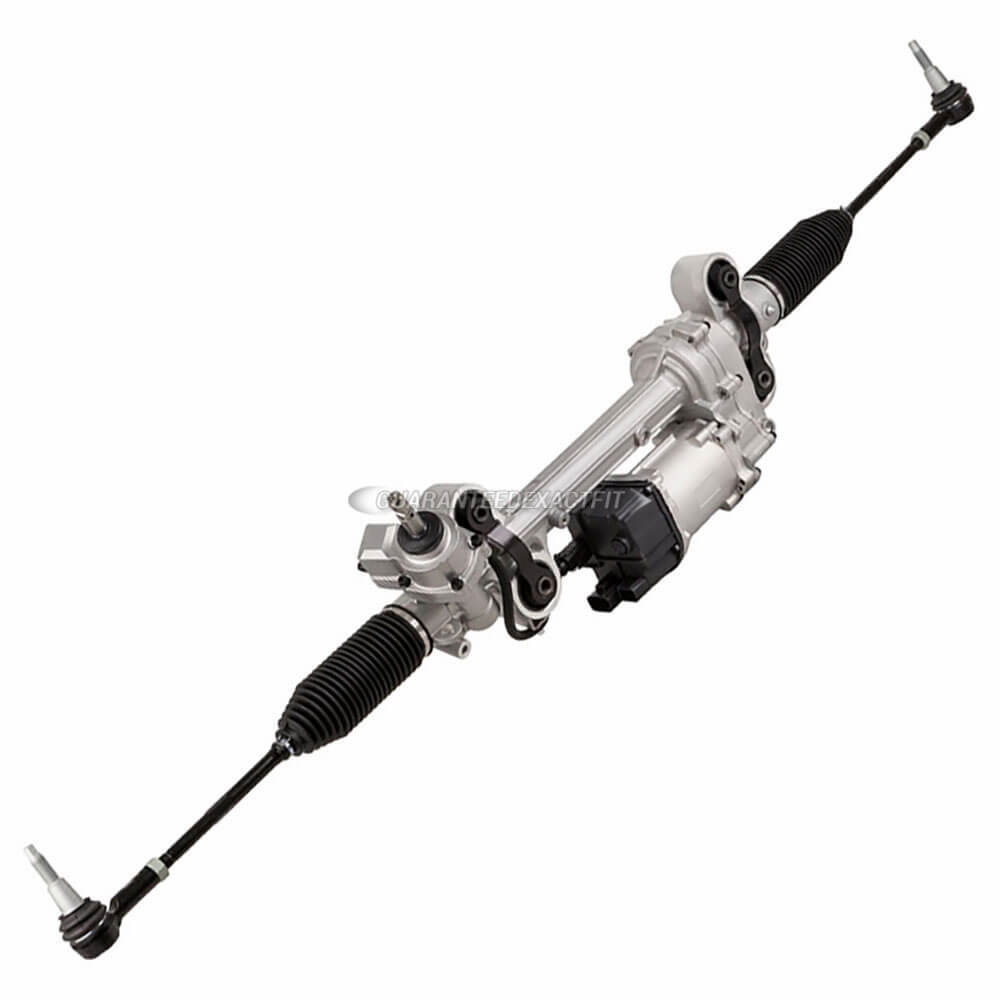
This image shows an electric power steering rack assembly. The motor is built right into the rack.
Steering sensors
Some designs use steering wheel position and torque sensors, while others use torque sensors with motor rotational sensors. However, they all work the same.
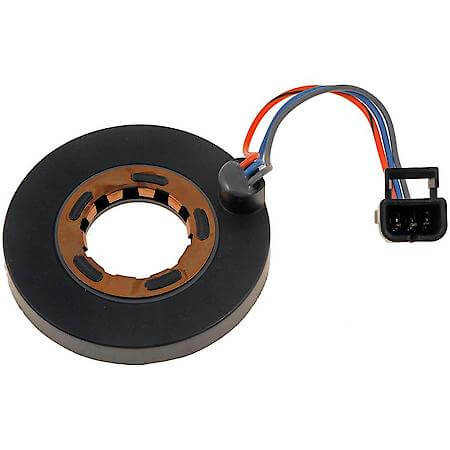
A steering angle/torque sensor is mounted to the steering column to detect driver input turn direction and force
There’s always a fail-safe mechanical connection to the steering gear
GM’s Electric Power Steering System Work is not fly-by-wire. In case of a failure, a mechanical connection from the steering wheel to the steering rack allows manual steering, just like conventional power steering. GM’s
If the power steering message appears, start your diagnostics by reading the trouble code.
The advantages of electric power steering
• Better fuel economy— The electric motor only runs when it senses driver input, as opposed to a hydraulic pump that runs the entire time the engine runs.
• Less noise and vibration— Electric power steering eliminates the noise associated with hydraulic power steering. So you don’t hear the moaning or belt sounds as you turn the wheel.
• Better precision and Control— The system offers more precise control over the amount of steering assistance, enhancing the driving experience and improving safety.
• More room under the hood— Removing the power steering pump and drive belt leaves more room under the hood
©, 2018 Rick Muscoplat
Posted on by Rick Muscoplat