
Why Direct Injection Engines Suffer From Carbon Buildup
What Causes Carbon Buildup on Intake Valves
Quick Summary
The problem of carbon buildup on the intake valves of a direct injection engine is real. It’s caused by multiple factors, including:
• The elimination of the fuel wash that was common in port-injected engines.
• More soot generation during cold start operation
• Different piston ring and cylinder wall finishes that reduce friction —
• Leaner air-fuel mixtures
• Longer oil change intervals
• Engine designs that change airflow under differing engine conditions.
Short trips, extended oil-change intervals, and worn valve seals exacerbate the problem. While a fuel induction service can help slow or reduce light deposits, it will not eliminate heavy buildup. Once deposits become severe, mechanical cleaning is the only proper fix.
Article
Why Carbon Buildup on Intake Valves Is a Direct Injection Reality
I’ve diagnosed enough misfires, rough idles, and cold-start complaints to spot carbon buildup on intake valves before I even open the hood. Ever since automakers moved to gasoline direct injection for efficiency and emissions gains, this issue has become one of the more common long-term engine problems I see.
The root cause is simple. In older port fuel-injection systems, fuel was sprayed onto the backs of the intake valves. That fuel contained detergents, and every intake cycle effectively cleaned the valve. In a direct-injection engine, fuel is injected directly into the combustion chamber. The intake valves never see fuel—only air, oil vapor, and exhaust contaminants. That’s the perfect recipe for carbon.
Once you understand that fundamental design difference, it becomes clear why carbon buildup on intake valves is not a maintenance mistake or a bad batch of fuel. It’s an unavoidable side effect of how direct injection engines operate.
How the PCV System Starts the Carbon Chain Reaction
Every modern engine uses a positive crankcase ventilation system, and direct injection engines are no exception. Blow-by gases slip past the piston rings and enter the crankcase, carrying oil vapor, unburned fuel, moisture, soot, and exhaust gases. The PCV system routes those vapors back into the intake so they can be burned.
Here’s where things go wrong. In a direct-injection engine, those vapors pass directly over the hot intake valves. Without fuel washing, contaminants adhere. Over time, heat bakes them into hard carbon. This process is the primary contributor to carbon buildup on intake valves, even on well-maintained engines.
Valve Seal Wear and Oil Seepage Make Things Worse
As engines accumulate mileage, valve seals slowly harden and wear. When that happens, small amounts of oil seep past the seals and coat the valve stem and backside of the valve. In port-injected engines, fuel helps clean that oil away. In direct-injection engines, it simply burns on.
This is why I often see more aggressive carbon buildup on intake valves in higher-mileage vehicles—even when compression is still good, and oil consumption seems minimal. Once oil starts sneaking past the seals, the buildup accelerates quickly. At this stage, even an aggressive fuel induction service may only slow further accumulation rather than reverse it.
Lean Combustion and Heat Bake Carbon in Place
Direct-injection engines operate leaner and hotter than older designs. That higher combustion temperature improves efficiency but creates a perfect environment for carbon formation. Every time the intake valve opens, it briefly enters a hostile environment of high-temperature combustion gases and particulate matter.
If the previous combustion event wasn’t perfect—and no combustion cycle ever is—soot and residue cling to the valve neck. Multiply that by tens of thousands of cycles, and carbon buildup on intake valves becomes inevitable. Heat doesn’t just create carbon; it turns soft deposits into rock-hard buildup that chemical cleaners struggle to penetrate.
Cold Starts, Soot, and Short Trips Accelerate the Problem
Cold starts are another major contributor. Direct injection engines produce more soot during startup because fuel droplets don’t fully vaporize in a cold combustion chamber. That soot enters the blow-by gases and ends up right back on the intake valves.
Short trips make matters worse. When the engine never reaches full operating temperature, moisture and fuel contamination remain in the oil. That contaminated oil vapor sticks more aggressively to intake valves. Vehicles driven mostly on short trips often develop carbon buildup on intake valves far earlier than highway-driven vehicles.
This is also why I’m cautious about recommending extended oil-change intervals. Fresh oil produces fewer vapors, which directly impacts how quickly deposits form. No fuel induction service can compensate for severely degraded oil.
What Carbon Buildup on Intake Valves Does to Engine Performance
Once deposits grow thick enough, airflow into the cylinder becomes restricted and uneven. I see this show up as rough idle, hesitation, poor throttle
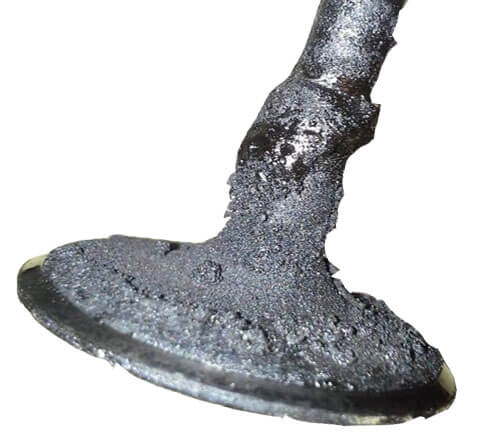
Carbon buildup on the valve
response, and reduced fuel economy. Cold-start misfires are especially common, often accompanied by a flashing check engine light.
In severe cases, carbon deposits prevent intake valves from seating properly. That leads to compression loss, persistent misfires, and eventually expensive repairs. By the time symptoms are apparent, a fuel induction service alone is usually insufficient.
Do Fuel Induction Services Actually Work?
This is where expectations need to be realistic. A fuel induction service can help when carbon buildup on intake valves is still light or moderate. Aerosol cleaners introduced through the intake can soften surface deposits and slow further accumulation.
However, fuel additives poured into the tank do nothing for the intake valves in a direct-injection engine. The fuel never touches them. Once deposits harden, chemical cleaners can’t stay in contact long enough to break them down completely.
I view a fuel induction service as preventative maintenance—not a cure. It’s most effective when performed early and regularly, not as a last-ditch fix for severe drivability issues.
When Mechanical Cleaning Becomes Necessary
For heavy carbon buildup on intake valves, walnut shell blasting remains the gold standard. This process physically removes carbon using crushed walnut shells without damaging metal surfaces. It restores airflow, idle quality, and throttle response almost immediately.
Many shops now recommend walnut blasting as part of long-term direct injection engine maintenance. No fuel induction service can match its effectiveness once deposits become severe.
The Effects of Carbon Buildup on Intake Valves
Carbon buildup on intake valves restricts airflow into the engine, reducing its efficiency and overall performance. Some of the common symptoms associated with carbon buildup include:
• Rough idle
• Loss of power and acceleration
• Decreased fuel economy
• Engine misfires, particularly during cold starts
• Check engine light illumination
If left unaddressed, carbon deposits can grow thick enough to obstruct the intake valves’ movement, leading to severe engine damage and costly repairs.
How to Eliminate or Prevent Carbon Buildup on Intake Valves
• Regular Use of Intake Valve Cleaner— Several intake valve cleaners are available in the aftermarket, specifically designed to remove carbon buildup. These cleaners often contain strong detergents or solvents that can dissolve the carbon deposits on intake valves. One common application method is to spray the cleaner directly into the intake manifold while the engine is running, allowing it to contact the intake valves and break down carbon deposits. However, for severe carbon deposits, professional-grade cleaning may be required.
• Periodic Walnut Shell Blasting — Walnut shell blasting is one of the most effective methods to remove carbon buildup from intake valves physically. This process involves blasting crushed walnut shells at high pressure onto the intake valves, gently removing carbon deposits without damaging the metal surfaces. Many automotive shops offer this service as part of regular GDI engine maintenance.
Cautions When Using An Aerosol Carbon Buildup Cleaning Product
• Highly flammable cleaners can combust in the turbocharger, causing expensive damage. Make sure the cleaner you use is turbo-compatible.
• Follow the cleaner manufacturer’s instructions to the letter! Adding too much cleaner too fast can damage turbocharger seals and can cause catalytic converter overheating and meltdown.
©, 2024 Rick Muscoplat
Posted on by Rick Muscoplat