
Why is My Check Engine Light Still On? Explained
Learn why your check engine light is still on after you replaced the bad part
Seeing the check engine light on after replacing parts is a common complaint on DIY auto repair forums. The home mechanics wonder how that could be if they fixed the problem. The simple answer is this: you may have replaced the component listed in the trouble code, but you didn’t fix the root cause of the code.
Replacing whatever part is listed in the code is a common DIYer mistake
Of all the home mechanic mistakes, this one is the most common: thinking that if a sensor is listed in the trouble code, that automatically means the sensor is bad. Let’s take a look at a common trouble code
P0131 02 Sensor Circuit Low Voltage (Bank I Sensor I) 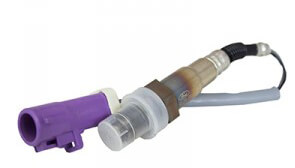
I can’t tell you how many oxygen sensors get needlessly replaced because of this code. Here’s what the code says versus what you THINK it says.
An oxygen sensor measures the amount of oxygen in the exhaust stream. If there’s very little oxygen, the sensor reports a low voltage; if there is too much oxygen, it reports a high voltage. Because the engine computer constantly tries to get the proper mixture, it swings back and forth between a rich and lean mixture. It happens fast, as often as 2 to 3 times per second. So the engine computer expects to see a switch from low to high voltage and back that often. When the computer sees an oxygen sensor stuck on either high or low voltage without swings, it sets a code.
If you replace the oxygen sensor under the assumption that the sensor is faulty but a bad air/fuel mixture is what’s causing the problem, you’ll wonder why the check engine light is still on.
It’s why you should never trust the advice of an auto parts store clerk
Chances are you had the auto parts store guy read your trouble code, and the clerk recommended replacing whatever parts were listed in the code. Guess what? They’re in the business of selling parts. They’re not in the business of diagnosing problems. If they were, those clerks would be working in a shop making 3X what they’re getting by punching buttons behind the counter. So you took their advice to buy a part without diagnosing all the possible reasons WHY the computer could set that code. In effect, you took a calculated gamble by replacing the part first. Oxygen sensors do fail, but not as often as you think.
The #1 cause of a P0131 code is a vacuum leak that allows unmetered air into the system. Too much air leans out the air/fuel mixture, resulting in consistently low voltage at the oxygen sensor. You think it’s a bad sensor and replace it, but most likely, you didn’t fix the broken vacuum line. Now you wonder, Why is my check engine light on after replacing parts? Well, dude, you didn’t fix the problem.
Other things can cause a P0131 trouble code, like a bad fuel pressure regulator or a clogged fuel injector that doesn’t provide as much fuel as the computer commands, so you wind up with a lean mixture and low voltage at the oxygen sensor.
How to diagnose a trouble code
This is what separates the men from the boys. Top-notch auto technicians NEVER replace a part without actually diagnosing the failure. They conduct tests to eliminate the problems that could cause a sensor to report a problem truthfully. If the sensor is telling the truth, then the sensor isn’t at fault.
In the case of a P0131 trouble code, a technician would check fuel pressure and use a scan tool to see if the computer is trying to compensate for a lean mixture by adding more fuel. I understand you probably don’t have a scan tool, but you can buy a decent one for about $200, which will give you that information. You just blew around $90 replacing a good oxygen sensor, and you still have a check engine light. If you’re like most DIYers, you’ll replace a few more parts hoping that you guessed right. When you’re done, you’ll most likely spend more than a scan tool would have cost.
That’s why your check engine light is still on: you didn’t actually diagnose and fix the right problem.
©, 2015 Rick Muscoplat
Posted on by Rick Muscoplat