
Why repair shops won’t install customer parts
Learn why auto repair shops won’t install customer parts
Customers often want to bring their own parts to an auto repair shop and are surprised and even outraged when the shop says they won’t install them. Or the shop says they will install them but only at a higher labor price and without any warranty. Let me break it down for you—here’s why most auto repair shops won’t install customer parts and why I didn’t either.
I’ve been in this business long enough to know the headaches it brings, and trust me, it’s not about being unfair. It’s about running a business that stays reliable, profitable, and avoids unnecessary drama. An auto shops’ reasoning is no different than any other retail service business’s policy on installing customer parts. Here’s why auto repair shops won’t install customer parts.
Reason #1: Installing customer parts means they lose money
Shops don’t just make money on labor; they rely on profit from selling parts, too. When you bring in your own parts, you’re essentially asking the shop to lose a chunk of their income. Would you ask a roofer to install shingles you bought at a hardware store or expect an HVAC tech to hook up the furnace you ordered online? Of course not. Auto repair shops work the same way.
Think about it: they’re running a business. If they lose the profit margin on parts, they have to make it up elsewhere—usually by charging higher labor costs. And even then, many shops still won’t offer a warranty because they can’t control the quality of the parts you bring in.
Reason #2: Customers often buy the wrong parts or low-quality parts
Here’s the truth—most customers aren’t parts experts. Shops know which brands are reliable and which ones are junk. Unfortunately, customers frequently show up with the wrong part, a universal fit that doesn’t quite fit, or the cheapest option available. When that happens, the shop ends up in a tough spot.
Let me paint you a picture: The technician pulls off your old part, only to find out your new part doesn’t fit. Now what? Do they reinstall the old one and charge you for their wasted time? Do they wait for you to bring the correct part and bill you for the downtime? Or do they source the part themselves at the last minute, adding markup and labor? No matter what they do, you’re probably going to be upset. Worse yet, when it’s all over, customers who bring their own parts take their frustration to social media, trashing the shop’s reputation. It’s a no-win situation for everyone.
Reason #3: If your part fails, you’ll blame the shop
Here’s another nightmare scenario for a shop: Your part fails a week after installation. If you file a claim with the part manufacturer, they’ll say it was improperly installed. The shop will disagree. Who do you think you’re going to blame? Nine times out of ten, it’s the shop that gets the heat—whether it’s fair or not. Even if they did the installation perfectly, customers are quick to call it “shoddy work” and then roase the shop on social media. Shops have seen this happen enough times to know it’s not worth the risk.
Why shops need to mark up parts
Let me explain something else that’s often misunderstood: shops don’t mark up parts to rip you off. That markup pays for the time and effort behind the scenes that you don’t see.
1) Ordering parts: Someone has to find and order the correct parts, and that time isn’t billable.
2) Warranty coverage: If the shop sells you a part and it fails, they’ll replace it under warranty. But here’s the catch—the parts supplier might replace the part for free, but the shop doesn’t get reimbursed for the labor to do the job all over again. Somebody has to cover the labor cost. Yeah, that’s comes out of parts markup.
3) Business operations: Paying parts bills, managing inventory, and handling warranties all cost time and money.
Without that markup, shops would go out of business. It’s not about greed—it’s about keeping the doors open.
You found the part cheaper online or at the local auto parts store — so what?
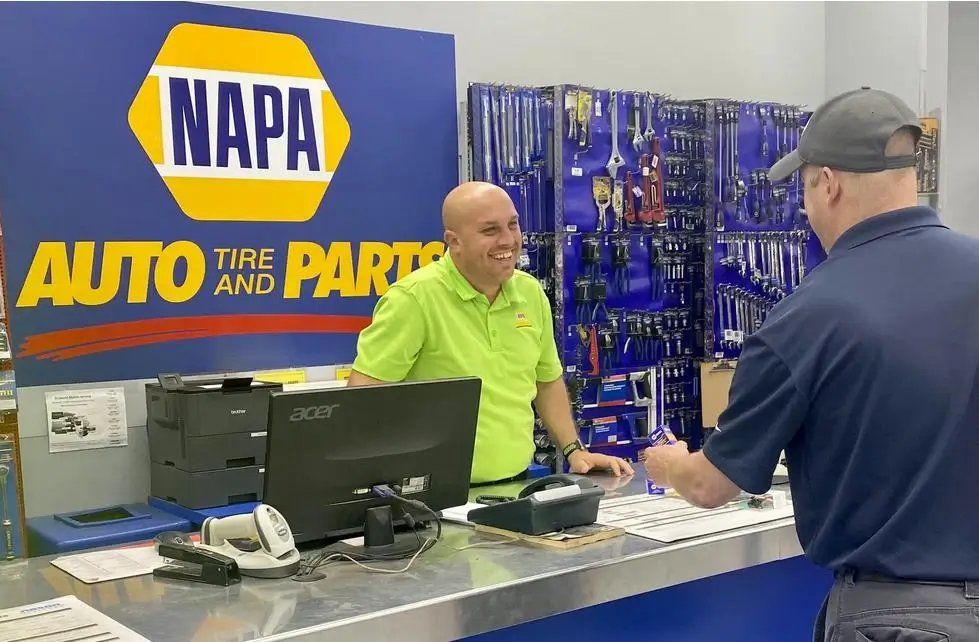
Most shops won’t install customer provided parts. The ones that will install customer parts usually increase the labor cost to cover the lost profit on the parts.
You can find just about everything cheaper online than from brick-and-mortar stores. Plus, you can often buy the exact same part at a local NAPA store and pay less than the repair shop would charge you. So what? But that’s because the store is selling it to you for DIY installation. If you want a shop to handle the work, it’s a different story. Don’t want to install it yourself? Well, that’s a different story.
Think about this scenario: You buy a steak at a meat market. You can cook it yourself, and all is good. But you can’t take that same steak to a steak house and offer to pay just the labor cost to grill it for you. The restaurant would be out of business in a month if they did that. And that’s precisely what you’re proposing when you bring your own parts to the auto repair shop and want to pay just the labor to install them.
When you hire a professional, trust them to do the job right—including supplying quality parts. It’s how they stay in business and ensure your car gets fixed properly the first time.
©, 2013 Rick Muscoplat
Posted on by Rick Muscoplat