
Why You Should Never Clean an Oxygen Sensor
Why Cleaning An Oxygen Sensor is Ineffective
If you’re thinking about how to clean an O2 sensor to fix poor fuel economy or emissions issues, let me stop you right there. I’ve seen plenty of online guides promising that soaking, spraying, or running fuel system cleaner through your engine will clean an oxygen sensor, but I’m here to tell you—it won’t work. In fact, it’s a complete waste of time. Let’s break down why cleaning an oxygen sensor is ineffective and what you should be doing instead.
Can You Clean an Oxygen Sensor?
Technically, yes. You can go through the motions of cleaning an O2 sensor. While it may make you feel good, cleaning won’t restore its functionality. Why? Because the core issue lies deep within the sensor’s microscopic pores, and there’s no way to clean those.
Here’s what happens:
• The gas-permeable electrodes inside the O2 sensor contain

Notice the carbon built up on the sensor on the left. This indicates an engine that’s running too rich. The owner cleaned the protective outer shell, thinking that they’d actually cleaned the internal sensing element. They haven’t because the ceramic sensing element can’t be cleaned.
tiny pores that allow exhaust gases to interact with the platinum elements, generating the sensor’s voltage signal.
• When these pores get clogged with carbon or other deposits, the sensor loses accuracy.
• The problem? The molecules in any cleaner you use—whether it’s a spray, fuel additive, or soaking agent—are too large to penetrate and unclog those pores.
So, no matter how much you scrub, spray, or soak, once those pores are blocked, they’re blocked for good. That means your oxygen sensor is done for, and cleaning it won’t bring it back.
Why those “How to Clean an O2 Sensor” Guides Are Just Plain Wrong
I’ve seen countless online posts claiming to show you how to clean an O2 sensor, but here’s the truth—they don’t actually understand how these sensors work. Here’s why their methods fail:
Cleaning the Protective Shield Does Nothing
• Some guides show you how to clean the external shield of the O2 sensor by scrubbing off carbon deposits. But that shield isn’t an active component—it’s just there to protect the sensitive ceramic element inside.
• Scrubbing it clean makes it look better, but it does absolutely nothing for performance.
Spraying Cleaner Inside the Sensor Won’t Work
• Some people suggest spraying O2 sensor cleaner inside the sensor to flush out carbon buildup. The problem? If enough carbon has built up inside that you think it needs cleaning, the critical pores in the platinum electrode are already clogged beyond repair.
• No cleaner can restore them to working condition.
Soaking an Oxygen Sensor in Cleaner is Useless
• Some methods suggest soaking your sensor in a solvent like gasoline, carb cleaner, or vinegar.
• While these might remove loose surface contaminants, they won’t penetrate or reopen clogged sensor pores.
If your O2 sensor is clogged to the point where you’re thinking about cleaning it, the real issue isn’t the sensor itself—it’s your engine.
Understanding How an Oxygen Sensor Works
Before you even consider cleaning an oxygen sensor, you need to understand how it’s built.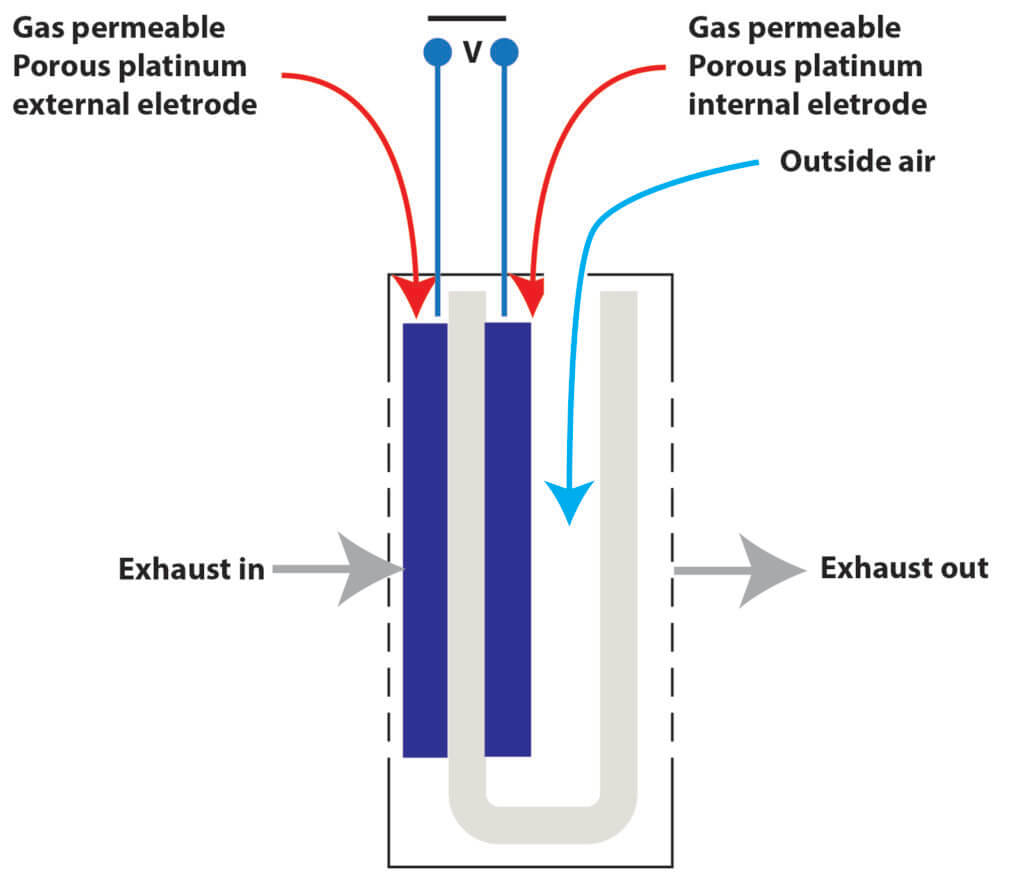
• At the core of the sensor is a ceramic element coated inside and out with a porous platinum electrode.
• The inside of the sensor is exposed to outside air, while the outside is exposed to exhaust gases.
• The sensor generates a voltage based on the oxygen difference between these two environments.
• A properly functioning O2 sensor will produce low voltage (0.1–0.3V) when the engine runs lean and high voltage (0.8–0.9V) when running rich.
• Once carbon clogs the internal pores, the sensor can no longer generate an accurate signal. That’s why you can’t just clean an oxygen sensor and expect it to work like new.
The Right Way to Fix O2 Sensor Issues
If you’re experiencing O2 sensor trouble, don’t waste time trying to clean your O2 sensor.
Here’s what you should do instead:
Fix the Root Cause of Carbon Buildup— Excessive carbon buildup usually happens due to engine issues like:
• Burning oil (worn piston rings, valve seals)
• Running rich (faulty fuel injectors, bad MAF sensor, vacuum leaks)
• Poor combustion (misfires, ignition problems)
• If you don’t fix the problem, a new O2 sensor will get clogged just like the old one.
Replace the Oxygen Sensor— If your oxygen sensor is contaminated, replacement is the only real solution. Always use a high-quality OEM or equivalent sensor for the best performance.
Perform Regular Maintenance— Use high-quality fuel and change your oil regularly to reduce carbon buildup. Ensure your engine runs at the correct air-fuel ratio by keeping sensors, injectors, and ignition components in good shape.
The Take Aways: Why Cleaning an O2 Sensor is a Waste of Time
I’ve worked with enough oxygen sensors to know that trying to clean an O2 sensor is just a waste of time and delays its inevitable replacement. If your sensor is contaminated, cleaning won’t fix it. The real solution is diagnosing the underlying issue and replacing the sensor if necessary. Don’t fall for online gimmicks—fix the root cause, and your engine will thank you.
©, 2019 Rick Muscoplat
Posted on by Rick Muscoplat