
Wrong Fuel in Car: What Happens and How to Avoid It
Have you ever been distracted at the pump and grabbed the wrong fuel nozzle? It happens more often than you’d think, and while it might seem like a minor mistake, putting the wrong fuel in your car can lead to significant problems. Let me walk you through what happens when you’ve made this error, the consequences, and what you should do about it.
What Happens When You Put the Wrong Fuel in Your Car?
If you put gasoline in a diesel engine, it can damage the fuel system and even the engine. Diesel engines rely on the lubricating properties of diesel fuel to keep components running smoothly. Gasoline, however, lacks this lubrication and acts more like a solvent.
Using gasoline in a diesel engine can cause severe and long-lasting damage including:
• Accelerated wear on critical engine components 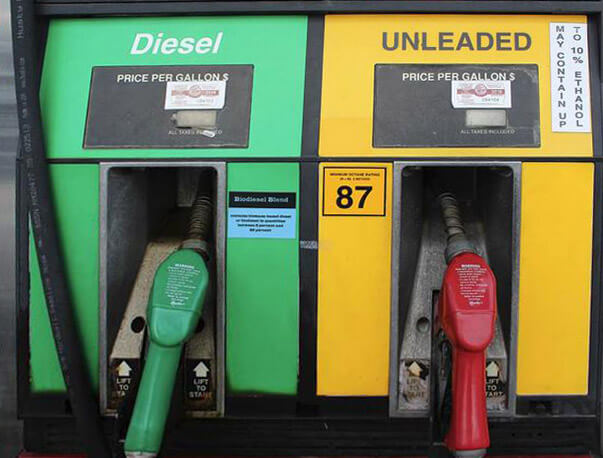 like the fuel pump and injectors.
• Its solvent properties can also harm fuel system seals and injectors, potentially causing leaks and reducing system efficiency.
For businesses dependent on diesel engines, such as those in logistics or heavy machinery, this mistake can lead to costly downtime and significant financial setbacks. To avoid these issues, always use diesel fuel and diesel-compatible oils to ensure optimal engine performance and longevity.
What to do if you filled a diesel vehicle with gasoline
1) Don’t start or drive it! Driving it will cause damage. Have it towed to a shop
2) Drain the tank to remove all the gasoline
3) Flush all the fuel lines, pump and injector
4) Refill with diesel and check for any damage
Filling a gasoline vehicle with diesel is not as bad
On the other hand, putting diesel in a gasoline engine doesn’t lubricate anything; instead, it clogs things up. Gasoline engines are designed to combust a thin volatile fuel like gasoline, which vaporizes easily. Diesel, being denser and oily, won’t combust properly in a gas engine, leading to misfires, smoke, and possibly catastrophic damage if left unaddressed.
What to do if you filled a gasoline vehicle with diesel
1) Don’t start or drive it! Have it towed to a shop
2) Drain the tank to remove all the diesel
3) Flush all the fuel lines, pump and injector (if you started it)
4) Refill with gasoline and check for normal operation
What To Do If You Put the Wrong Fuel in Your Car, Like 87 Octane in a 93 Octane Engine?
Let’s say you’ve accidentally put a lower octane fuel in your gasoline engine.
Accidentally filling your car with 87 octane 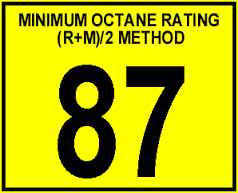 fuel when it requires 93 octane can happen, but acting promptly can minimize potential harm. High-performance engines designed for 93 octane rely on higher-octane fuel to prevent engine pre-ignition and detonation, called knock, which can cause damage over time.
The knock sensors mounted on your engine are designed to detect knock and report it to the ECM, which then retards spark timing. However, knock detection devices can’t predict knock; they only detect it after it occurs, so damaging pre-ignition and detonation can still occur under some conditions. Until you have a chance to use up some of the 87 octane fuel and add more 93 follow these driving suggestions:
1. Avoid Hard Acceleration and High RPMs— Drive gently and avoid putting the engine under heavy load. Hard acceleration, towing, or high-speed driving can increase the risk of engine knock when using lower-octane fuel.
2. Dilute the Fuel As Soon As Possible— If your fuel tank isn’t full, add as much 93 octane fuel as possible to raise the overall octane level. The higher-octane fuel will mix with the 87-octane, reducing the risk of knock.
3. Use an Octane Booster— If you get a flashing check engine light while driving and the tank is full with 87 octane, add a quality octane booster to the fuel tank. These additives can increase the octane rating of your fuel, helping protect the engine.
4. Monitor Your Car— Keep an ear out for unusual engine noises, such as pinging or knocking. If you notice any issues, consult a mechanic promptly.
While one instance of using lower-octane fuel is unlikely to cause significant damage, repeated occurrences can harm your engine. Always double-check the fuel type before filling up.
The Costs of Fixing a Wrong Fuel Incident
One of the biggest concerns when dealing with the wrong fuel in your car is the cost of repairs. If caught early, draining and flushing the fuel system can cost anywhere from $500 to as much as $1,800. However, if the engine or fuel system components are damaged, repair bills can climb into the thousands.
For diesel engines that’ve been fed gasoline, the fuel injectors and pump may need replacement, which can easily cost over $2,000. Similarly, a gasoline engine contaminated with diesel might require a new catalytic converter or extensive cleaning, adding significant expense.
Posted on by Rick Muscoplat