
Car Battery Leak: What Every Driver Should Know
Understanding a Car Battery Leak: Symptoms, Causes, and Precautions
As a car owner, you may not often think about your battery, but it plays a crucial role in keeping your vehicle running smoothly. When you first discover that your car battery is leaking, you must find the cause and fix the problem immediately. A leaking car battery can cause significant damage to your vehicle and even pose safety risks if not handled properly. In this article, I’ll walk you through the symptoms of a car battery leak, the causes behind it, and what you can do to fix the problem. Additionally, I’ll cover the precautions you need to take when cleaning up after you discover your car battery is leaking battery acid.
Symptoms of a Car Battery Leak
The symptoms of a car battery leak are mainly visual, electrical, and olfactory, and each one can be an indication that your car battery is leaking acid.
1) Visual Indications of a Car Battery Leak
These are the most common visual signs of a leaking car battery:
• A white or bluish powdery substance on the battery terminals and posts— This substance is corrosion caused by contact with battery acid. The acid escapes
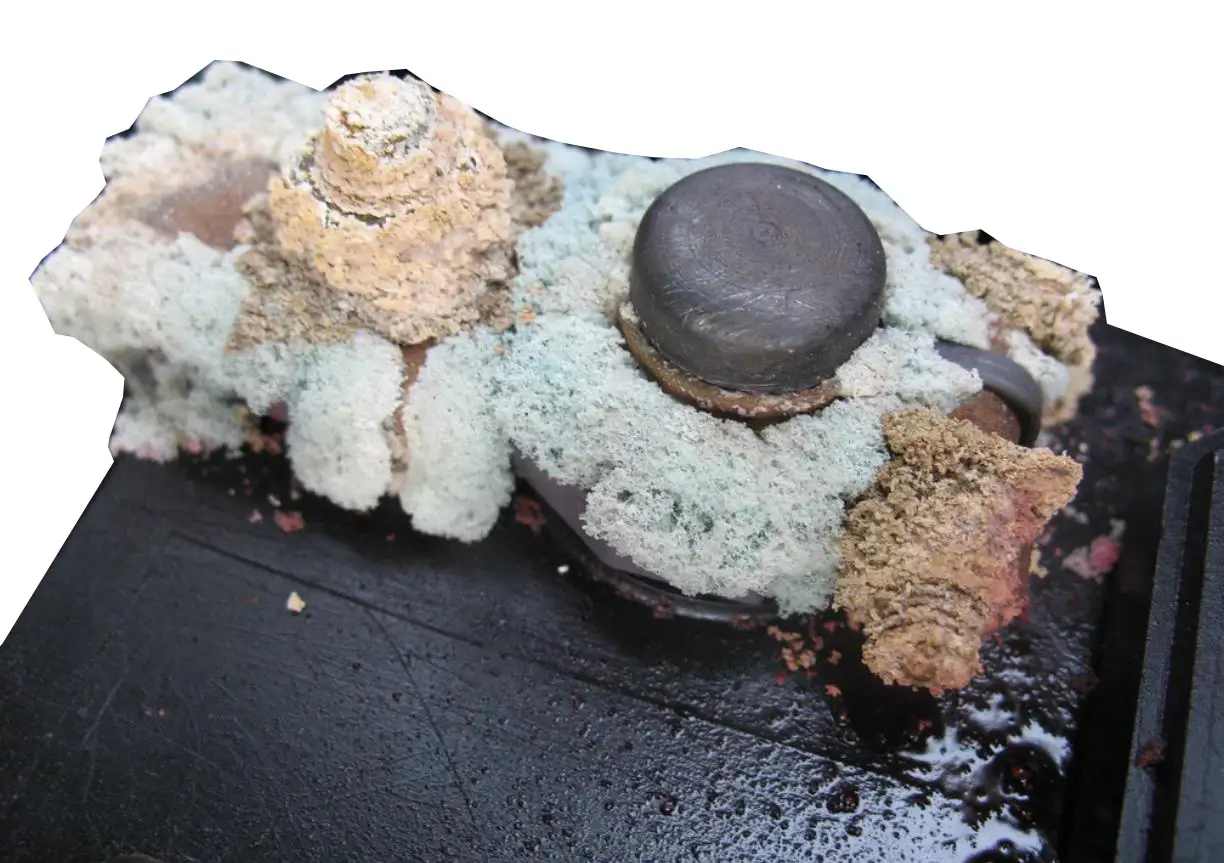
This car battery is leaking between the case and the post
between the plastic battery case and the lead battery terminal posts due to aging and expansion-contraction cycles. You can clean the terminals and posts. But if the corrosion returns quickly, that’s proof that the battery is leaking and must be replaced.
• Wet areas around the fill/vent caps— Overcharging a battery can cause it to boil and off-gas through the fill/vent caps. Overfilling a battery can also cause this symptom. However, if you haven’t filled your battery, conduct tests to find the cause of the overcharging.

• Corrosion on the battery hold-down bracket— Corrosion in this area is almost always caused by overtightening the hold-down bracket. Eventually, the high pressure cracks the battery case, allowing battery acid to leak out and corrode the bracket. This battery can’t be fixed, it must be replaced. Next time, apply just enough pressure to the battery to prevent it from moving, then stop tightening the hold-down nuts.
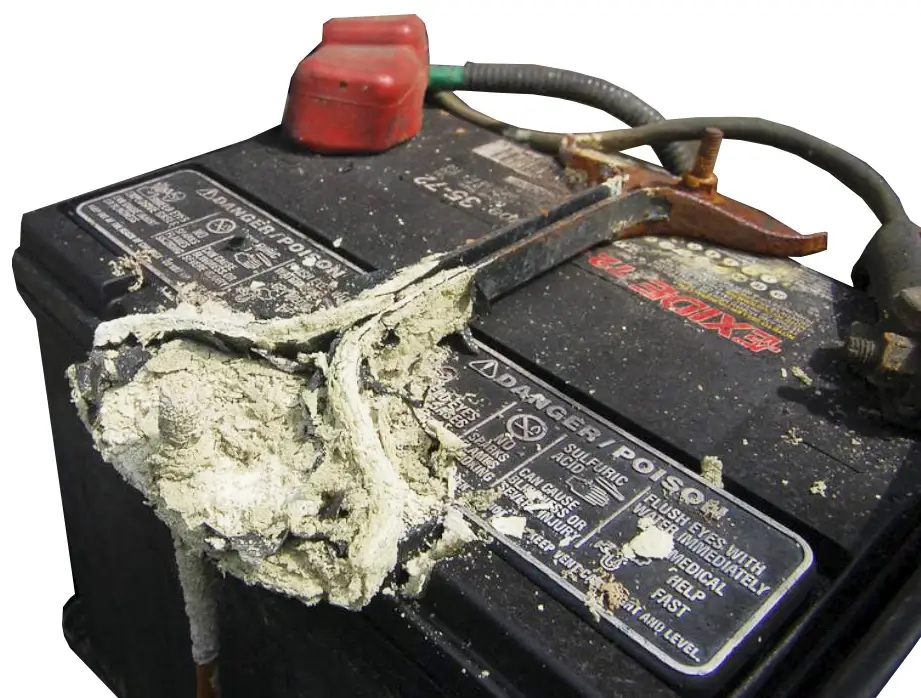
Broken car battery case from over-tightening the battery hold-down bracket
• The battery case is bulged, swollen, or frozen— Battery acid is a mixture of sulfuric acid and water (37% acid: 63% water). As a battery becomes discharged, the concentration of the sulfuric acid drops, resulting in a higher concentration of water. So, a discharged battery is more prone to freezing. As it does, the freezing water expands, causing the battery case to bulge out. The expansion almost always damages the thin lead plates inside the battery. Once a battery freezes, it is permanently damaged. Thawing it will not return it to normal operation; it must be replaced.
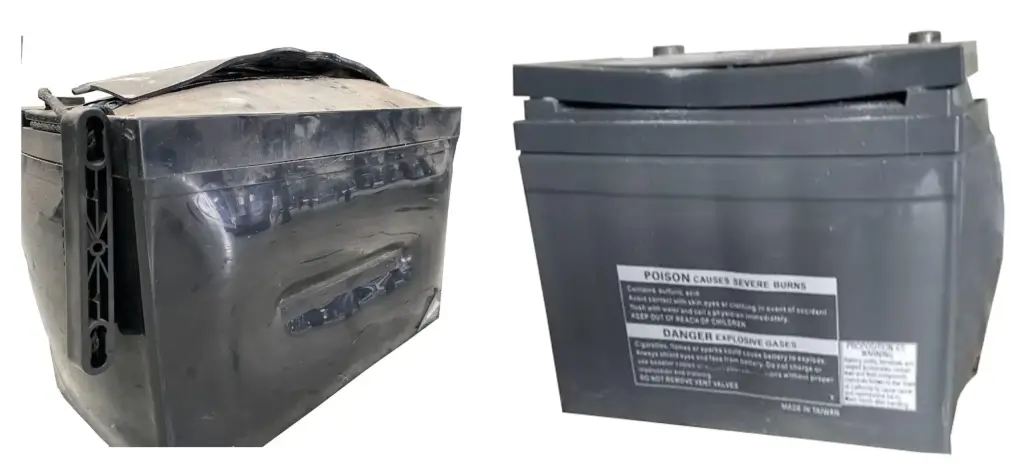
These swollen batteries are permanently damaged because the battery was discharged and the water portion of the electrolyte froze during cold weather.
2) Olfactory Indications of a leak
• A sour or rotten egg smell from around the battery—The rotten egg smell is caused by leaking hydrogen sulfide gas, which can be caused by overcharging, a crack in the battery case, low electrolyte levels, or an internal short.
3) Electrical Indications of a Leak
• Electrical issues—A leaking car battery can suffer from poor electrical conductivity, which may result in your car experiencing difficulty starting or even complete failure to start. The leaking acid can expose the lead plates to air, permanently damaging them and reducing the battery’s ability to produce power. You may notice dimming headlights, erratic dashboard lights, or flickering indicators, which could be a sign that the battery is no longer providing a stable electrical output due to acid leakage.
What Causes a Car Battery to Leak Acid?
Now that you know the symptoms of a car battery leak, it’s important to understand what causes a car battery to leak acid in the first place. Several factors can contribute to this issue, and understanding them can help you take the necessary precautions to prevent it.
1. Overcharging
One of the most common causes of a car battery leaking acid is overcharging. If your vehicle’s charging system is malfunctioning and overcharges the battery, it can cause the electrolyte fluid inside to overheat, leading to pressure buildup. This excess pressure can result in the battery casing cracking or swelling, causing sulfuric acid to leak out.
2. Extreme Temperatures
Car batteries are sensitive to extreme temperatures, and both hot and cold conditions can lead to acid leaks. In hot weather, the electrolyte fluid inside the battery can evaporate, causing an imbalance in the acid:water concentration. This imbalance can result in internal corrosion and, in some cases, a breach in the battery casing. On the other hand, freezing temperatures can cause the electrolyte fluid to expand, potentially causing cracks or leaks in the battery.
3. Age of the Battery
As your car battery ages, it becomes more prone to leaks. Over time, expansion/contraction cycles and high engine compartment heat can degrade the plastic case, causing a leak between the case and the battery posts or between the case and the battery hold-down devices. Once a car battery starts leaking acid, it’s usually a sign that it’s time for a replacement.
4. Physical Damage to the Battery
If your car battery experiences a physical impact, such as being struck by debris, dropped, or improperly installed (hold-down devices overtightened), it can develop cracks or leaks. The damage to the outer casing may lead to the leakage of acid, which can damage surrounding components and create a hazardous situation for both the vehicle and the person handling it.
Can You Fix a Car Battery Leak?
You might be tempted to use something like JB Weld epoxy or silicone seal, but don’t. They don’t work, and you risk an explosion due to leaking hydrogen gas. In other words, the real-world answer is no when it comes to whether a leaking car battery can be fixed. A leaking car battery is usually a sign of a serious internal issue. Once the battery starts leaking acid, it’s unlikely that any amount of repair will restore it to a safe, functional state.
The safest course of action is to replace the leaking battery entirely. Using a leaking battery can lead to further damage to your vehicle’s electrical system or, worse, create a fire hazard. The sulfuric acid inside the battery is corrosive and can damage metal components, leading to even more costly repairs. A
Precautions When Cleaning Up a Car Battery Leak
If you discover a car battery leaking acid, it’s essential to handle the cleanup process carefully to avoid injury and minimize the risk of further damage. Here are the key precautions to take when cleaning up a car battery leak:
1. Wear Protective Gear— Before attempting to clean up any acid leaks, ensure you are wearing proper protective gear. This includes rubber gloves, safety goggles, and long sleeves. Sulfuric acid is highly corrosive, and contact with your skin can cause burns or other injuries. It’s crucial to take the necessary precautions to protect yourself from exposure.
2. Neutralize the Acid— If you notice a leak, you can neutralize the acid using a mild base, such as baking soda. Sprinkle baking soda directly on the acid to neutralize it, turning it into a harmless substance. After neutralizing the acid, clean the area with a damp cloth.
3. Proper Disposal of the Battery— Once you’ve cleaned up the acid, the next step is to recycle the battery at any auto parts store. Car batteries contain hazardous materials, and improper disposal can lead to environmental contamination.
4. Inspect the Battery Tray and Surrounding Areas— After removing the old battery, inspect the battery tray and surrounding 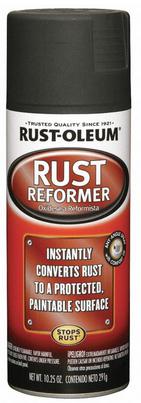 areas for any signs of corrosion or acid damage. Neutralize all the acid. Then remove all the rust on the tray and hold-down brackets. Paint the metal surfaces with a rust converter like Rust-Oleum Rust Reformer. Finally, repaint the items with a rust-inhibiting spray paint.
Take Aways From This Article
• A leaking car battery is always a sign of a problem that must dealt with. If left alone, the leak will eventually cause complete battery failure, leaving you stranded.
• The leaking battery acid can eat away at your inner fender and corrode other metals in the engine compartment. Remove the leaking battery and neutralize all the areas with battery spray or a baking soda and water paste.
• You can’t fix a leaking battery. It must be replaced.
• Battery acid can cause skin burns and eye damage. So, always wear rubber gloves, eye protection, and long sleeves when dealing with a leaking car battery.
• If you’re unsure about handling a car battery leak yourself, it’s always best to seek the help of a professional mechanic to ensure the job is done safely and correctly.
©, 2025 Rick Muscoplat
Posted on by Rick Muscoplat