
Grinding Noise When Braking: Signs of Serious Brake Problems
Troubleshooting the Grinding Noise When Braking
Experiencing a grinding noise when braking is a clear indication that something is wrong with your vehicle’s braking system. This noise can be not only annoying but also a warning sign of potentially severe issues that could compromise your vehicle’s safety. This article explores the common causes of grinding noises during braking, the importance of addressing these issues promptly, and preventive maintenance strategies to ensure a reliable and safe braking system.
What causes the grinding noise when braking?
1) Brakes grind when the pad material wears off or breaks off, resulting in metal-to-metal contact with the rotor
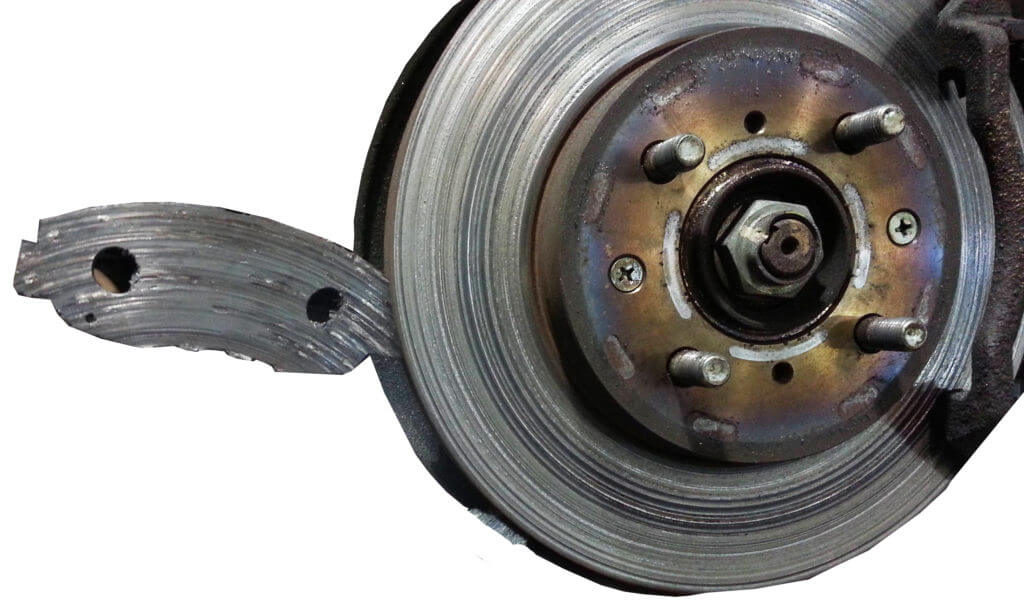
This image is an example of what happens when the friction material wears off the brake pad and breaking causes metal to metal contact between the brake pad backing plate and the rotor
When the steel brake pad backing plate grinds against the brake rotor, you’ll hear a loud metallic grinding sound. Metal-to-metal contact wears off the surface of the rotor and destroys the brake pad backing plate.
2) Brakes grind when the pad material has glazed from overheating

An overheated brake pad develops a shiny surface that slides across the rotor face and vibrates, creating a grinding noise
Brake grinding noise is caused by uneven brake pad contact with the rotor
The brake pads must apply and retract smoothly in their guide areas. Corrosion buildup that prevents the pad from moving or retracting freely will result in a sticking brake that applies uneven pressure against the rotor, decreasing braking power and causing that portion of the friction material to overheat.
3) Brakes make grinding noise when the brake pad has failed

The brake pad backing plate has rusted. “Rust jacking” (expanding rust) causes the friction material to debond from the backing plate. The friction material cracks, causing uneven friction material to the rotor application, which causes a grinding noise

Cracked friction material due to backing plate rust and debonding

Friction material edge lift due to substandard backing plate steel that flexes during application causing debonding. This also causes grinding noise.
The brakes make a grinding noise when the brake pads are seized
When brake pads can’t move freely in their slots, they apply unevenly, causing a grinding noise due to excessive vibration.
The binding can cause only the top or bottom curved edge to contact the rotor. Or, corrosion can cause the top or bottom end, or “ears” to bind, causing brake pad taper. Either way, only a portion of the brake pad contacts the rotor, causing excessive vibrations that sound like grinding.
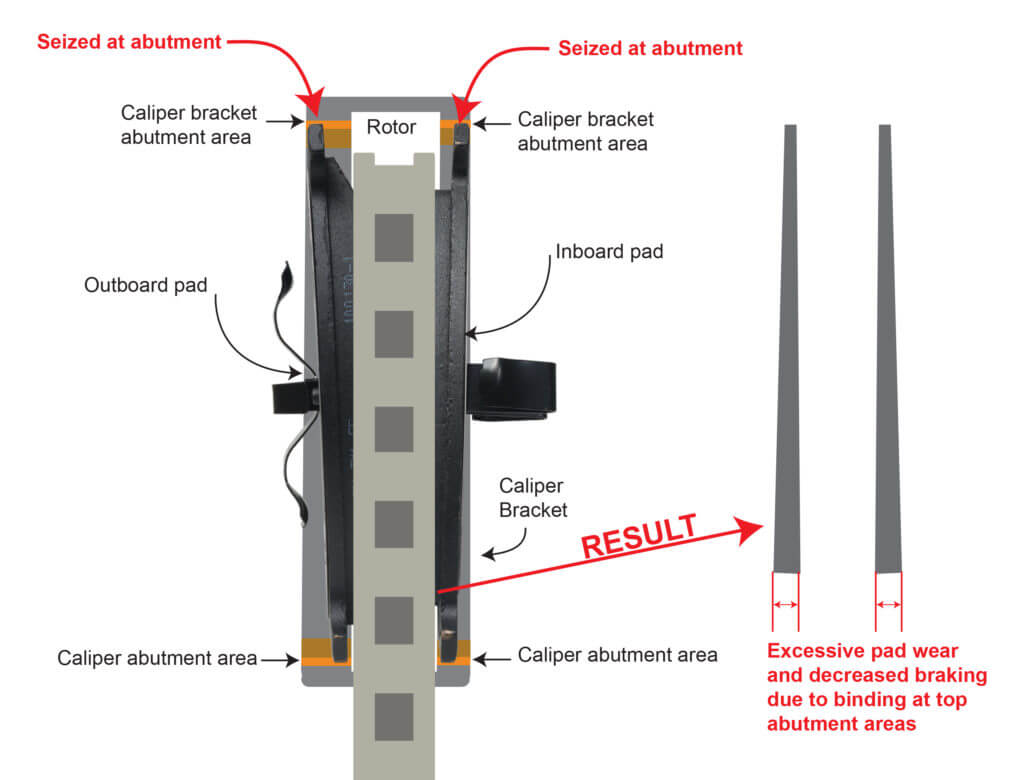
Excessive brake pad wear and decreased braking performance due to improper backing plate length, which causes binding
Brake pads can also fail due to substandard steel backing plates that flex during application. This causes the edges of the pad to delaminate, resulting in edge lift. This introduces another vibration point that can cause the brake’s grinding sound.
The Fix for binding brake pads and delamination
All economy and some low-cost “OEM” brake pads are made with substandard steel backing plates that are painted. Eventually, the paint degrades, and the steel rusts, causing the friction material to debond.
Here’s what to look for in high-quality backing plates and high-quality shims.
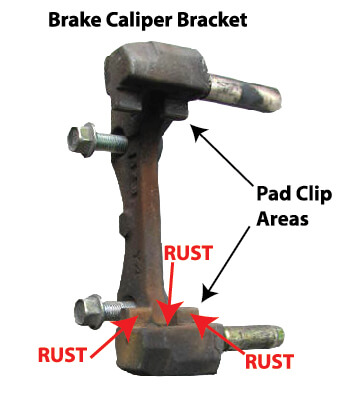
Pay special attention to the brake pad clip areas. Remove all rust from those areas and apply a light film of brake grease to prevent future corrosion and pad binding.
4) Brakes make a grinding noise when the caliper is seized
Floating calipers must slide easily along the caliper slide pins, or they will not apply even braking pressure to the brake pads. Caliper slide pins can corrode and stick the bores, preventing the caliper from applying and releasing properly.
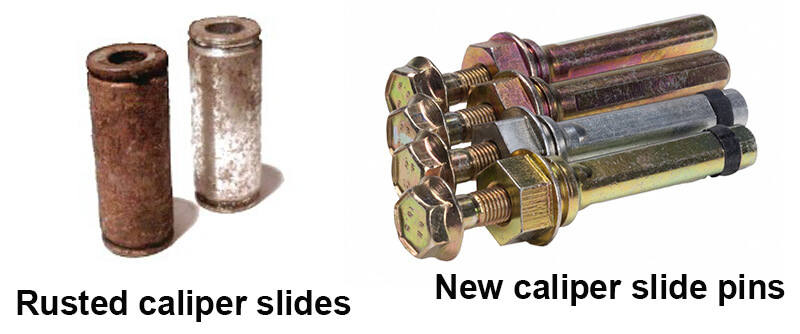
Replace corroded caliper guide/slide pins with new parts. Lubricate with a high temp synthetic brake grease.
Partial application of braking pressure can a brakes makes grinding sound condition.
The Fix for seized brake calipers
If the caliper slide pins are corroded, replace them along with the degraded rubber boots.
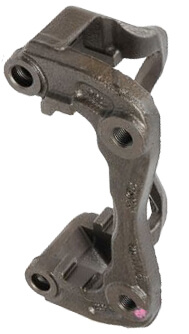
If the caliper slide pin bores are severely corroded or the slide pins are seized, purchase a replacement caliper bracket. That’s about half the cost of a new caliper
5) Brakes make a grinding sound due to improper bedding procedure
Most newer brakes are adherent versus abrasive style which means they continually deposit a sticky film on the face of the rotor. When you apply the brakes, the friction material contacts the sticky film, which converts rotary motion to heat to stop the vehicle.
New brake pads must be “bedded” to the rotor to apply an even film coating on the rotor face. Every manufacturer and every type of pad has its own bedding procedure. If done improperly, you can actually create excessive vibration that sounds like grinding because you’ve deposited too much or too little of a film layer.
The Fix for improper bedding
Using 150-grit sandpaper and a random orbital sander, sand the rotor face on both sides to remove brake pad film buildup.
The Fix for metal-to-metal contact
Replace brake pads and rotors with high-quality parts. See this post on how to shop for high-quality brake pads. Clean all contact areas and replace all brake hardware, including anti-rattle clips, shims, caliper slide pins, and boots. Use high-temperature synthetic brake grease.

The image above (upper left) shows a cutaway of a brake rotor. The rotor consists of two rotor plates, cooling vanes and a “hat” area. When you get metal to metal contact, the steel backing plate can grind off an entire rotor plate (upper right) or thin the plate so much that it can’t brake properly (bottom image).

Friction material gone. Backing plate rubbing against rotor
©, 2019 Rick Muscoplat
Posted on by Rick Muscoplat