
Honda P0339 Code: Causes, Symptoms, and Proven Fixes
What Causes a Honda P0339 Code?
Quick Summary
When I encounter a Honda P0339 trouble code, I know the engine computer is reporting an intermittent crankshaft position sensor signal to the ECM. The crankshaft sensor is one of the most critical sensors in the engine management system because it tells the computer exactly where the crankshaft is located and how fast the engine is spinning. If that signal becomes unstable, the computer can’t properly control ignition timing or fuel injection.
In many cases, a Honda P0339 code is caused by:
• a failing crankshaft position sensor,
• damaged wiring, or
• a loose electrical connection.
• However, some Honda vehicles—especially certain 2008–2009 Honda Accords with the 2.4-liter engine—can set a Honda P0339 due to a software issue in the engine control module that misinterprets the crankshaft signal. The fix in those cases often involves updating the ECM software and performing a crankshaft position relearn procedure.
From a diagnostic standpoint, resolving a Honda P0339 problem requires checking the crankshaft position sensor signal, inspecting wiring, verifying the battery and cable condition, and confirming that the engine control module software is up to date.
What a Honda P0339 Code Really Means
After decades of diagnosing engine performance problems, I can tell you the Honda P0339 co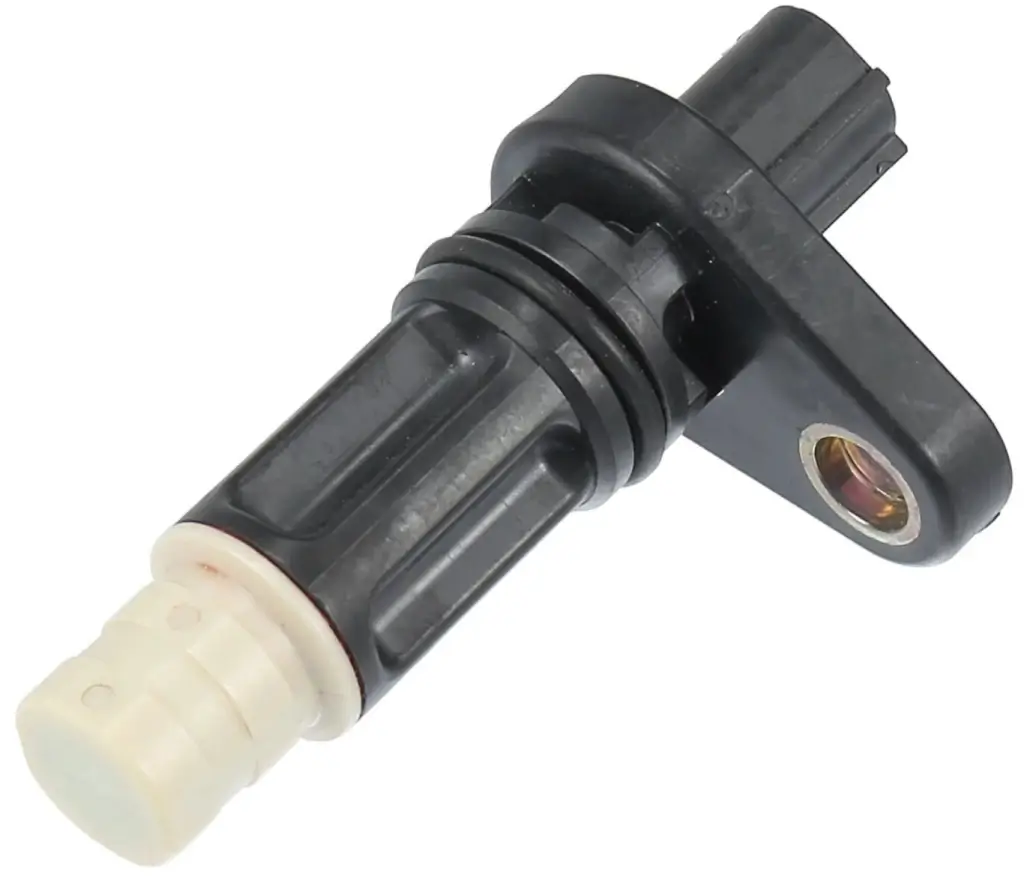 de is one of those trouble codes that can fool even experienced techs.
The official definition is: Crankshaft Position Sensor “A” Circuit Intermittent. That word intermittent is everything. It means the signal isn’t gone—it’s dropping out occasionally. And that’s a big deal because the crankshaft position sensor is the most important timing input the engine computer relies on.
The sensor monitors a reluctor wheel on the crankshaft and tells the engine computer:
• Engine speed (RPM)
• Crankshaft position
• Ignition timing
• Fuel injection timing
When that signal becomes unstable, the computer loses track of engine timing—and that’s when the Honda P0339 code sets.
Why the Crankshaft Sensor Matters So Much
I like to describe the crankshaft position sensor as the “heartbeat” of the engine management system. Without it, the computer doesn’t know when to fire the spark plugs or inject fuel. So when you get a Honda P0339 code, you’re dealing with a core engine control issue—not a minor glitch.
Symptoms I Commonly See With a Honda P0339 Code
Because the signal drops in and out, the symptoms are often unpredictable. That’s what makes this code tricky.
Here’s what I typically see in the shop:
• Hard starting or extended cranking
• Slow or weak cranking speed
• Random engine stalling (especially when warm)
• Rough running or hesitation
• Loss of power
• Check engine light
One of the biggest clues is intermittent stalling—the engine runs fine, then suddenly dies, then restarts as if nothing happened.
A Known Honda P0339 Issue Most People Miss
Here’s something many people—and even some shops—overlook. On certain vehicles, such as 2008–2009 Honda Accords with the 2.4L engine, Honda found that slow cranking speeds could cause the computer to misinterpret the crankshaft signal and trigger a P0339 code.
In those cases, the fix isn’t a sensor—it’s:
• ECM (PCM) software update
• Crankshaft position relearn procedure
That’s why I always say: don’t assume the sensor is bad until you prove it.
The Most Common Causes of a Honda P0339 Code
1. Failing Crankshaft Position Sensor — Heat and vibration eventually break down the sensor internally.
2. Damaged Wiring Harness — The wiring often runs near hot exhaust components and can crack or short.
3. Loose or Corroded Connector — Even slight corrosion can distort the signal enough to trigger the code.
4. Weak Battery or Slow Cranking — Low voltage can cause erratic sensor signals and false codes.
5. Damaged Reluctor Wheel — Missing or damaged teeth can create an inconsistent signal.
6. Outdated ECM Software — Especially on known Honda applications.
How I Diagnose a Honda P0339 Code (Step-by-Step)
Step 1: Check Battery and Cranking Speed — I always start here. A weak battery can cause slow cranking, which can trigger this code.
Step 2: Scan Tool RPM Check — While cranking the engine, I watch RPM on the scan tool.
Steady RPM = signal present
Dropping or erratic RPM = signal problem
Step 3: Visual Inspection — I inspect:
Wiring harness condition
Connector pins (corrosion, looseness)
Oil contamination
Step 4: Oscilloscope Test (My Go-To Method) — This is where real diagnosis happens.
A good crankshaft sensor produces a clean, consistent waveform. If I see dropouts or distortion, I know exactly where the problem is.
Step 5: Check for Technical Service Bulletins — On Hondas, I always check for software updates or relearn procedures.
How I Fix a Honda P0339 Code
Once I confirm the cause, the repair is usually straightforward.
• Replace the Crankshaft Position Sensor — This is the most common fix and often solves the issue immediately.
Repair Wiring or Connectors
• Fix broken wires
• Clean corrosion
• Secure loose connections
• Update ECM Software
• If the vehicle falls under a known Honda issue, this is critical.
• Perform Crankshaft Relearn Procedure
• After certain repairs, the computer must relearn the crankshaft pattern.
Fix Battery or Charging Issues
If low voltage caused the problem, correcting it prevents repeat failures. One interesting thing about the Honda P0339 code is that it doesn’t always indicate a faulty crankshaft position sensor.
Honda identified a problem affecting some 2008–2009 Honda Accord models equipped with the 2.4-liter four-cylinder engine. In these vehicles, slow or sluggish cranking can cause the engine computer to misinterpret the crankshaft position sensor signal and store a Honda P0339 code.
In those cases, the problem may not be the sensor at all.
Honda issued a service bulletin instructing technicians to update the ECM software so the computer correctly interprets the crankshaft signal. After the software update, a crankshaft position sensor pattern relearn procedure must be performed using a scan tool.
This is a good reminder that diagnosing a Honda P0339 code always requires verifying the entire system rather than immediately replacing parts.
A Diagnostic Insight Most People Miss
A Honda P0339 code is rarely about just one part. It’s about signal quality. If you don’t test the signal—and I mean really test it—you’re just guessing.
That’s why I always rely on:
• Scan data
• Voltage checks
• Oscilloscope patterns
Because when you fix the signal, you fix the problem.
Final Thoughts
The Honda P0339 code indicates an intermittent crankshaft position signal, which can cause serious drivability issues if ignored. But the good news is this—most fixes are straightforward once you identify the root cause.
Whether it’s a failing sensor, wiring issue, or even a software update, the key is a methodical diagnostic approach. If you follow that, you’ll solve the problem without throwing parts at it.
©, 2026 Rick Muscoplat
Posted on by Rick Muscoplat