
Mobil 1 Oil Filter Gets New Manufacturing Partner
Highline Warren Now Supplies the Mobil 1 Oil Filter
Quick Summary
Highline Warren is now the sole supplier of the Mobil 1 Oil Filter, effective February 1, 2025. The company is the #1 supplier of windshield washer fluid in the U.S., selling and distributing the Rain-X brand and private-labeling windshield washer fluid for other retailers.
Article
How Mobil 1 Oil Filter Media Design Impacts Engine Protection
When I evaluate an oil filter, I don’t look at the paint color on the outside. I look at what’s happening inside the can. The difference between a bargain filter and a premium Mobil 1 oil filter comes down to media efficiency, structural integrity, and how the filter behaves under pressure and load.
Highline Warren announced that it has
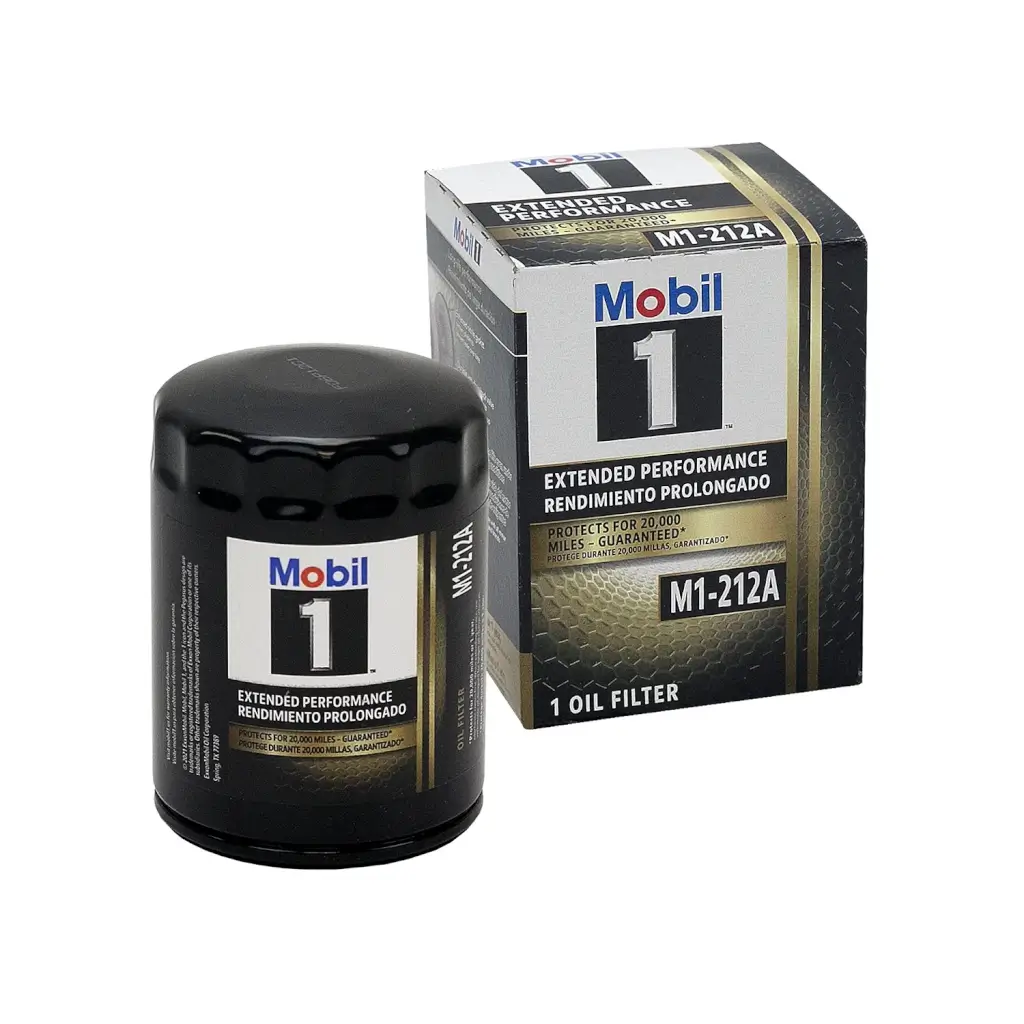
Mobil 1 Oil Filter spin on oil filter
entered a strategic collaboration with Mobil, becoming the sole supplier of the Mobil 1 Oil Filter as of February 1, 2025. That move strengthens its long-standing distribution relationship with ExxonMobil and positions Highline Warren at the center of one of the most recognized premium filtration brands in the automotive aftermarket.
Modern engines are far less forgiving than older designs. Tighter bearing clearances, variable valve timing systems, turbochargers, and smaller oil passages mean contamination control is critical. A Mobil 1 oil filter is built specifically for those demands.
Filtration Efficiency: The Real Separator
The heart of any oil filter is the filter media. Many economy filters use primarily cellulose (paper-based) media. While cellulose can trap particles, it tends to load up more quickly and may not maintain high efficiency over extended oil change intervals.
A Mobil 1 oil filter typically uses a
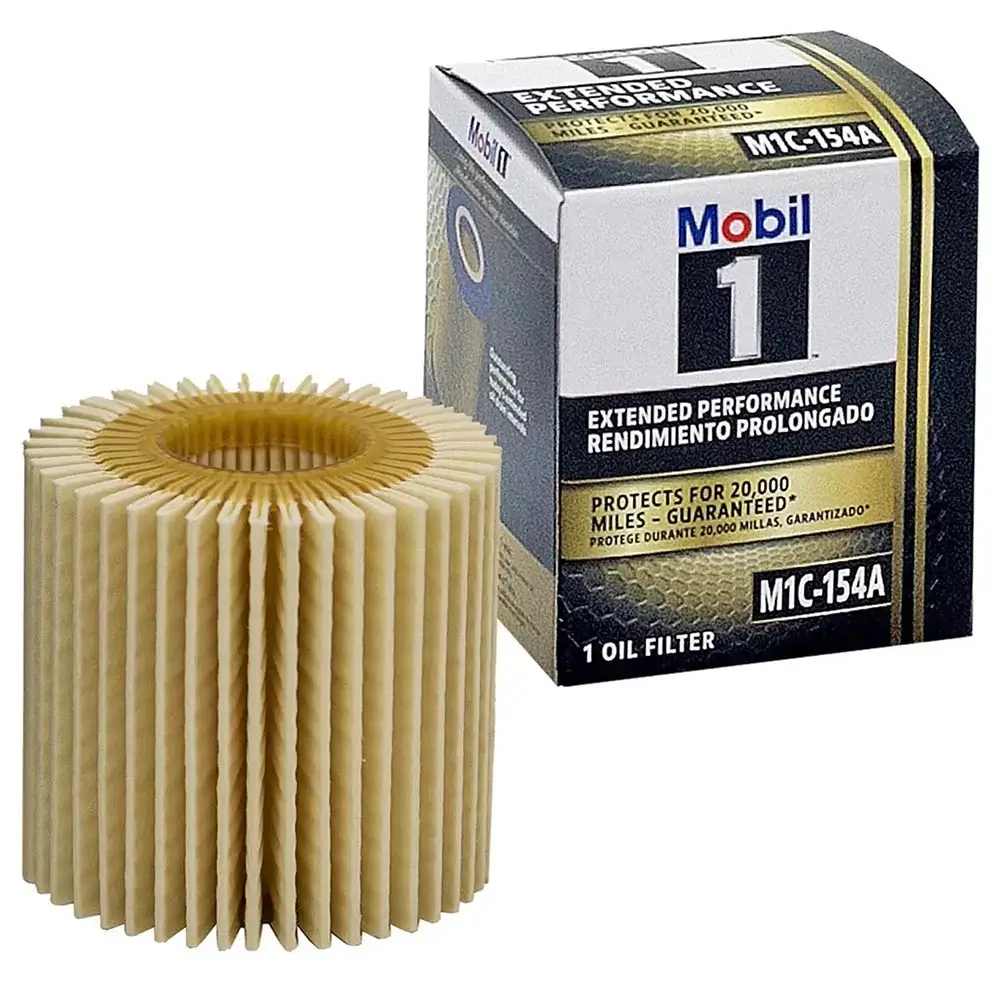
Mobil 1 Oil Filter cartridge oil filter
synthetic-blend media. Synthetic fibers allow for more uniform pore size and greater surface area. That means two important things: higher filtration efficiency and better dirt-holding capacity.
In simple terms, a Mobil 1 oil filter can capture smaller particles while maintaining oil flow longer. That matters because the most damaging engine wear occurs from particles in the 5–20 micron range. If your filter can consistently trap those particles, you reduce long-term bearing and camshaft wear.
Extended Drain Capability
Many drivers today run synthetic oil for 7,500, 10,000, or even longer intervals. Extended oil life only works if the filtration system keeps up.
A Mobil 1 oil filter is engineered for extended performance. Its higher dirt-holding capacity means it can store more contaminants before restriction becomes an issue. Inferior filters can reach their capacity limit early, forcing the bypass valve to open more frequently. When that happens, unfiltered oil circulates through your engine.
The design philosophy behind the Mobil 1 oil filter is to maintain filtration efficiency over time—not just when it’s new.
Structural Integrity Under Pressure
A Mobil 1 oil filter typically features:
• A heavy-duty canister shell
• A reinforced center tube
• Metal end caps
• A silicone anti-drainback valve
Let’s break that down.
Thicker canister — The thicker canister resists deformation during cold starts when oil pressure spikes.
Metal reinforced center tube — The reinforced center tube prevents media collapse under high RPM or cold oil conditions.
Metal end caps — The metal caps help ensure structural integrity and reduce the chance of media separation.
Silicone Anti-drainback valve — This is particularly important. Silicone remains flexible at both high and low temperatures. In contrast, cheaper nitrile rubber valves can stiffen in cold weather. If the anti-drainback valve fails, oil drains out of the filter when the engine is off, leading to dry starts. A Mobil 1 oil filter is designed to minimize that risk.
Bypass Valve Calibration — The bypass valve is one of the most misunderstood components of an oil filter. It opens when the pressure differential across the media becomes too high, ensuring oil continues to flow even if the filter is restricted. If bypass pressure is too low, the engine may circulate unfiltered oil too often. If it’s too high, oil starvation could occur in extreme conditions.
What This Means for Modern Engines
Modern engines run hotter and under higher loads than older designs. Turbocharged engines, in particular, expose oil to elevated temperatures and shear forces. Contaminant control becomes even more critical because sludge and deposits can quickly form in high-heat environments.
Using a Mobil 1 oil filter in these applications means:
• Better particle removal
• More stable oil flow
• Reduced startup wear
• Improved protection under load
In direct-injection engines, soot contamination is more common. A Mobil 1 oil filter’s synthetic-blend media is better equipped to handle that additional particulate load.
Is It Worth the Premium?
From a purely mechanical standpoint, yes—especially if you’re running synthetic oil and longer drain intervals.
If you change oil every 3,000 miles using conventional oil, the advantages may not be as dramatic. But if you follow modern manufacturer intervals, the higher capacity and efficiency become meaningful.
The Bottom Line
For engines operating under high load, with extended oil change intervals, or under turbocharged conditions, a Mobil 1 oil filter delivers measurable improvements in filtration efficiency and durability. Over the life of an engine, that difference translates into reduced wear, cleaner internal components, and more consistent lubrication performance.
©, 2026 Rick Muscoplat
Posted on by Rick Muscoplat