
Traction Control Light On and cruise not working
Is the Traction Control Light On and Cruise Not Working? Here’s What to Do
The traction control system is designed to improve driving stability and comfort. However, when the traction control light illuminates, and the cruise control stops working simultaneously, it can be concerning. Understanding the potential causes of these issues can help you diagnose and fix the problem efficiently.
When you run into a condition like this, it’s usually due to a sensor problem. Before you start throwing any parts at the problem, start by pulling the trouble codes, and not with some cheap code reader. Many of the codes that can disable traction control and prevent cruise operation are P1000-series and P2000-series codes that can’t be read by a cheap scan tool. The problem can also be a communications “U” or body “B” code. So, like any other check engine light, start with the codes. 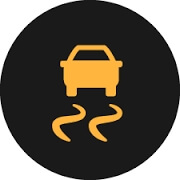
Common Causes of Traction Control Light Illumination and Loss of Cruise Control
1. Faulty Wheel Speed Sensors— Wheel speed sensors are critical components of both the traction control and anti-lock braking systems (ABS). These sensors monitor the rotational speed of each wheel and send this information to the vehicle’s electronic control unit (ECU). If one or more of these sensors fail, the ECU may disable the traction control system and, consequently, the cruise control system as a safety precaution. Common signs of faulty wheel speed sensors include erratic speedometer readings and ABS warning lights.
2. Malfunctioning ABS System— The ABS and TCS are closely linked. If there is a malfunction in the ABS, it can affect the operation of the traction control system. Common ABS issues include faulty ABS modules, damaged wiring, or blown fuses. When the ABS is compromised, the ECU may disable the TCS and cruise control to ensure vehicle safety.
3. Steering Angle Sensor Issues— The steering angle sensor measures the angle and rate of steering and provides this data to the traction control system. If this sensor is faulty or misaligned, it can cause the TCS light to illuminate and disable cruise control. Symptoms of a faulty steering angle sensor include difficulty in steering, unusual noises when turning, and a misaligned steering wheel.
4. Brake Light Switch Problems— The brake light switch, located near the brake pedal, informs the ECU when the brakes are applied. If this switch is malfunctioning, it can cause the ECU to disable both the traction control and cruise control systems. Common symptoms of a faulty brake light switch include non-functional brake lights and the inability to shift out of the park position.
5. Electronic Control Module (ECM) Malfunction— I had to include this, but it’s incredibly rare for the ECM to cause this problem without causing other trouble codes and other symptoms.
What are the parts of a traction control and stability control system?
Early traction control systems worked in tandem with the anti-lock braking system. When the system detected one wheel locking up or spinning faster than the others, the system would brake the vehicle. However, late model systems are much more complicated and include not only traction control but also stability control. Here’s what’s involved.
• Steering angle sensor—This tells the system what your steering intentions are. Based on the steering wheel angle, the system compares that reading to the actual direction of the vehicle as shown by the yaw rate and lateral acceleration sensors.
• Yaw rate sensor— The yaw rate sensor detects variation around the vertical axis of the vehicle. Stick a pin into the roof of the car and yaw is the amount or rotation around the pin.
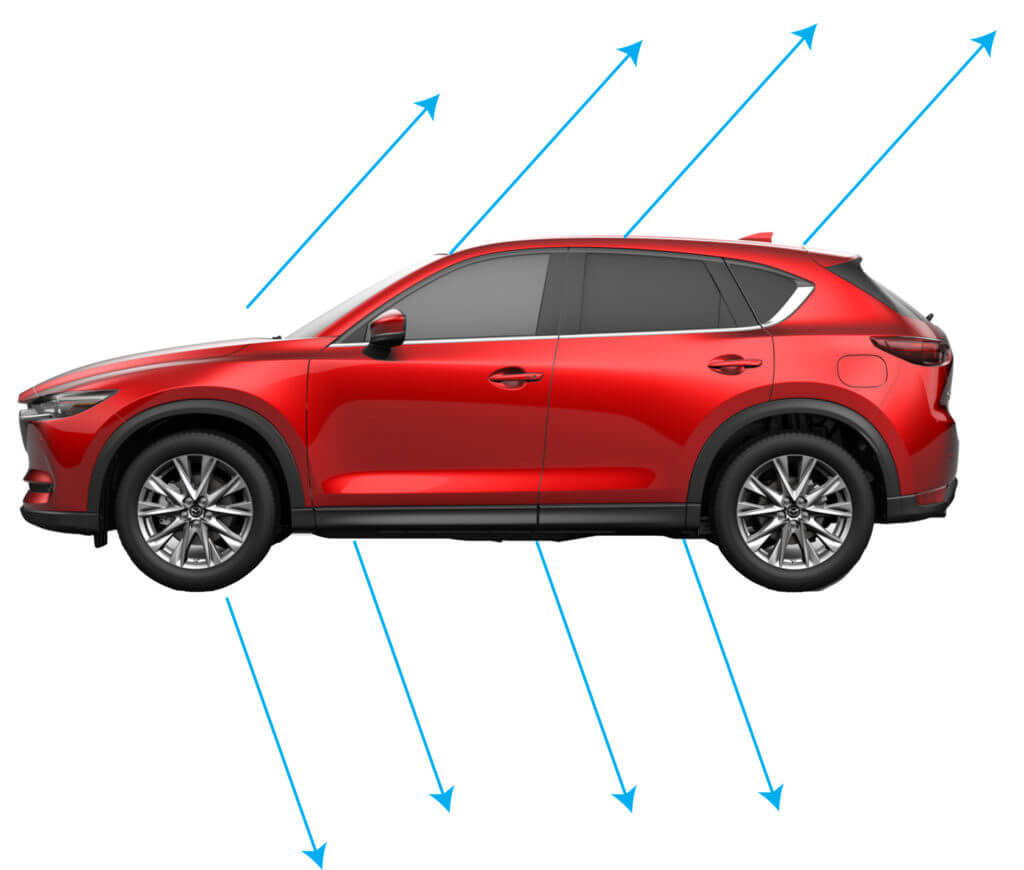
• Lateral acceleration— This sensor detects sideways movement of the vehicle.
• Wheel speed— sensors report the RPMs of each wheel.
How traction and stability control work
The traction/stability computers monitor inputs from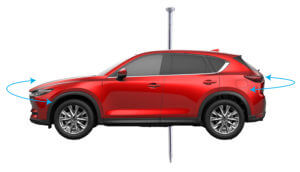
all the sensors listed above. If the system detects the vehicle going in a different direction (yaw or lateral acceleration) than indicated by the steering wheel angle sensor, it will cut engine power and apply individual brakes to try and bring the vehicle back to the intended direction. It will also immediately disable the cruise control system.
How to diagnose
Once you have the trouble codes, you can conduct tests on the individual sensors.
The steering angle sensor and the wheel speed sensors are the most common failure points because they have mechanical components, while the yaw and lateral acceleration sensors use electronic gyro and acceleration technology.