
Understanding Rev Hang: What’s the Purpose?
Rev hang — what is it and why do carmakers use it?
Rev hang occurs when the engine RPM remains elevated
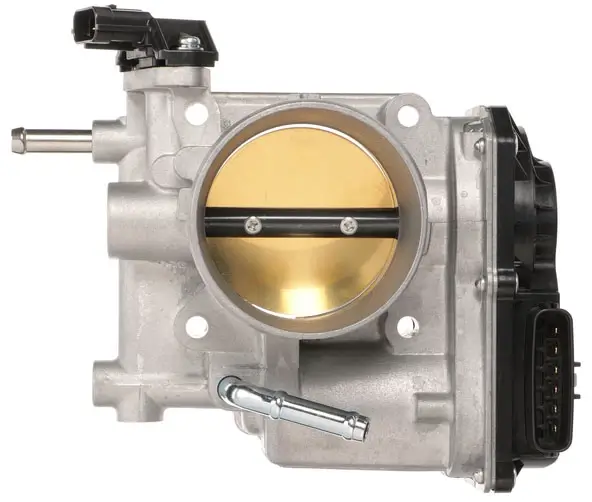
for a short period after the driver releases the gas pedal, rather than dropping immediately as the driver expects. This issue can be particularly frustrating for those who drive manual transmission vehicles, where smooth gear changes are crucial. This article delves into the reasons carmakers use software to produce rev hang and its impacts on driving performance.
Why carmakers employ rev hang software?
Fast RPM drops increase NOx emissions
It’s all about emissions. On a fuel-injected vehicle, the ECM immediately turns off the injectors when you take your foot off the pedal. So you wind up with a situation where the engine is pulling in air but no fuel, resulting in a very lean mixture as the engine RPMs spin down.
An air/fuel mixture higher than 14.7:1 burns hotter and produces more oxides of nitrogen (NOx). With rev hang software, the ECM keeps feeding fuel to the engine during deceleration to help prevent NOx formation.
A fast throttle close increases oil vaporization and oil usage
A snap-shut throttle causes an immediate spike in crankcase pressure, which increases the rate of oil vaporization in the crankcase. The increased oil vaporization, along with normal blowby, is sucked out of the crankcase by the PCV system and moved into the intake, where it is burned. The added oil places an unnecessary burden on the catalytic converter and can cause carbon buildup on the back of intake valves, especially in direct injection engines. The oil vaporization also increases oil usage.
Rev hang decreases crankcase pressure spikes and lowers oil usage
By keeping the throttle open for a small period of time after the pedal had been released, the system actually reduces pressure spikes and improves emissions compliance, while decreasing oil consumption.
How rev hang affects your shifting in a manual transmission?
In older vehicles without rev hang software installed on the ECM, you push in the clutch, back off the gas slightly but keep RPMs somewhat high so you don’t have to bring the engine RPMs back up from 0. Then you quickly change gears and give it gas as you release the clutch and off you go. So you can do quick shifts.
However, on a rev hang equipped vehicle, the engine RPMs are still too high during a quick shift, making quick upshifts less smooth, and downshifts clumsy.
©, 2021 Rick Muscoplat
Posted on by Rick Muscoplat