
Understanding the Function of a Mode Door Actuator in Vehicles
A Comprehensive Guide to Mode Door Actuators and Their Operation
In modern vehicles, the HVAC (Heating, Ventilation, and Air Conditioning) system is crucial for maintaining a comfortable cabin environment. A key component of this system is the mode door actuator, which directs airflow through the vehicle’s vents. Understanding how these actuators work and how to troubleshoot common issues can help maintain optimal HVAC performance. This guide will provide an in-depth look at mode door actuators and their operation.
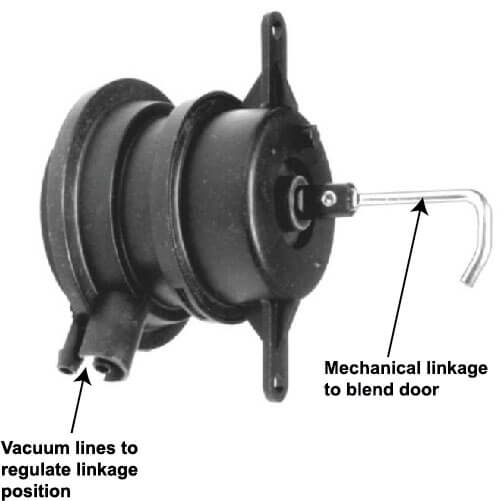
This is an example of a typical vacuum motor mode door actuator or blend door actuator.
What is a Mode Door Actuator?
Carmakers used vacuum motor mode door actuators in older vehicles. Switching from floor to dash or defrost caused a vacuum switching valve in the HVAC control head to apply or release the vacuum to one or mode vacuum motor actuators mounted on the heater box. The vacuum actuators opened or closed doors to direct air to the correct vents. However, starting in the early 2000s, many carmakers moved away from vacuum-mode door actuators to electric motors.

This is a typical Electric Mode Door Actuator
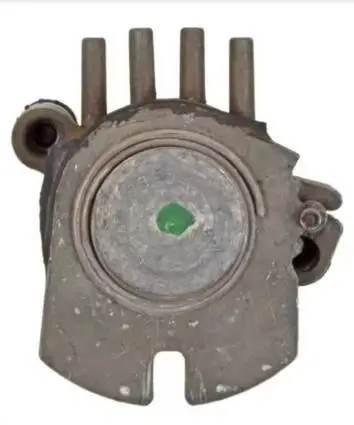
This switch is connected to the back of the mode dial on a Ford vehicle. It switched the vacuum to the correct vacuum motor
On still older vehicles, the doors were moved by cables operated by the driver.
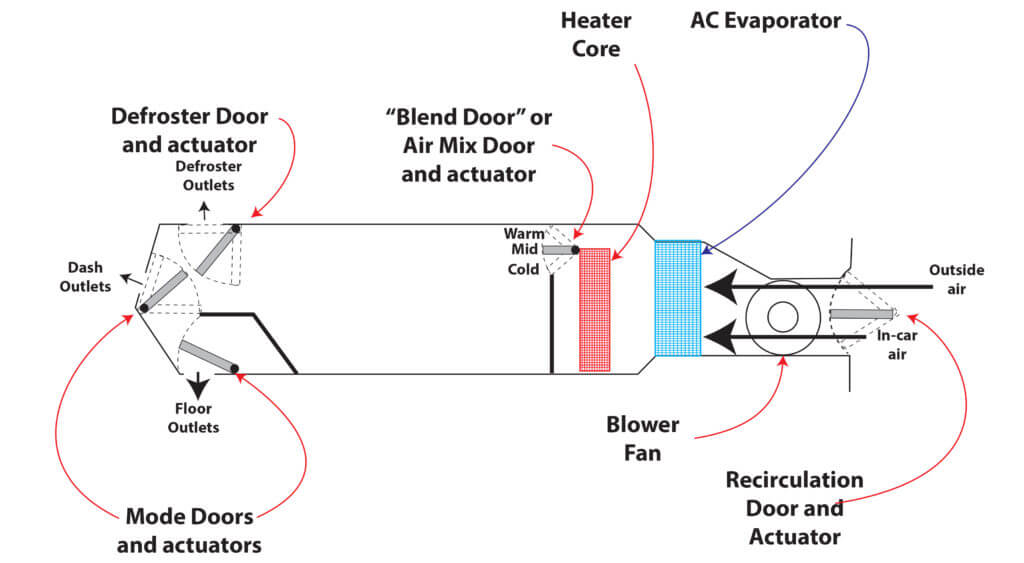
Mode doors and mode door actuators
How a mode door actuator works
Electric mode door actuators translate electrical signals from the HVAC control unit into mechanical movement.
Here’s a step-by-step look at their operation:
1) Signal Reception— When a driver adjusts the HVAC controls, the climate control unit sends an electrical signal to the mode door actuator.
2) Motor Activation:— The actuator’s motor receives this signal and begins to turn, moving the mode door to the desired position.
3) Door Adjustment— As the motor turns, it moves the mode door either via gears or a direct connection, changing the direction of airflow.
4) Feedback Loop— Some advanced actuators have feedback sensors that send information back to the climate control unit, ensuring the door has moved to the correct position.
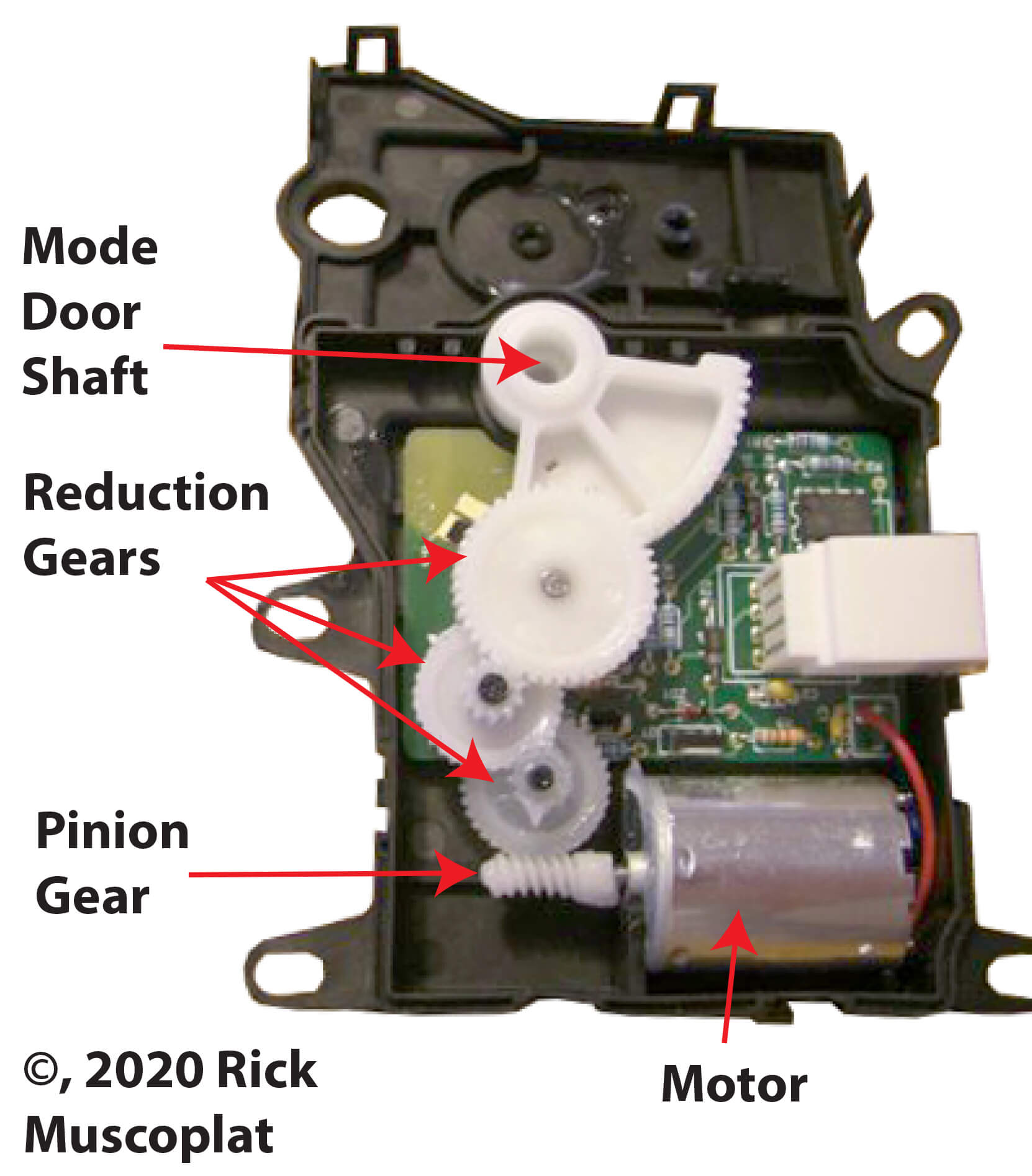
An electric mode door actuator contains a small motor, gears, and a position sensor to report back to the HVAC controller
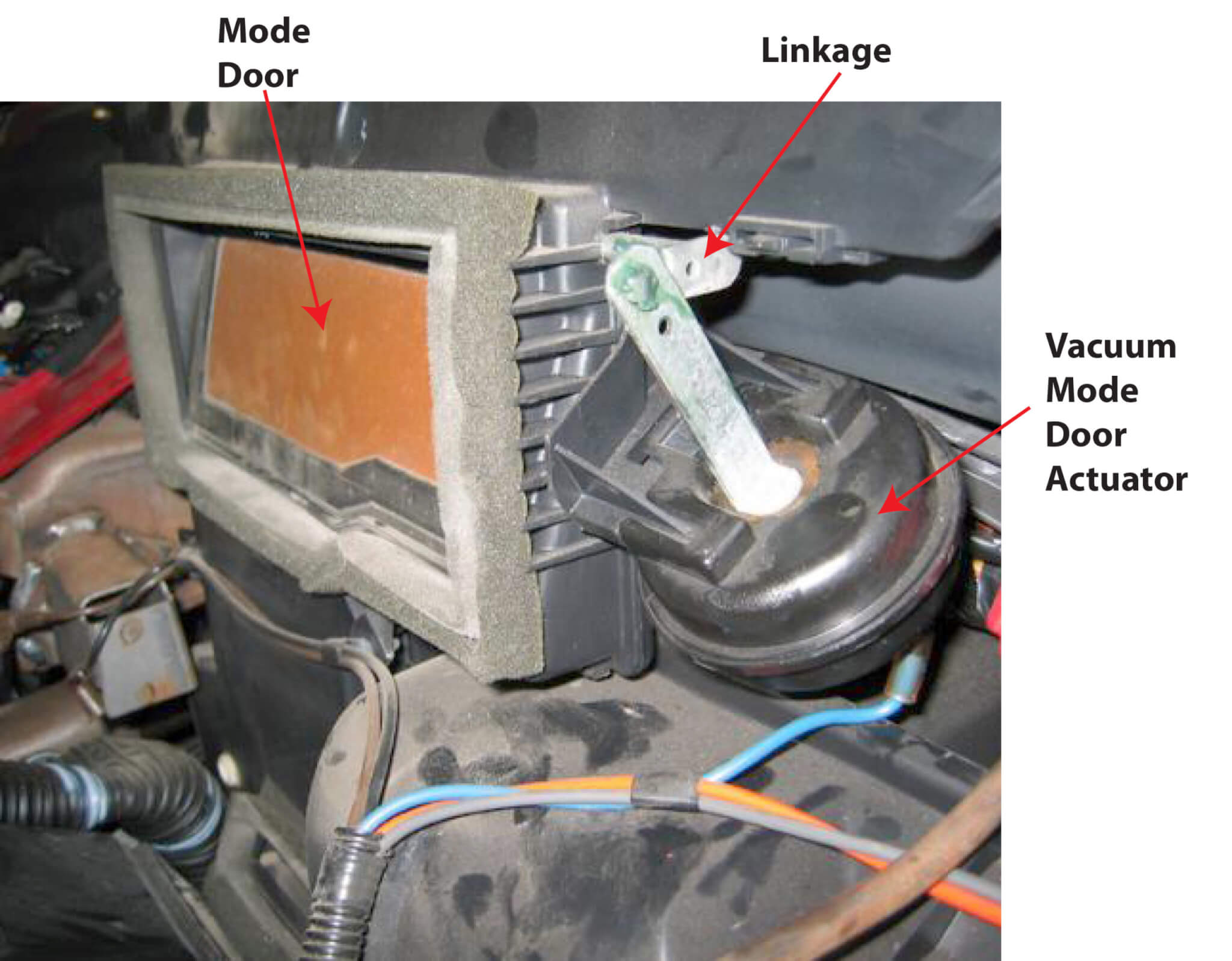
A vacuum mode door actuator runs off manifold vacuum and has vacuum lines that run up to the mode selector switch on the dash
Here are the most common bad mode door symptoms
When a door or actuator fails, you may see any of the following systems:
• The airflow doesn’t change when you select a different mode setting. This can be due to a failed electric mode door actuator, a vacuum leak to a vacuum motor actuator, a broken linkage between the actuator and the door, or a stuck mode door. Vacuum actuators are spring operated and default to a certain position when they lose vacuum.
• Air flows through multiple outlets when you choose only one outlet. For example; you switch to the floor mode, but air still comes out the dash vents.
• You hear a clicking sound when you change air direction but the airflow doesn’t change. That’s the sound of stripped gears inside an electric actuator or broken linkage between the actuator and the door.
• Snapping sound when changing air direction. The doors contain foam gasket material that can deteriorate and cause the door to stick. When the door finally moves and slams open or shut, you hear a snapping sound.
Diagnosing Door Issues
Obtain a shop manual for your vehicle to locate the correct actuators on the heater box. Once you find the correct actuator, start the vehicle and change air modes while watching the actuator to see if it moves. If it doesn’t move, remove the actuator from the heater box and manually open and close the door to determine if the door is the problem. The door should open and close without any sticking or binding. If there is sticking or binding, fix that first, or it will cause the replacement actuator to fail early.
If the door moves easily, check the wiring harness or vacuum lines to the actuator to check for signs of rodent damage, cracks or corrosion. If you don’t find any, replace the actuator.
Listen for Noises: Unusual noises such as clicking or ticking when changing HVAC settings often indicate actuator issues.
Check Airflow: If airflow isn’t coming from the expected vents, the mode door actuator may be malfunctioning.
Scan for Error Codes: Many modern vehicles can store error codes related to HVAC issues. Using an OBD-II scanner can help identify specific problems with the actuator.
Visual Inspection: Inspect the actuator for any visible signs of damage or wear. Check for loose or disconnected wires as well.
How to replace a mode door actuator?
Replacing an actuator isn’t hard. Finding it and getting enough room to get your hands and tools in there is the biggest problem. They’re usually only held in place by a few screws and replacing a actuator is as simple as removing the screws and swapping in a new unit
How to calibrate a mode actuator?
On some older vehicles with electric actuators, you can force the HVAC head to perform a calibration routine by simultaneously pressing several buttons. Check a shop manual for the procedure. But most late-model vehicles can only be calibrated with a professional-grade scan tool.
Actuator replacement cost
The repair cost for an actuator varies widely depending on the year, make, and model. If it’s easily accessible, the replacement cost is around $350. In the worst examples, the technician must remove a portion of the dash to gain access to the mode door actuator. Others can be accessed from the glove box below. The cost for the actuator itself is fairly reasonable, usually costing around $100 to $150.
©, 2020 Rick Muscoplat
Posted on by Rick Muscoplat