
Understanding Water Pump Cavitation: Causes and Effects
Common Causes of Water Pump Cavitation and How to Prevent It
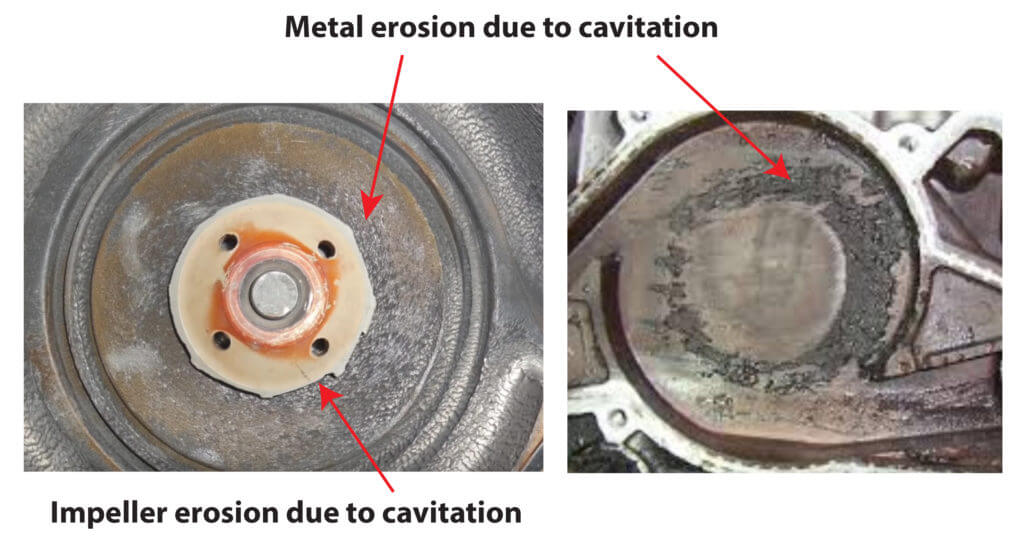
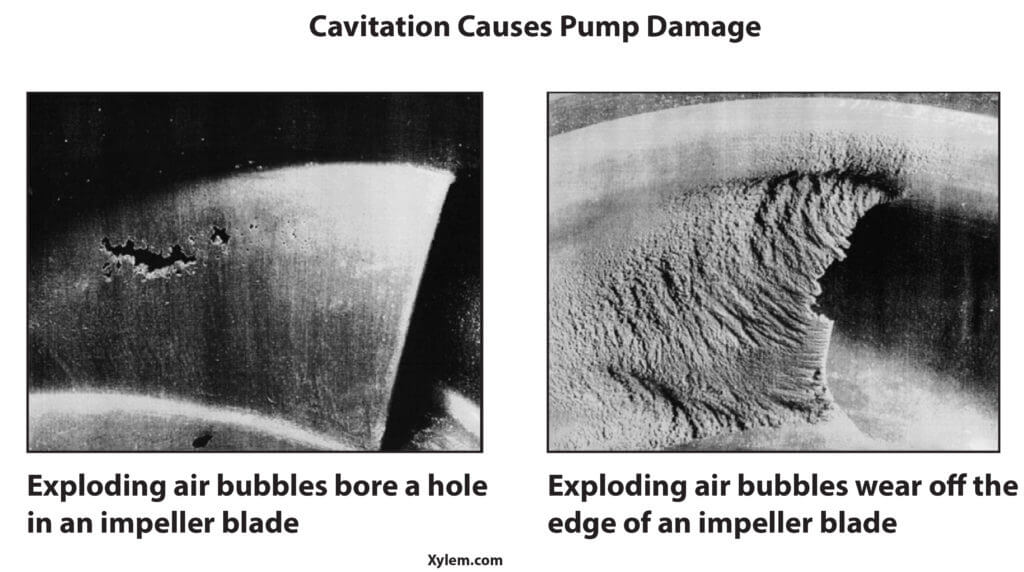
Cavitation in water pumps occurs when the pressure in the liquid falls below its vapor pressure, leading to the formation of vapor bubbles. These bubbles form in areas of low pressure, such as the suction side of the water pump. As the liquid moves to areas of higher pressure within the pump, these bubbles implode violently. The implosion creates high-energy shock waves that can erode and pit the water pump’s internal surfaces, particularly the impeller and housing.
Cavitation in water pumps in more simple terms
The water pump’s suction causes air bubbles around a pump’s impeller. When the coolant reaches a higher pressure area near the outlet of the pump, the bubbles implode in a violation manner. The implosion can eat away at the impeller and water pump housing.
What actually causes cavitation air bubbles?
All fluids have a boiling point where they turn from a liquid into a gas. If you lower the pressure or put the fluid under a vacuum, you also lower that fluid’s boiling point. When a pump is starved for fluid, it creates a vacuum condition inside the pump which lowers the fluid’s boiling point and causes it to turn into vapor bubbles.
As the vapor bubbles move from the suction side of the pump to the outlet side, the bubbles explode, creating a shock wave that hits the impeller and pump case.
What does cavitation do to your water pump?
The exploding bubbles create not only noise, but the bubbles also destroy the impeller and case. They create noise that is often mistaken for a “bad” pump when it’s actually a restriction in fluid flow.
Water pump cavitation
How to avoid water pump cavitation?
Pay attention to the water/coolant ratio
Coolant condition plays a direct role in whether your water pump will create cavitation. In fact, improperly mixed coolant (water versus concentrated coolant) changes its specific gravity and that changes how the water pump operates.
Water cools an engine better than coolant, but it should never be used in your engine because it doesn’t contain any anti-corrosive additives. Coolant manufacturers usually recommend a 50/50 water/coolant mix, but may suggest a 30/70% mix in very cold climates to prevent freezing. If the water/coolant ratio if off spec, it will effect engine cooling efficiency AND promote cavitation.
If the coolant concentration is higher than 50%, you’ll lose cooling efficiency, and that extra heat can promote cavitation.
Worn coolant causes water pump cavitation
Engine coolant contains an additive package with wetting agents or
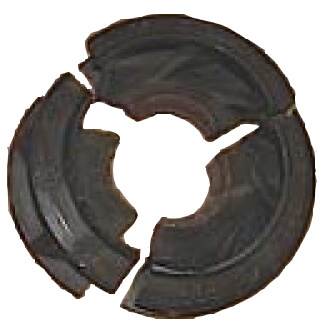
Plastic impeller damaged by high acidity and cavitation
surfactants to reduce surface tension, allowing the coolant to transfer heat more efficiently. The additive package also includes buffers to control pH and anti-corrosion additives to prevent Galvanic action (electrolysis).
As the additive package wears or depletes, the coolant tends to run hotter and become more acidic. That damages all plastic components in the cooling system, especially plastic water pump impellers.
Corrosion in the radiator causes water pump cavitation
Again, if the coolant can’t transfer heat, it runs hotter and that causes steam bubbles that result in cavitation.
Corrosion also causes leaks and leaks reduce cooling system pressure, which lowers boiling point, which causes steam.
Signs of cavitation
Engine overheating due to higher steam content and impeller degradation
Water pump leaks through the weep hole.
©, 2019 Rick Muscoplat