
Why Your Car Cranks but Won’t Fire Up
Engine Cranks but Won’t Start: Expert Guide to Fast Diagnosis
Quick Summary
When a car cranks but won’t fire up, the problem always comes down to one of three missing ingredients:
• No fuel or not enough fuel
• No spark or worn spark plugs
• Not enough or too much air
Article
When a car cranks but won’t fire up, I always approach the problem the same way: start with the most likely causes and work my way toward the more complex systems.
• No Fuel Pressure or Low Fuel Pressure
• Turn off the radio and all accessories.
• Turn the key to RUN—not START.
• Listen for a 2-second hum from the fuel tank.
• Repeat this cycle 3–4 times.
• Try starting the engine.
If the engine fires immediately afterward, the check valve is failing. I recommend having a shop perform a fuel pressure leak-down test to confirm.
If You Don’t Hear the Pump Prime
• Check the fuel pump fuse first.
• If the fuse is good and the car still cranks but won’t fire up, try this trick:
The “Fuel Pump Tap Test”
• Remove a shoe.
• Slide under the rear of the vehicle just enough to reach the fuel tank.
• Smack the bottom of the tank several times.
• Try starting the engine.
If it starts, the pump motor has a dead spot on the armature. The fix is simple: replace the fuel pump—it’s on borrowed time.
• Check the engine coolant temperature sensor (ECT)— The ECM uses data from the ECT to determine how much fuel to deliver to start a cold engine. If the ECT reading is off, the ECM won’t provide enough fuel. Use a scan tool to read the engine temperature at cold startup. If you’re starting your engine when cold, the temperature reading should match the outside temperature. If the reading is off by quite a bit, suspect a bad ECT sensor.
• Check for a flooded engine — If you crank a cold engine multiple times and it doesn’t start, chances are the engine is now flooded with fuel. Depress the gas pedal to the floor and hold it there while cranking the engine again. Depressing the pedal to the floor and holding it tells the ECM that you’re trying to clear the flood condition. The ECM shuts off the fuel injectors and allows the engine to take in air to evaporate the fuel.
• Check for worn spark plugs — Worn spark plugs can start your engine in Summer and Fall, but fail on the first cold day. That’s because it takes a lot more voltage to ignite a cold air/fuel mixture in a cold engine. If the spark plug gap has worn away, your ignition coils may not be able to produce eno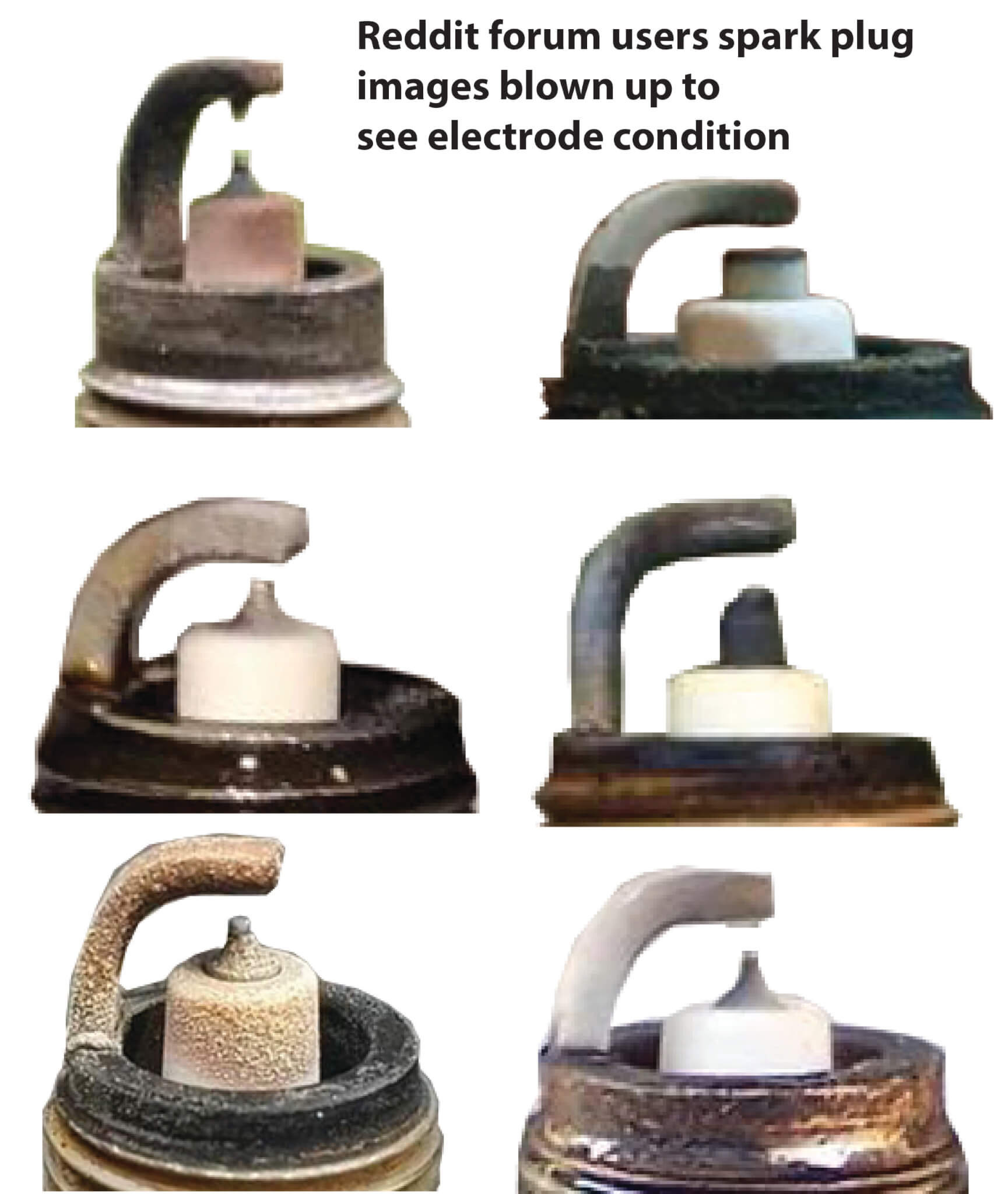 ugh voltage. If you haven’t replaced your spark plugs at the recommended mileage, now is the time to change them.
©, 2020 Rick Muscoplat
Posted on by Rick Muscoplat