
Winter Tires Versus All Season Tires: The Truth Revealed
Understand the huge advantages of winter tires versus all-season tires.
The choice of tires is pivotal in ensuring safety and optimal performance in varying weather conditions. Winter tires and all-season tires are designed to cater to different driving environments, each offering unique benefits. Understanding these advantages of winter tires versus all-season tires can help you make an informed decision about your vehicle based on your driving habits and climate conditions.
Tire Composition and Design Differences
Winter tires are built with different rubber compositions and traction-enhancing design features
Winter tires, known as snow tires, are designed to handle cold weather, snow, and ice. They are made from a softer rubber compound that remains flexible even in extremely low temperatures. This flexibility allows winter tires to provide better traction on icy and snowy roads. Additionally, winter tires feature deeper treads with unique patterns that include larger gaps and biting edges, which enhance their ability to grip snow and expel slush, gaining you more traction.
The Advantages of Winter Tires
• Superior Traction on Snow and Ice— The primary advantage of winter tires is their superior grip on snow and ice. The softer rubber compound and specialized tread design allow them to dig into snow and maintain traction, reducing the likelihood of slipping and sliding.
• Shorter Stopping Distances— Winter tires significantly reduce stopping distances on icy and snowy surfaces. This improved braking performance can be crucial in avoiding accidents and maintaining control of the vehicle in winter conditions.
• Enhanced Handling in Cold Temperatures— Winter tires provide better handling and stability when temperatures drop below freezing. Their ability to remain flexible ensures that they can conform to the road surface, improving overall vehicle control.
• Specialized Tread Patterns— The tread patterns on winter tires are designed to channel slush and water away from the tire, reducing the risk of hydroplaning. The deeper grooves and sipes (small slits in the tread) provide additional biting edges that improve traction on slippery surfaces.
• Improved Confidence and Safety— Knowing that your vehicle is equipped with tires specifically designed for winter conditions can enhance your confidence while driving in adverse weather. This peace of mind can lead to safer driving practices and a more enjoyable winter driving experience.
Winter tires have more sipes
Sipes greatly improve traction on wet pavement and ice. They are grooves in the tire tread that cut into snow and slush to give you more grip.
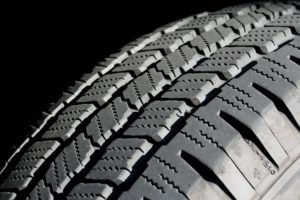
Winter tires have more sipes and they’re more aggressive than all-season tires
The sharp sipe edges also act like squeegees to scrape water off the road surface and channel it away from the contact area. Some winter tires even include “micro-pump” holes that compress under load and suction water off the road.
Winter tires improve performance even if you have a 4WD or AWD vehicle
Your 4WD or AWD vehicle divides the available torque between four-wheel instead of two, so if one wheel slips, the others can still move you. But 4WD and AWD don’t help you stop faster or keep you from sliding in turns. Winter tires do help in those situations.
Winter tires improve stopping power
Winter tire tread designs incorporate wider gaps between the tread blocks to grab and hold more snow than a comparable all-season tire. Since snow-on-snow contact creates far more traction than rubber-on-snow, winter tires provide better (and faster) acceleration and stop faster than all-season tires. Tirerack.com conducted real-world tests showing winter tires improve acceleration on snow, over all-season tires, by as much as 33% (and that’s with an AWD vehicle). Plus, winter tires improved stopping distance by a whopping 30-feet. That’s enough of a safety margin to avoid an accident, meaning the winter tires can actually pay for themselves by preventing winter accidents.

Click on the video to see TireRack.com’s test results
Winter tires improve performance on ice
The same tests show that winter tires help you stop 44% faster (18-ft) on ice too. That’s due to the tire’s sipping and rubber compound that literally squeegees water off the ice.
Here’s why you need winter tires versus all-season tires
Everyone thinks that AWD and 4WD provide more traction. They don’t. Tires get you traction; AWD and 4WD just divide up the power and deliver it to two versus four wheels. So the amount of traction you get on wet, icy, and snow-packed roads is totally dependent on the tire’s tread design, the softness of the rubber, the tire’s ability to squeegee and pump water out from the tire, and the tire’s ability to pack and retain snow in the tread blocks.
With all-season tires, an AWD or 4WD vehicle will provide better acceleration from a stop than a 2WD vehicle. And that same setup provides more control in turns. However, AWD and 4WD won’t help you stop, and the inability to stop causes winter accidents.
All-Season Tires Represent a Compromise Between Summer Tires and Winter Tires
All-season tires are designed to provide adequate performance in a variety of weather conditions, including dry, wet, and light winter conditions. They are made from a harder rubber compound that can withstand a wider range of temperatures but may become less effective in extremely cold weather. The tread pattern of all-season tires is less aggressive than that of winter tires, designed to provide a balance of traction and longevity.
Consider the cost of a single winter accident
You’re trying to slow down and hit a slick spot. You hit another vehicle. Now, you’ve got an “at fault” accident, and you’ll have to pay your full collision deductible to fix your vehicle ($500 or $1,000). Or, you slide into the curb and damage your steering or suspension. The average “curb kiss” costs between $1,000 and $2,300 dollars. Modern vehicles can’t withstand even a slow impact with a curb. See this article. Are you going to file a claim or pay out of pocket?
Winter tires save money
Installing four winter tires on your car or SUV can cost upwards of $800. But you’re getting safety and security in return that can prevent an accident. Think about this: a slow 10-MPH slide into a curb can bend suspension components, costing you about $1,1500. If you hit another car because you can’t stop, you’ll have to pay the collision deductible, and the accident will increase your insurance rates for several years.
However, if you’re a typical driver (18K miles/yr) and your winter driving season runs from mid-November through mid-March, winter tires only cost about $150 more per year than all-season tires. That’s a worst-case scenario where you decide to buy new wheels and additional tire pressure sensors, and the tires only last five years. If you keep the same vehicle, re-use the wheels, and buy a new set of winter tires, the cost difference falls to just $65 per year. So the question boils down to whether you think it’s worth $150/yr. to get much better stopping power and better handling in turns so you can possibly avoid an accident? If you avoid just one accident or curb-kiss over the length of ownership, the tires actually pay for themselves.
Balance the cost of a single accident against the cost of winter tires
A set of winter tires and wheels costs around $1,000. If you drive 15,000 miles per year and use the winter tires from December through April, you’ll only put on about 4,000 miles per season. So they’ll last ten years (theoretically). If they prevent just one curb kiss in ten years or one $1,000 deductible, they’ve paid for themselves. And that doesn’t even count in the cost of insurance premium increases due to an “at fault” accident.
How to choose the right winter tire
Tire manufacturers make multiple winter tire models. Each is designed to match the type of vehicle and work best in specific winter conditions. For example, some winter tires are designed for constant use in heavy snow conditions, while others are designed to be more effective in slush and ice. So get expert advice from your local tire dealer to match the tire to your vehicle, your climate, and your driving habits.
©, 2015 Rick Muscoplat
Posted on by Rick Muscoplat