
Best Jumper Cables for Cars, Trucks, and SUVs
Best Jumper Cables: How I Choose Jumper Cables That Actually Work When You Need Them
Quick Summary
If you’re shopping for the best jumper cables, don’t focus solely on the amp rating printed on the package. In my experience, the most important factors are:
• Wire gauge (thickness of the cable)
• Cable length
• Pure copper construction
• Clamp quality
• Cold-weather flexibility
• Safety features such as reverse-polarity protection
A high-quality set of jumper cables can last decades and may save you from a costly tow bill. The best jumper cables use thick copper wire, durable clamps, and remain flexible even in extreme winter temperatures.
Best Jumper Cables: What Really Matters
Over the years, I’ve tested countless jumper cables and helped stranded drivers in parking lots, driveways, and along the side of the road. One thing I’ve learned is that many jumper cables sold today simply aren’t capable of delivering the current needed to start a dead battery.
The packaging often focuses on flashy amp ratings, but the real story is hidden in the cable gauge, cable length, and overall construction quality.
When someone asks me what the best jumper cables are, I tell them to ignore the marketing hype and focus on the engineering.
Why Wire Gauge Matters More Than Amp Ratings
The most important specification on any jumper cable is the wire gauge. Here’s the part that confuses many buyers:
• The lower the gauge number, the thicker the cable.
For example:
10-gauge = very thin
8-gauge = better
6-gauge = good
4-gauge = very good
2-gauge = excellent
1-gauge or 1/0-gauge = professional-grade
Thicker cables have lower electrical resistance, allowing more current to flow to the starter motor.
Typical Engine Starting Requirements
The amount of current required depends on the vehicle:
• Small gasoline engine 60-200 amps
• V6 or V8 gasoline engine 200-350 amps
• Diesel engine 300-600+ amps
• Cold-weather start requires significantly higher amps
A cable that’s too thin can create excessive voltage drop, preventing enough power from reaching the dead battery.
Cable Length and Gauge Must Work Together
One mistake I see all the time is buying long jumper cables without considering wire thickness. Many people assume longer is always better. Not necessarily.
As cable length increases, electrical resistance increases as well.
That’s why a 20-foot cable should generally use a heavier gauge than a 12-foot cable.
My Recommended Combinations
• 12-foot cables: 6-gauge minimum
• 16-foot cables: 4-gauge preferred
• 20-foot cables: 2-gauge recommended
• Trucks and diesel vehicles: 2-gauge or heavier
When learning how to choose jumper cables, understanding the relationship between cable length and wire gauge is one of the most important factors.
How Long Should Jumper Cables Be?
I generally recommend jumper cables that are at least 18 feet long. Why? Because vehicles aren’t always positioned perfectly.
You may encounter situations where:
• Cars are parked nose-to-nose
• Vehicles are side-by-side
• Cars are parked front-to-back
• A disabled vehicle can’t be moved
Extra length provides flexibility and makes the jump-start process safer and easier. For most drivers, an 18- to 20-foot cable is the sweet spot.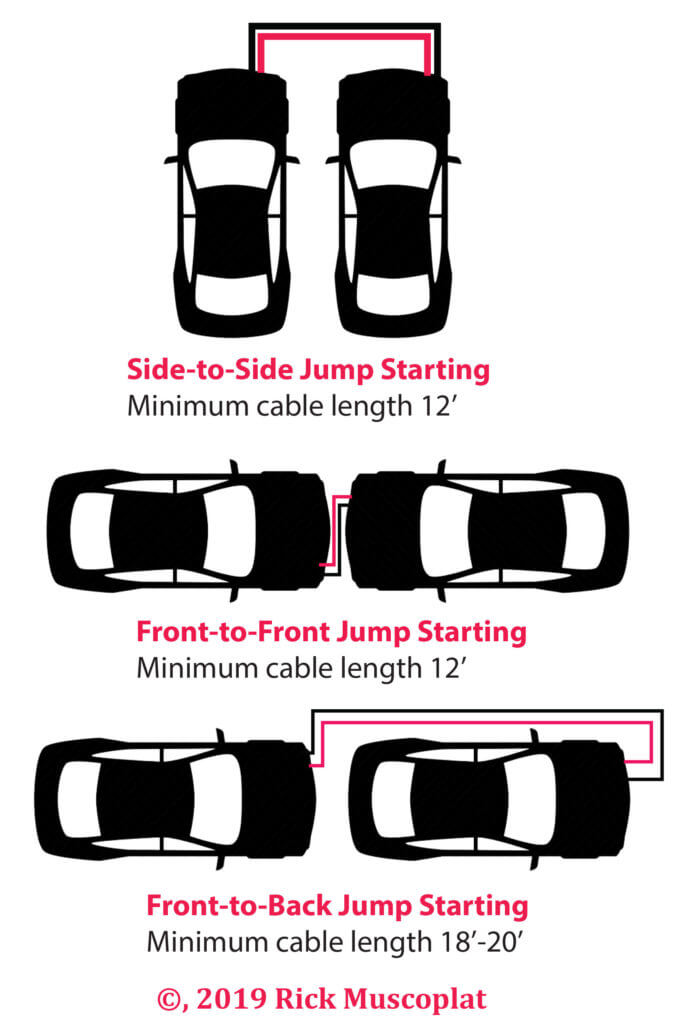
Copper vs Copper-Clad Aluminum
This is where manufacturers often cut costs. Many inexpensive jumper cables use copper-clad aluminum (CCA) wire. Although CCA cables look similar to copper cables, they don’t perform nearly as well.
Advantages of Pure Copper Jumper Cables
• Better electrical conductivity
• Less voltage drop
• More reliable cold-weather performance
• Greater durability
• Reduced heat buildup
If you’re searching for the best heavy-duty jumper cables, I strongly recommend choosing 100% copper conductors whenever possible.
Cold Weather Performance Matters
Living in a northern climate has taught me that not all jumper cables handle winter equally well. Cheap PVC insulation becomes stiff and difficult to manage in freezing temperatures. Quality jumper cables remain flexible even when temperatures drop below zero.
Look for cables rated for:
• -20°F minimum
• -30°F preferred
• Flexible rubber or premium PVC insulation
Cold-weather flexibility may not seem important until you’re standing outside in a snowstorm trying to uncoil frozen cables.
The Importance of Quality Clamps
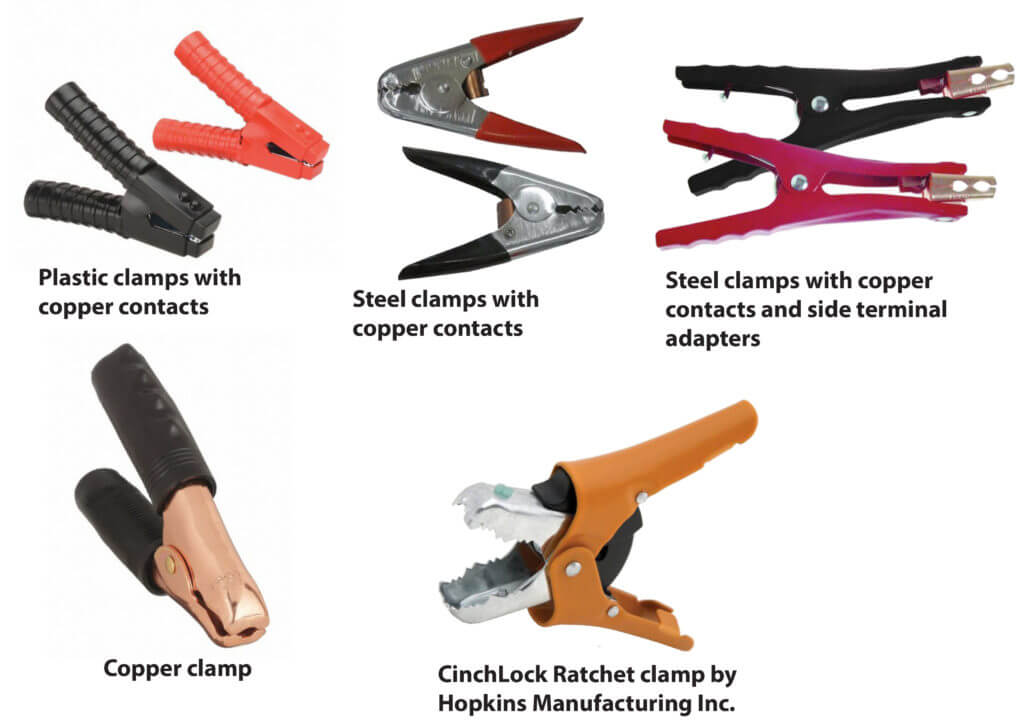
The clamps are often the first part of cheap jumper cables to fail. I’ve seen plastic-handled clamps crack, weak springs lose tension, and poor-quality contacts create excessive resistance.
Features of Good Jumper Cable Clamps
• Strong spring tension
• Copper contact surfaces
• Fully insulated handles
• Heavy-duty steel construction
• Corrosion-resistant materials
A strong clamp ensures a solid connection, which is critical when transferring hundreds of amps during engine cranking.
Tangle-Free Jumper Cables Are Worth the Extra Cost
One feature I appreciate more every year is a tangle-free cable design. Traditional cables can become a tangled mess after being stored in a trunk for months.
Tangle-free designs:
• Store more neatly
• Deploy faster
• Reduce frustration
• Improve safety during roadside emergencies
It’s a small feature that makes a big difference.
Safety Features to Look For
Modern vehicles contain expensive electronics, sensors, and control modules. Accidentally reversing cable polarity can cause serious damage.
Some premium jumper cable sets include:
• Reverse polarity protection
• Color-coded clamps
• Spark-resistant technology
• Heavy-duty insulation
• Protective storage bags
These features help reduce mistakes and improve safety.
My Recommended Jumper Cable Sizes
Compact Cars: 6-gauge, 16 to 20 feet, Pure copper preferred
SUVs and Light Trucks: 4-gauge, 18 to 20 feet, Heavy-duty clamps
Full-Size Trucks and Diesel Vehicles: 2-gauge, 20 feet, 100% copper conductors
Professional Use: 1-gauge or 1/0-gauge, Commercial-grade clamps, Premium insulation
Final Thoughts on the Best Jumper Cables
When I buy jumper cables, I don’t shop based on amp claims or flashy packaging. I focus on wire gauge, cable length, conductor material, clamp quality, and cold-weather performance.
A quality set of jumper cables may cost more upfront, but they’ll work when you need them most. That’s especially important during winter, when dead batteries are most common.
If you follow the guidelines above, you’ll avoid the disappointment of cheap cables that can’t deliver enough current to start your vehicle.
My advice is simple: buy the thickest pure-copper jumper cables your budget allows. You’ll likely never need to replace them again. cables work fine in ideal conditions, but real life is rarely ideal. I’ve lost count of how many times I’ve seen someone stranded because their cables wouldn’t reach. That’s why I recommend at least 18 feet for most vehicles. Longer cables cost more, but they dramatically increase the odds that you’ll be able to connect safely and correctly without stretching clamps or routing cables dangerously close to moving parts.
See this article on jumper cable length, wire gauge, and how much current you lose as you increase length.
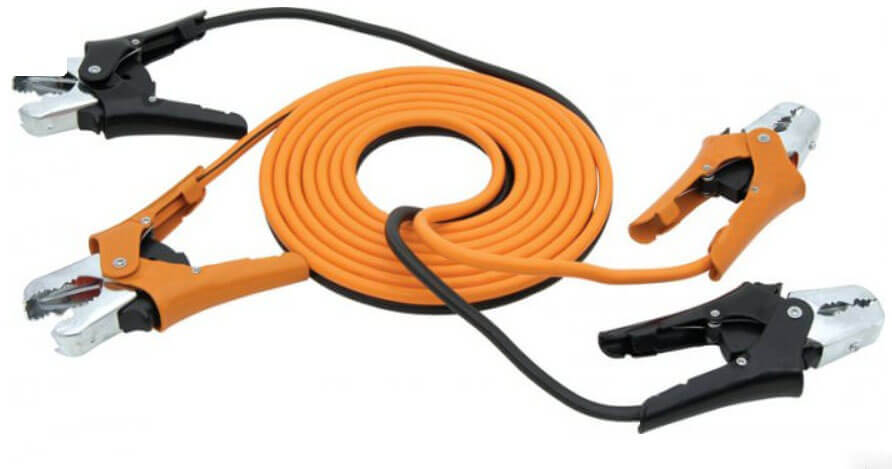
Tangle-free jumper cables eliminate the hassle of untangling cables in cold weather
frozen mess of cables on the side of the road. That’s why I always recommend tangle-free designs. These are typically molded or bonded as a single paired cable rather than two loose leads.
It’s a small detail, but when you’re learning how to buy jumper cables, it’s one of those features you’ll appreciate every single time you use them.
Jumper Cable Clamps: Where Cheap Sets Fail First
Clamps are another common failure point. Cheap jumper cables often use plastic-handled clamps with thin copper inserts. Those plastic handles crack in cold weather, and the weak spring pressure leads to poor connections.
The best clamps are made of solid copper or heavy steel, with copper contact surfaces and fully insulated handles. A strong clamping force ensures good contact, reducing resistance and heat buildup during cranking.
Polarity Protection: A Smart Upgrade Worth Paying For
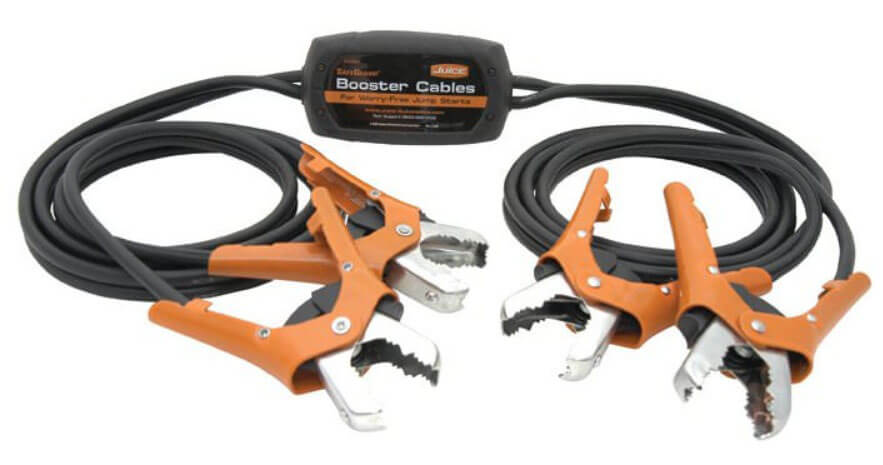
Modern vehicles are packed with sensitive electronics, and incorrect polarity connections are one of the fastest ways to blow fuses or damage control modules. That’s why polarity protection is one of my favorite features when advising people on how to buy jumper cables.
Some premium cable sets include built-in protection that prevents damage if the clamps are accidentally connected backward. Considering how expensive vehicle computers are, this feature alone can pay for the cables many times over.
Final Thoughts: How I Decide How to Buy Jumper Cables
Ultimately, learning to buy jumper cables is about planning for worst-case scenarios. Long enough to reach. Thick enough to carry real current. Flexible enough to use in winter. Strong enough to last for years.
Cheap jumper cables may save you a few dollars today, but quality cables save you frustration, time, and potentially expensive repairs tomorrow. In my book, that’s money well spent.
©, 2019 Rick Muscoplat
Posted on by Rick Muscoplat