
Blower motor only works on high speed
Why a Blower Motor Only Works on High Speed
Quick Summary
If your blower motor only works on high speed, the most likely cause is a failed blower motor resistor. In most vehicles, the high-speed setting bypasses the resistor entirely, so the fan can continue operating on high even when the resistor fails. Other possible causes include:
• A bad blower motor control module
• A damaged connector
• Excessive blower motor current draw,
• A faulty fan speed switch
• Wiring issues.
Diagnosing the problem usually involves inspecting the resistor, testing voltage and continuity, and checking the blower motor’s current draw.
If you’re searching for a blower motor that only works on high speed fix, this guide will walk you through the most common causes, diagnostic steps, and repair solutions.
Why Does a Blower Motor Only Work on High Speed?
I’ve diagnosed this problem hundreds of times over the years, and the answer is surprisingly simple.
Your vehicle’s HVAC system uses a resistor or an electronic control module to reduce the voltage and create lower blower speeds. When that component fails, the lower speeds disappear.
However, manufacturers typically design the high-speed setting to bypass the resistor completely. That means the blower motor still receives full battery voltage on high speed, allowing it to continue operating.
As a result, you’ll often experience these symptoms:
• Fan works only on high
• Speeds 1, 2, and 3 don’t work
• Air conditioning still cools properly
• Heat still functions normally
• Airflow is available only at maximum speed
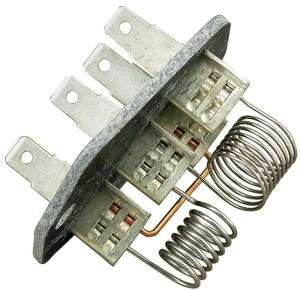
Older style blower motor resistor with exposed resistor elements.
The Most Common Cause: Failed Blower Motor Resistor
The blower motor resistor is by far the most common culprit.
Older resistor packs contain several resistance coils that reduce voltage to create multiple blower speeds. When one or more coils burn out, those speeds stop working. In many designs, a single failed resistor can eliminate all lower speeds.
Symptoms of a Bad Blower Motor Resistor
• The blower only works on high
• One or more lower speeds are missing
• Intermittent fan operation
• Burnt electrical smell near the HVAC system
• Visible heat damage on the resistor connector
How to Diagnose It
• Turn the fan switch through all speed settings.
• Verify that only high speed works.
• Locate the blower motor resistor.
Inspect for:
• Burned coils
• Corrosion
• Melted connectors
• Cracked resistor elements
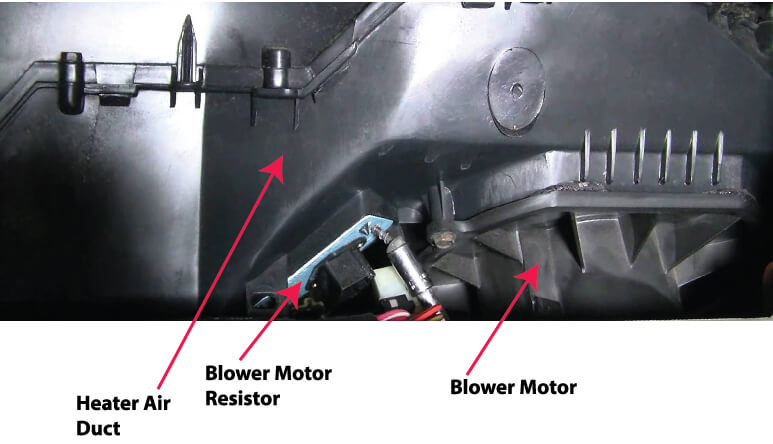
The resistor is typically mounted in the HVAC ductwork near the blower motor to keep it cool.
How to Fix It
• Disconnect the electrical connector.
• Remove the mounting screws.
• Install a new resistor assembly.
• Reconnect the wiring.
• Test all fan speeds.
In many vehicles, this repair takes less than 30 minutes. responsible for giving you three blower speeds.
Honda vehicles use a pulsing power transistor to vary blower motor speed. For more information on how the Honda system works, read Honda Blower Motor Diagnostics and Replacement
Bad Blower Motor Control Module — Many newer vehicles no longer use traditional resistors. Instead, they use a solid-state blower motor control module. When these modules fail, they can exhibit symptoms similar to those of a bad resistor.
Common Symptoms
• Fan stuck on high
• Fan stuck on low
• No blower operation
• Intermittent speed control
Diagnosis
Use a scan tool if the HVAC system is electronically controlled.
Check:
• Power supply
• Ground circuit
• PWM control signal
• Output voltage to the blower motor
Repair
Replace the blower motor control module. Be aware that these modules are often much more expensive than traditional resistor packs.
Melted Resistor Connector — This is one of the most overlooked causes. A failing blower motor often draws excessive current, generating heat that damages the resistor connector.
Signs of Connector Damage
• Brown discoloration
• Melted plastic
• Loose terminals
• Burned smell
• Diagnosis
Visually inspect:
• Resistor connector
• Wiring harness
• Terminal pins
Repair
• Replace the damaged connector pigtail
• Replace the resistor
• Replace the blower motor if the current draw is excessive
Worn Blower Motor — A blower motor can gradually wear out. As bearings wear and friction increases, the motor draws more amperage than it is designed for. This excess current often repeatedly destroys the resistor.
Symptoms
• Squealing fan noise
• Intermittent operation
• Repeated resistor failures
• Weak airflow
Diagnosis
• Measure blower motor amperage draw using an inductive amp clamp.
• Compare readings to factory specifications.
Even a few additional amps can overheat the resistor and connector.
Repair
• Replace the blower motor.
If you’ve replaced multiple resistors over a short period, suspect the motor first.
Clogged Cabin Air Filter — Many people 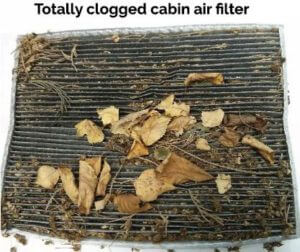 overlook the cabin air filter. A restricted filter reduces airflow across the resistor and blower motor.
Symptoms
• Weak airflow
• Dusty vents
• Repeated resistor failures
• Noisy blower operation
Diagnosis
• Remove and inspect the cabin air filter.
Look for:
• Dirt buildup
• Leaves
• Debris
• Water damage
Repair
• Replace the filter. This inexpensive maintenance item can prevent future HVAC failures.
Faulty Fan Speed Switch — Although less common, the fan speed selector itself can fail.
Symptoms
• Missing blower speeds
• Fan works only in certain positions
• Intermittent operation
Diagnosis
• Use a multimeter to verify continuity through the switch at each speed setting.
Repair
• Replace the HVAC control switch or climate control assembly.
Wiring Problems — Broken wires, corroded connectors, or poor grounds can also mimic resistor failure.
Check For
• Loose connectors
• Corroded terminals
• Damaged wiring
• Ground voltage drop
Repair
• Repair or replace damaged wiring and connectors.
Diagnostic Order I Recommend
When I diagnose a blower motor that only works on high speed, I check these items in this order:
1) Blower motor resistor
2) Resistor connector
3) Cabin air filter
4) Blower motor current draw
5) Control module
6) Fan speed switch
7) Wiring and grounds
Following this sequence solves the problem quickly and prevents unnecessary replacement of parts.
Where is the Blower Motor Resistor?
It’s usually located in the ductwork below the glove box (to keep the coils cool). Unplug the electrical connector, remove the screws, and replace the unit.
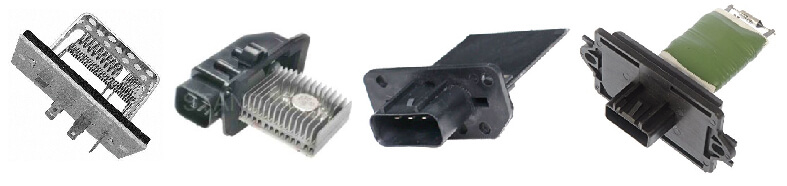
Replacement blower motor resistor blocks are usually available from any auto parts store or the dealer. Prices range from $15 to $40, unless you have a variable-speed blower motor. Those require a new solid-state controller. You guessed it, they cost a lot of money.
Final Thoughts
When a blower motor only works on high speed, the blower motor resistor is usually the culprit. However, don’t stop there. A failed resistor is often the result of another underlying issue, such as excessive blower motor current draw, a clogged cabin air filter, or a damaged electrical connector.
The key to a lasting repair is identifying not only what failed, but why it failed. Take a few extra minutes to inspect the blower motor, cabin air filter, and wiring harness. Doing so can save you from replacing the same resistor again a few months down the road.
© 2012 Rick Muscoplat
Posted on by Rick Muscoplat