
Discover the Benefits of 0W-16 Motor Oil for Engine Efficiency
Understanding 0W-16 Motor Oil: A Guide to Ultra-Low Viscosity Engine Lubrication
Using the recommended motor oil is crucial for ensuring optimal performance and longevity. In recent years, there has been a growing trend toward using lower-viscosity motor oils, particularly in newer vehicles designed for improved fuel efficiency and lower emissions. One such oil that has gained popularity is 0W-16 motor oil. This ultra-low viscosity oil is designed to provide excellent engine protection while also enhancing fuel efficiency. In this article, we will explore what 0W-16 motor oil is, its benefits, its applications, and what you need to consider when using it in your vehicle.
What is 0W-16 Motor Oil?
0W-16 motor oil is a multi-grade synthetic oil engineered for modern engines that require low-viscosity lubricants. The “0W” in the oil’s designation refers to its winter viscosity grade, indicating that it flows easily at low temperatures, providing excellent cold-start protection. The “16” refers to its high-temperature viscosity, which is significantly lower than more common motor oils like 5W-30 or 10W-40. This makes 0W-16 one of the thinnest motor oils available on the market.
The Benefits of 0W-16 Motor Oil
• Improved Fuel Efficiency— One of the primary benefits of using 0W-16 motor oil is its ability to improve fuel efficiency. The lower viscosity reduces friction within the engine, allowing it to operate more smoothly and with less resistance.
• Enhanced Cold-Start Performance— Description: 0W-16 motor oil is designed to flow easily at low temperatures, which is critical during cold starts when the engine is most vulnerable to wear.
• Lower Emissions— Using 0W-16 motor oil can also help reduce the emissions produced by your vehicle. The oil’s low viscosity means that the engine runs more efficiently, leading to lower levels of carbon dioxide and other pollutants.
Applications of 0W-16 Motor Oil
0W-16 motor oil is not suitable for every vehicle. It is specifically designed for use in newer engines that are built with tighter tolerances and require low-viscosity oils to function correctly. Some of the vehicles that may require 0W-16 motor oil include:
Hybrid Vehicles: Many hybrid vehicles, which prioritize fuel efficiency and low emissions, are designed to run on ultra-low viscosity oils like 0W-16. The reduced friction helps maximize the efficiency of the hybrid powertrain.
Fuel-Efficient Gasoline Engines: Several modern gasoline engines are engineered to meet stringent fuel economy standards. These engines may specify the use of 0W-16 oil to achieve the required efficiency levels.
Japanese Vehicles: A number of Japanese automakers, such as Toyota and Honda, have specified 0W-16 oil for some of their newer models. These vehicles are built with precise engineering standards that benefit from the use of low-viscosity oil.
This oil is specifically formulated for vehicles with advanced engine designs, including those with turbochargers, direct injection, and hybrid systems. It helps to minimize internal friction, thereby enhancing fuel efficiency and reducing emissions.
It has a longer history than you think
Japanese carmakers switched to this 0W-16 motor oil two decades ago to increase engine efficiency and reduce engine warmup time. OEMs 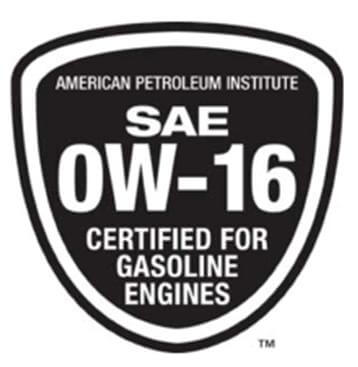 have been working on this new oil and newer engine designs for years. In fact, Honda and Toyota prepared for GF-6B oils many years ago.
When 0W16 oil is specified, it must say that it meets API SP Resource Conserving standards.
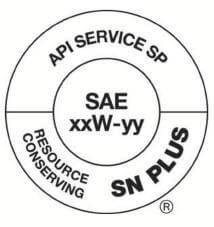
ILSAC and API are now ready for 0W-16
ILSAC now has engine test sequences to certify 0W-16 oil and GF-6B. Unlike the majority of previous oil specifications, GF-6B is NOT BACKWARD compatible! GF-6B engine oil should only be used when recommended by the OEM.
GF-6A lubricants, on the other hand, are backward compatible. So it can be used in vehicles that specify GF-1 through GF-5 in the same viscosity.
Can you use 0W-20 in vehicles that spec 0W-16?
Yes, but only in a pinch. Long-term use of 0W-20 in an engine designed for 0W-16 is NOT recommended. You must switch back to 0W-16 on all future oil changes
0W8 is another planned viscosity that will be in the GF-6B category
Can you use 0W-16 in an older engine?
NO! 0W-16 oil is designed specifically for engines with a variable-displacement oil pump. A variable displacement oil pump can deliver the correct volume and pressure using lighter-weight oils and create less drag on the engine.
These newer pumps are far more sophisticated and are often electronically controlled. In addition to the oil pump issue, switching to 0W-16 can also negatively affect variable valve timing actuators since they pulse oil based on an expected viscosity. Change viscosity, and you can cause sluggish performance of the actuators, which can cause codes and driveability problems.
Does 0W-16 cause more wear?
Absolutely not if it’s used in the engine designed for it. When used in the correct engine with a variable displacement oil pumps these new oils not only increase MPG, but provide better wear protection than a heavier weight oil.
How much gas does 0W-16 motor oil save?
It’s only 4 viscosity points lower than 0W-20 motor oil, but it improves fuel mileage by 2%.
What next in new motor oils?
0W-8
© 2021 Rick Muscoplat
Posted on by Rick Muscoplat