
How to Diagnose and Fix P0234 or P0299 Code
A Complete P0234 or P0299 Code Turbocharger Troubleshooting Guide
Quick Summary
If you’re trying to fix a P0234 or P0299 code, start by determining whether the engine is experiencing an overboost (P0234) or underboost (P0299) condition. A systematic diagnosis prevents unnecessary parts replacement and identifies the real cause of the boost control problem.
• Scan the freeze frame data
• Inspect the intake and charge air system for leaks
• Evaluate live boost sensor data
• Test the wastegate, bypass valve, and turbocharger actuators before replacing any components.
Turbocharged engines rely on precise electronic boost control. When actual boost pressure differs from the engine control module’s commanded boost for a specified amount of time, the ECM stores either a P0234 or P0299 diagnostic trouble code and may place the vehicle into reduced-power or limp mode.
What Does a P0234 or P0299 Code Mean?
Although these codes are related, they indicate opposite operating conditions.
P0234: Turbocharger Overboost Condition
P0299: Turbocharger Underboost Condition
Both codes occur when actual boost pressure falls outside the ECM’s acceptable range. Modern turbocharged engines continuously compare commanded boost with measured boost pressure using multiple sensors and sophisticated control strategies. When the deviation exceeds calibrated limits, the ECM stores a fault code and may reduce engine power to protect the turbocharger and engine.
Common Symptoms of a P0234 or P0299 code
• Check Engine Light
• Reduced engine power
• Limp mode
• Poor acceleration
• Turbo lag
• Surging under acceleration
• Rough or low idle
• Increased fuel consumption
In some cases, additional lean or rich fuel trim codes may accompany the turbocharger code because incorrect boost pressure directly affects the air-fuel mixture.
How to Diagnose and Fix P0234 or P0299 Code
Replacing the turbocharger should never be your first step. Professional diagnosis follows a logical process.
1. Read Diagnostic Trouble Codes and Freeze Frame Data — Always begin by scanning:
• Stored DTCs
• Pending codes
• Freeze frame data
This information often points directly toward the operating conditions that caused the fault and helps reproduce intermittent problems.
Freeze frame information reveals:
• Engine RPM
• Boost pressure
• Closed-loop or open-loop operation
• Engine load
• Conditions present when the code set
2. Analyze Live Scan Tool Data — Modern scan tools provide critical information for diagnosing boost problems.
Pay close attention to:
• Short-Term Fuel Trim (STFT)
• Long-Term Fuel Trim (LTFT)
• MAP sensor readings
• Intake Air Temperature
• Boost Pressure Sensor
• Barometric Pressure
• Engine Coolant Temperature
• Engine Speed
Fuel trim values are particularly valuable. Lean fuel trims often suggest an underboost condition because less air than expected reaches the cylinders, while overboost can cause the ECM to compensate by adding fuel. Understanding how these parameters interact can help isolate the root cause instead of replacing parts unnecessarily.
3. Inspect the Charge Air System — Many P0299 underboost codes are caused by leaks rather than failed turbochargers. Even a small leak can prevent the engine from reaching commanded boost pressure.
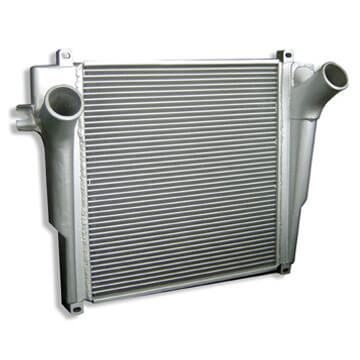
Leaks in the charge air cooler or the hoses can cause a P0234 or P0299 Code
Inspect:
• Charge air hoses
• Intercooler
• Intake ducting
• Hose clamps
• Plastic resonators
• Vacuum hoses
4. Test the Boost Control System — Turbo boost is regulated by several electronic and mechanical components working together.
These include:
• Electronic throttle control
• Variable valve timing
• Wastegate control valve
• Compressor bypass (blow-off) valve
• Variable geometry or dual-scroll turbo actuators
A sticking wastegate can create either an overboost
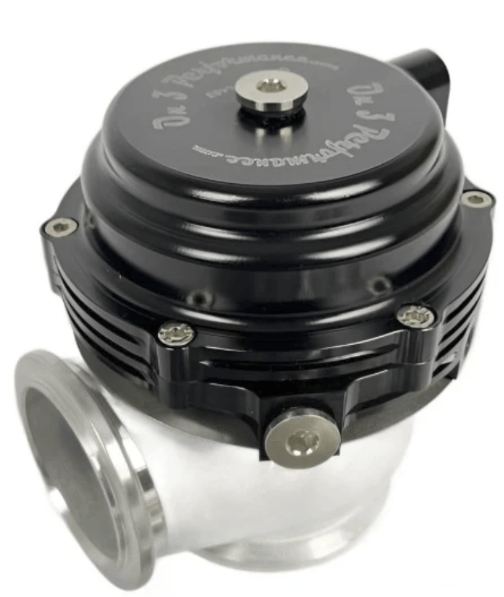
turbo wastegate
or underboost condition depending on whether it fails open or closed. Likewise, a malfunctioning bypass valve or electronic actuator can prevent the ECM from accurately controlling boost pressure.
5. Verify Sensor Accuracy — Sensor faults frequently mimic turbocharger failures. Compare live data with known-good values. A sensor reporting inaccurate pressure can trigger a boost code even when the turbocharger is operating normally.
Test:
• MAP sensor
• MAF sensor (if equipped)
• Boost pressure sensor
• Intake air temperature sensor
• Barometric pressure sensor
6. Inspect the Turbocharger — If no leaks or sensor problems are found, inspect the turbocharger itself. Only after confirming these mechanical issues should turbocharger replacement be considered.
Look for:
• Excessive shaft play
• Damaged compressor blades
• Oil leakage
• Sticking variable geometry vanes
• Damaged wastegate linkage
Common Causes of P0234 and P0299 Codes
Typical causes include:
• Charge air leaks
• Faulty MAP sensor
• Failed boost pressure sensor
• Dirty or failed MAF sensor
• Sticking wastegate
• Failed wastegate actuator
• Faulty blow-off valve
• Vacuum leaks
• Turbocharger wear
• Exhaust restrictions
• Electrical wiring problems
• ECM software issues
Many vehicles also store actuator-specific diagnostic trouble codes during startup self-tests. Addressing these faults first often resolves the boost code without additional repairs.
Preventing Future Turbocharger Problems
Preventive maintenance significantly reduces the likelihood of recurring boost-related faults.
Follow these best practices:
• Change engine oil at recommended intervals using the correct specification.
• Replace dirty air filters promptly.
• Inspect intercooler hoses during routine service.
• Repair vacuum leaks immediately.
• Allow the engine to reach operating temperature before heavy acceleration.
• Investigate unusual turbo noises before they become major failures.
Final Thoughts
Learning how to fix P0234 or P0299 code requires understanding the entire boost control system rather than focusing solely on the turbocharger. The ECM continuously monitors boost pressure using multiple sensors and controls it through electronic throttle control, wastegate operation, bypass valves, and variable turbo geometry. A thorough diagnostic approach—beginning with freeze frame data, followed by live data analysis, system inspections, and component testing—will identify the true cause while avoiding unnecessary turbocharger replacement. For professional technicians and experienced DIYers alike, methodical testing remains the fastest and most cost-effective path to a lasting repair.
©, 2026 Rick Muscoplat
Posted on by Rick Muscoplat