
How to store a car long term: 8 tips for safe storage
Follow these steps to store a car long-term
As someone who’s worked with automotive systems for decades, I’ve seen firsthand what happens when people don’t properly prepare their vehicles for long-term car storage. Whether you’re heading out for a military deployment, spending the winter elsewhere, or simply taking a break from driving, knowing how to store a car for the long term is critical if you want it to start and run like new when you return. I’ll walk you through the steps I personally take when preparing a vehicle for extended storage.
Step 1: Get Rid of Rodent Attractants
1. Clean the Engine Bay and Interior Thoroughly— Rodents are drawn to food smells, crumbs, and even spilled drinks.
2. Vacuum the interior, including under the seats and trunk.
3. Wipe down all surfaces to remove food residue or scents.
Step 2: Change the Oil Before Long Term Car Storage
One of the most overlooked steps in long-term car storage is changing the oil and filter. Used oil is contaminated with acids, combustion byproducts, and microscopic metal particles. If left in the engine, it can cause corrosion. Fresh oil, on the other hand, contains anti-corrosion and anti-oxidant additives that protect internal engine components.
Before I store any vehicle, I always change the oil and run the engine briefly to ensure that fresh oil coats all internal surfaces. That way, when I take the car out of long-term car storage, I’m not dealing with internal rust or oil sludge.
Step 3 — Seal Off the Entry Points to Keep Rodents Out
Rodents love dark, enclosed spaces—like your air filter box. If you’re wondering how to store a car for the long term without nests in your intake s ystem, this step is critical.
• Clean out the air filter box— Then locate the air inlet duct. Stuff it with steel wool and seal it with heavy-duty plastic and HVAC aluminum tape. I always add a length of bright surveyor tape to remind myself to remove the block before starting the engine.
• Seal the HVAC intake vent under the cowl with mesh and tape.
• Stuff steel wool into the tailpipe and intake ducts, then seal with aluminum tape and attach brightly colored tape as a reminder.
Step 4 — Rodent Proof The Underhood Wiring
Rodents chewing on wiring is one of the most common and costly problems during long-term car storage. I’ve seen cars need thousands of dollars in repairs due to chewed wires, shredded insulation, and damaged components. Here’s my expert strategy on how to prevent rodents from chewing wiring in your car during storage:
Use Rodent Deterrents Under The Hood
You can deter rodents using both commercial and natural repellents:
1, Peppermint oil-soaked cotton balls placed under the hood, in the cabin, and around the vehicle.
2. Commercial rodent repellent sprays or pouches like Fresh Cab or Rodent Defense.
TIP: Ignore the advice you see online about Irish Spring Bar Soap, mothballs, and drier shoots. THEY DON’T WORK
Wrap wiring harnesses with aluminum screen fabric
Buy aluminum screening from any home

Cut aluminum screen into 3″ strips and wrap it around wiring harnesses under the hood
center store. Cut it into 3′ wide strips and wrap it around wiring and connectors in the engine compartment.
Or, use Honda’s Rodent Tape on your Wiring
This is one of the best preventative tools I’ve used personally.
Honda’s “Rodent Deterrent Tape” is a specially treated electrical tape infused with capsaicin (the compound that makes chili peppers hot).

Honda 4019_2317 rodent tape
Wrap this around exposed wire harnesses, especially near the firewall and battery.
Avoid Baited Traps Inside the Car
Traps with food bait may kill the rodent, but if it dies inside your car, you’ll be dealing with a horrible odor and cleanup.
Use traps outside the vehicle around the tires or garage.
Opt for non-baited snap traps or live traps if rodents are already present.
Step 5 — Remove the spark plugs and fog engine for really long car storage
You don’t need to fog the engine for seasonal storage. But 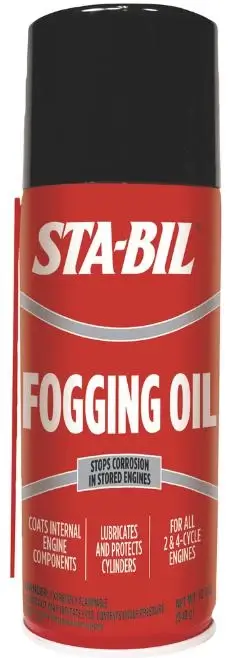 if you’re storing a vehicle for a year or more, fogging prevents cylinder corrosion.
Remove the spark plugs and fog each cylinder with an aerosol fogging product. Follow the directions on the can for the amount of spray for each cylinder.
After fogging, reinstall the spark plugs and torque them to spec.
NOTE: Most spark plug manufacturers apply an anti-seize nickel coating to the threads of their spark plugs to prevent them from seizing in the cylinder head. However, this coating is considered a one-time-use coating. If you remove and reinstall the plug, the factory anti-seize will be compromised. So, add a small amount of anti-seize to the threads and reduce the torque setting on your torque wrench by 20% to compensate for the anti-seize.
Step 6 — The battery won’t last through long-term car storage
Don’t leave your battery in the car for long-term storage
All batteries, even lead acid batteries self-discharge

Clore/Solar ProLogix PL2140 battery maintainer
over time. In addition to their self-discharge, if they stay connected to the vehicle’s cables, the current drawn from the computers will completely discharge your battery in just six weeks.
If you have access to electrical power in the storage unit, buy a battery maintainer and connect it to the battery. This will keep the battery fully charged while your vehicle is stored and prevent battery sulfation.
Whichever method you choose, clean the battery terminals and posts first so the battery maintainer can do its job properly
Step 7 — Deal with the gas
Fuel can be a problem for really long-term storage, even if it’s ethanol-free. For seasonal storage (six months or less) on a fuel-injected engine, you don’t have to drain the tank, and you don’t need to add a fuel stabilizer. Filling with non-ethanol fuel will help, but it is not required for short-term storage.
However, if you’re storing your car for long periods (over a year) it’s best to fill the tank all the way with fuel treated with fuel stabilizer. I prefer the K-100 stabilizer over other brands like Sta-bill. See this article to learn more about fuel stabilizers and how they work (or don’t work).
Keeping the tank full reduces the amount of water that enters the tank and also reduces the loss of the most volatile components.
Step 8 — What to do about your tires during long-term car storage
Tires can indeed develop flat spots when you store your car for an extended period. But unless you have performance tires, the flat spots usually roll right after driving for a few days. If you have performance tires or plan to store your vehicle for a year or more, it makes some sense to put the vehicle on jack stands during storage. But if you’re just doing season storage, you don’t need to put the vehicle on jack stands.
Whichever you choose, make sure you check the air pressure and adjust to the spec on the label in the driver’s door area. Some people recommend over-inflating during storage to allow for slight leakage. That’s fine as well.
If you remove the tires to store them, keep them in a cool place and out of the sun. Do not coat them with tire dressing.
Step 9 — Test/Flush your brake fluid before storing
Check your brake fluid with a moisture tester and test strips. If the fluid is borderline, flush the system so it sits with fresh fluid.
Step 10 — Test/Flush your coolant before storing your car long-term
Check your cooling for freeze protection and pH balance (with test strips) before storing your car. Change the coolant if it fails the tests.
Take a car out of long-term storage
You’ve read everything so far, right? Well, reverse it. Then do the following.
Performance tires develop permanent flat spots after long-term storage, so put the vehicle on jack stands. Normal street tires will also develop flat spots, but in most cases, they’ll go away after a short drive.
Lube rubber parts like control arm bushings and motor mounts with silicone spray to slow down the dry rot. Change the oil and brake fluid and put in fresh coolant—you’ll need the anti-corrosive additives in both to prevent corrosion. Clean the radiator fins. Stuff steel wool in the exhaust pipe and then seal off the throttle body and exhaust pipe with plastic wrap and rubber bands (to keep the critters out. Tie brightly colored surveyors’ tape on each and stream the tape out of the hood so you’ll remember to remove them before starting. Some guys remove the brake pads and seal them in a zip lock bag. Then they remove the rotors and store them in plastic bags with anti-rust packets. If you can’t do that, at least coat them with oil to prevent rust.
There you have it—the best way to store a car long-term and take it out of storage
© 2012 Rick Muscoplat
Posted on by Rick Muscoplat